 share
On November 14, 2026, a series of international meetings and thematic events took place at Kazakhstan’s National Pavilion on the sidelines of the 31st Conference of the Parties to the United Nations Framework Convention on Climate Change (COP31) in Antalya, Türkiye, with the participation of the Minister of Ecology and Natural Resources of the Republic of Kazakhstan, Alibek Kuantyrov.
The day's agenda focused on mobilizing climate finance, developing investment mechanisms, and promoting innovative green technologies in Central Asia.
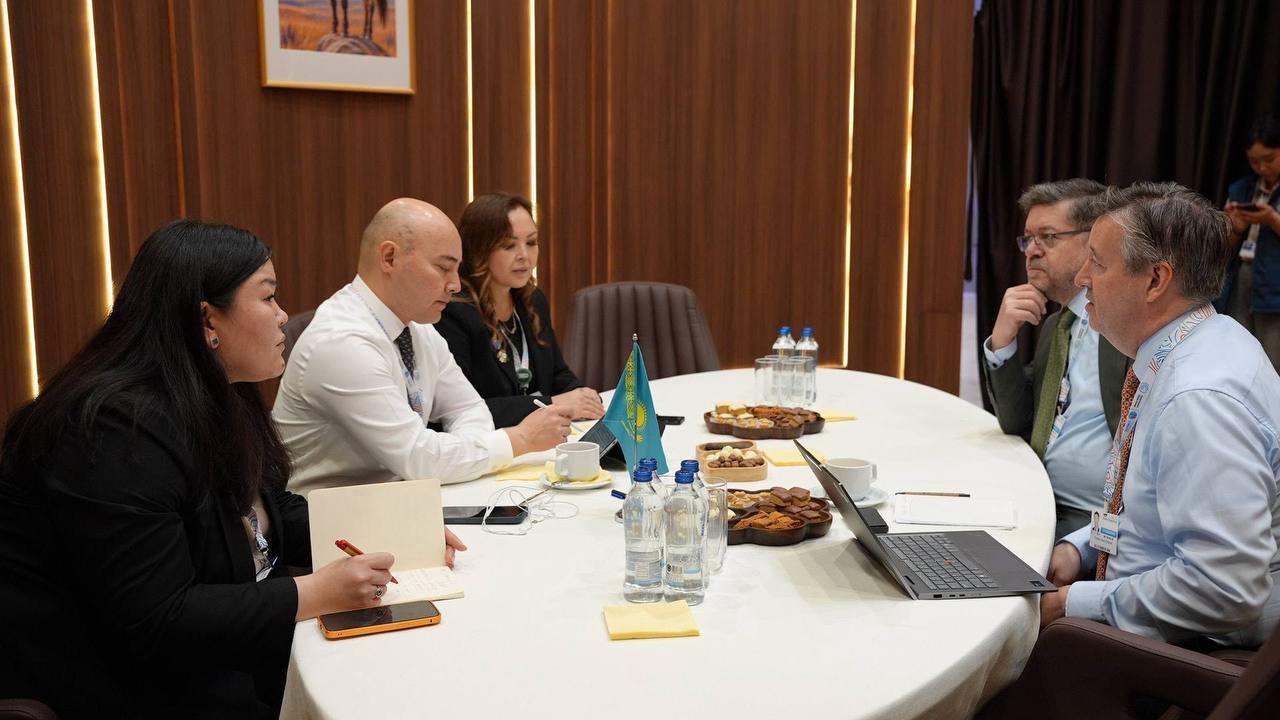
One of the key topics was expanding cooperation with the Green Climate Fund (GCF). During a meeting with T. Eriksson, the Fund’s Regional Director for Eastern Europe, Central Asia and the Middle East, Minister Kuantyrov discussed the transition from institutional support to the practical implementation of climate investment projects.
Particular attention was paid to the launch of Kazakhstan’s National Climate Investment Platform (Country Platform) under the Readiness 3.0 programme. The project documentation has already been signed, with USD 1.3 million allocated for the first phase of support. The platform aims to bring together government agencies, financial institutions and investors to prepare and implement climate change mitigation and adaptation projects.
The discussions also addressed opportunities for the Development Bank of Kazakhstan, which received GCF accreditation in 2025, to participate in climate projects, as well as the development of regional initiatives for transboundary water resources management.
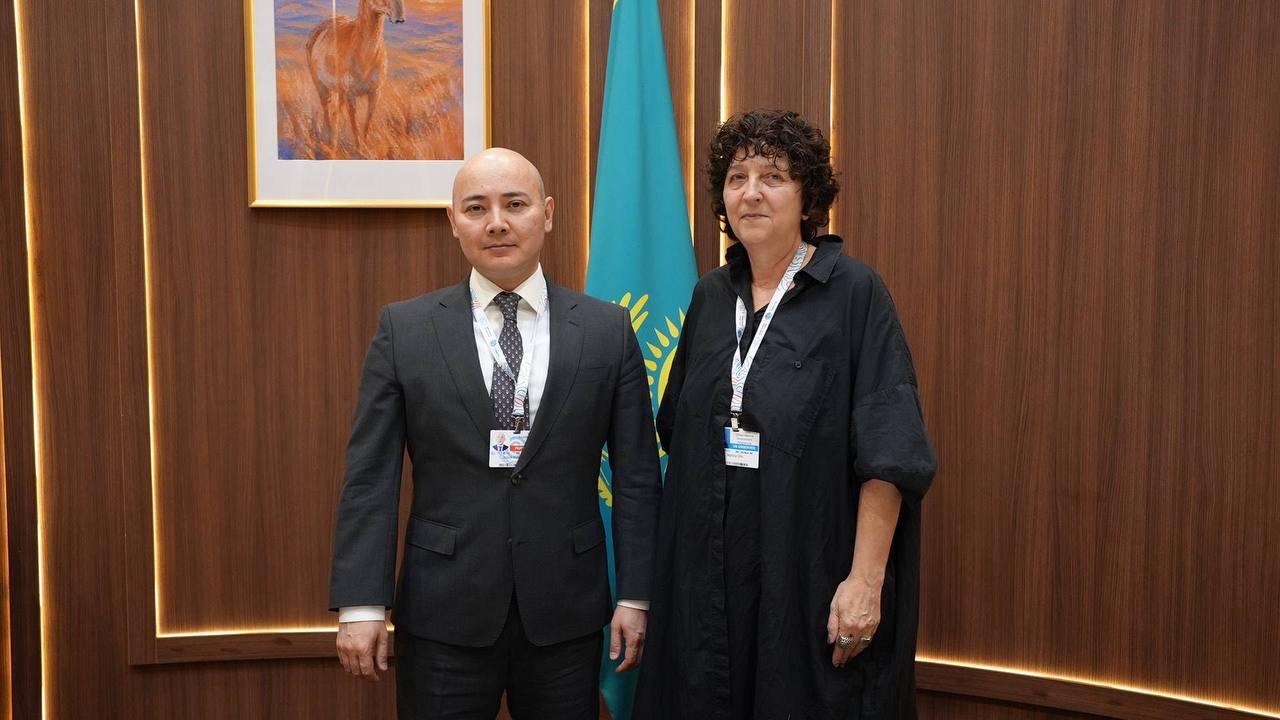
Another initiative proposed by Kazakhstan was to host the annual meeting of the Climate and Clean Air Coalition (CCAC) in Astana in 2027. Minister Kuantyrov presented this proposal during a meeting with Martina Otto, Head of the Coalition’s Secretariat.
The Kazakh side proposed including a regional dialogue on methane emissions reduction in the event's programme, along with meetings with potential partners to develop joint projects. Hosting the meeting in Astana would provide a platform for consolidating the efforts of Central Asian countries, international organizations, investors and technology companies.
The negotiations also reviewed the results of the first year of implementation of the CCAC Country Programme for Kazakhstan, which provides for up to USD 4 million in support over three years. Priority areas include reducing methane emissions in the agricultural, oil and gas, and coal sectors, as well as developing landfill gas capture projects.
The parties paid particular attention to practical solutions, including the introduction of biogas facilities, the utilization of coal mine methane for electricity generation, and the mobilization of concessional financing. Kazakhstan expressed its interest in expanding cooperation with international investors and technology providers to implement these projects.
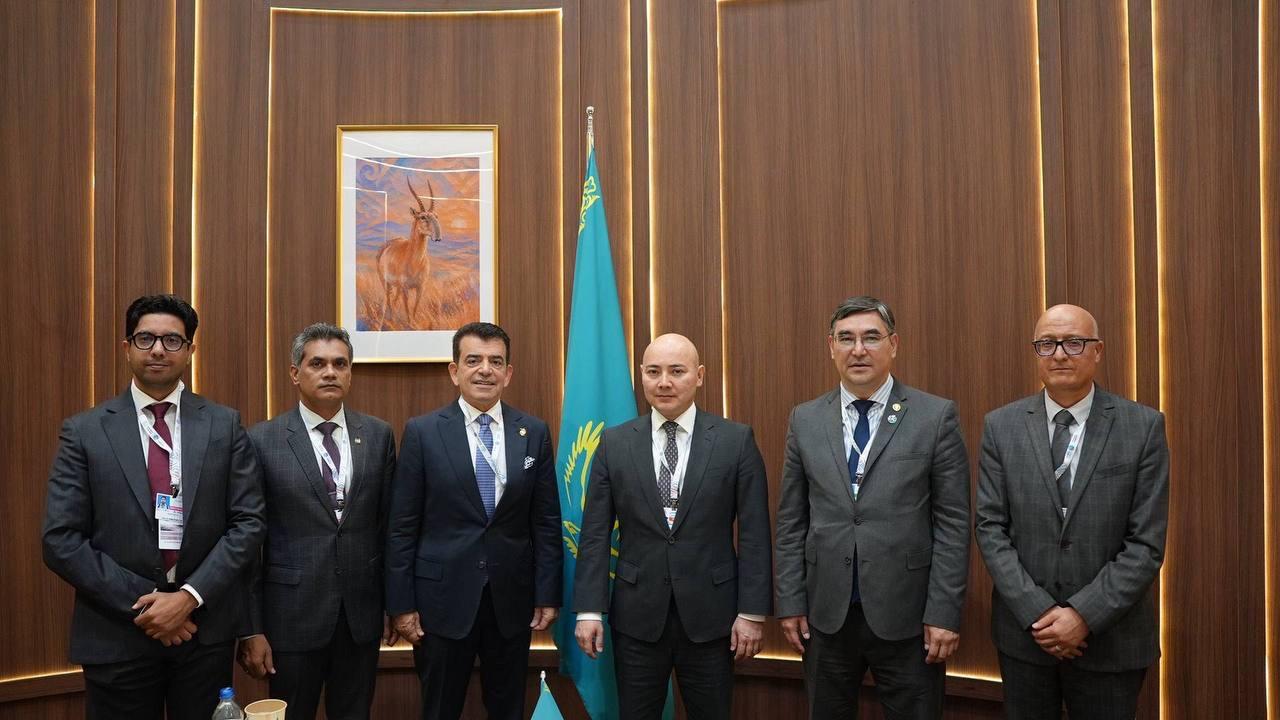
Environmental education and the promotion of environmental awareness were the central topics of the Minister’s meeting with Salim bin Mohammed AlMalik, Director-General of the Islamic World Educational, Scientific and Cultural Organization (ICESCO).
Minister Kuantyrov presented the key priorities of the nationwide Taza Kazakhstan (Clean Kazakhstan) initiative launched by the President of the Republic of Kazakhstan, which aims to foster environmental awareness and strengthen citizens’ personal responsibility for the state of the environment.
The parties discussed prospects for cooperation in environmental education, professional training, the exchange of scientific expertise and support for youth initiatives.
Another important event of the day was the international session entitled “Global Cleantech Innovation Programme: From National Success to Regional Climate Impact.” The event brought together representatives of Central Asian countries, the United Nations Industrial Development Organization (UNIDO), the Global Environment Facility (GEF) and the expert community.
Speaking at the opening of the session, the Minister presented the results of the Global Cleantech Innovation Programme (GCIP), which has been implemented in Kazakhstan since 2023 with the support of international partners. Over three programme cycles, approximately 100 startups developing solutions in water technologies, digital environmental monitoring and industrial waste recycling have received support.
The session also featured the presentation of the Central Asian Green Acceleration Platform concept. The initiative aims to bring together startups, research institutions, industrial enterprises and investors to facilitate the adoption of promising environmental technologies and their expansion into regional markets.
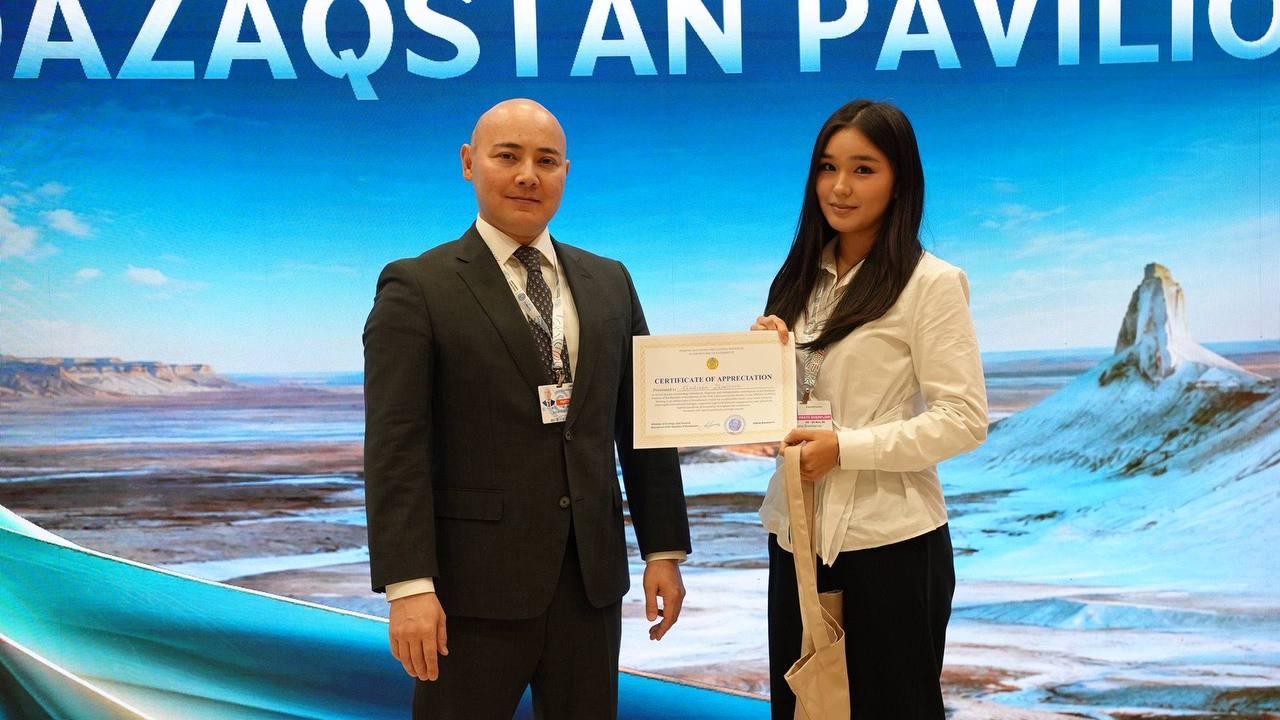
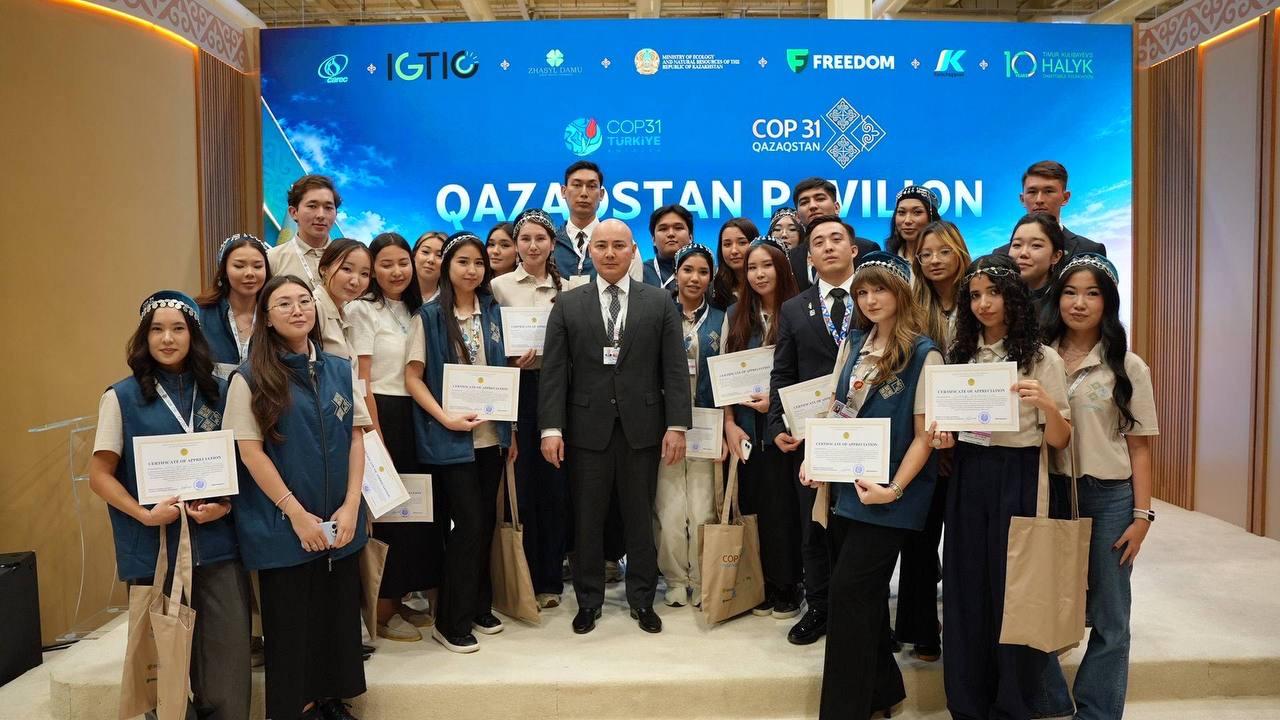
In addition, an award ceremony was held at Kazakhstan’s National Pavilion to recognize volunteers who contributed to the organization and successful implementation of the events.
 EcoQolday
 Check payment
 Login to the system
