Расширенная ответственность производителя
80-х гг. годах XX века концепция организации экономического сотрудничества и развития ОЭСР «загрязнитель платит» была расширена до ответственности производителя за произведенную им продукцию на протяжении всего жизненного цикла, включая и стадию его конечной утилизации.
Cтратегия в области охраны окружающей среды, направленная на снижение негативного воздействия на экологию, оказываемого продукцией на протяжении всего жизненного цикла путем возложения ответственности за ущерб, наносимый продукцией и, особенно, обязанности по сбору, переработке и окончательной утилизации продукта на ее производителя или импортера.
Позднее принцип был внедрен на уровне ЕС, он используется в большинстве стран мира.
Идея
Стратегия управления, которая уже на этапе производства продукции побуждает производителей учитывать экологические последствия.
Цели
Сократить образование отходов и повысить степень использования (переработки) продукции за счет:

Системы:
01. Индивидуальная ответственность производителя: производитель сам организует сбор и переработку использованной продукции.
02. Коллективная ответственность производителя: Правительством утверждается либо производители образуют объединение, организующее сбор и обработку использованной продукции на средства членских взносов.
Товары
(как правило, в большинстве стран)
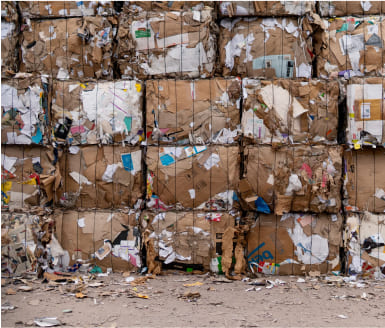
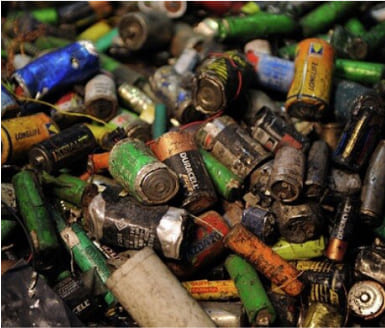
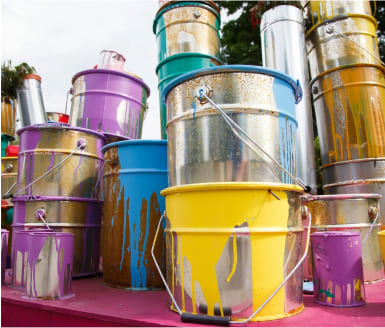
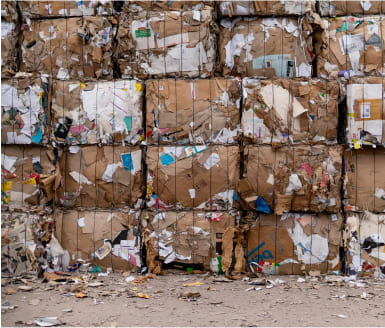
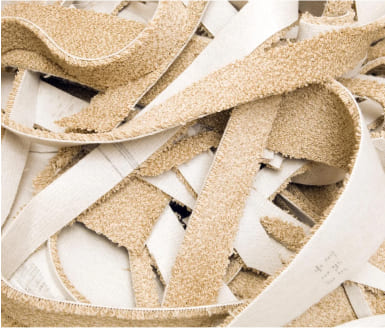
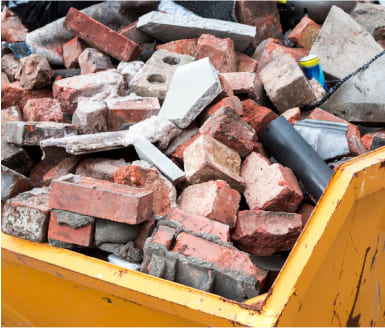
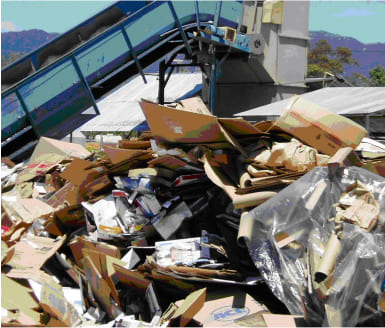
Типы
(как правило, в большинстве стран)
Обязательная
Добровольная
Табл. 1. Механизмы
| Механизмы | Стимулирующие сбор и повторное использование | Стимулирующие вторичную переработку |
| Цель |
✓ Обеспечить количество и качество входящего потока ✓ Собирать больше |
✓ Обеспечить вовлечение вторичных ресурсов в оборот ✓ Перерабатывать лучше |
| Способы |
✓ Обязательный возврат использованной продукции: электрическое и электронное оборудование, транспортные средства ✓ Залогово-возвратная система: тара при покупке напитков |
✓ Экологический сбор с производителей опасных и сложных в переработке товаров: жевательная резинка, сигареты, подгузники |
| Задачи |
✓ Обеспечить поток отходов на переработку (высокий по качеству, достаточный по количеству) ✓ Поддержать переработчика (рентабельность переработки и спрос на вторичную продукцию) |
|
| Решения |
✓ Широкая сеть пунктов сбора ✓ Просвещение населения (что и куда сдавать) ✓ Доступ переработчика к потоку отходов ✓ Экономическая поддержка переработчика (на первом этапе) ✓ Стимулирование спроса на втор. продукцию |
|
Табл. 2. Участники
| Участник | Роль |
| Потребитель |
✓ сортировка и возврат использованных товаров / вторичных материалов |
| Производитель (переработчик) |
✓ добросовестно исполняет обязательства по переработке самостоятельно или через коллективные системы использует систему маркировки упаковки для обеспечения раздельного сбора в источнике образования отходов |
| Оператор |
✓ ведет учет объемов продаж и импорта и определяет план выполнения обязательств производителя ✓ ведет отчетность от имени производителя ✓ организует сбор, обработку и утилизацию использованных товаров через заключение договоров с перерабатывающими предприятиями ✓ ведет администрирование операций, связанных с реализацией, в т.ч. уплату утилизационных сборов |
| Местная власть |
✓ обеспечивает инфраструктуру раздельного сбора по товарам, на которые распространяется |
| Государство |
✓ законотворческая деятельность и надзор ✓ определяет перечень товаров ✓ утверждает нормы утилизации по каждому товару |
Табл. 3. Схемы реализации
| Схема 1 | Схема 4 |
|
✓ Ответственный за сбор и переработку ✓ Все производители и импортеры уплачивают взносы Индивидуальная ответственность возможна, но без зачета исполненных обязательств (размер взноса не меняется) |
✓ То же что Схема 1 Индивидуальная ответственность возможна с зачетом исполненных обязательств (размер взноса уменьшается) |
| Схема 3 | Схема 4 |
|
✓ Число не ограничено ✓ Зоны ответственности распределяет муниципалитет или федеральный орган ✓ Все производители действуют через объединения Индивидуальная ответственность возможна, но без зачета исполненных обязательств (размер взноса не меняется) |
✓ То же что Схема 3 Индивидуальная ответственность возможна с зачетом исполненных обязательств (размер взноса уменьшается) |
Типы финансовой ответственности
Cуществует большое разнообразие схем, среди которых можно выделить следующие:
«Простая» финансовая ответственность: производители не имеют каких-либо обязательств, кроме как финансировать существующие каналы управления отходами (например, через чеки за переработку упаковки/ Packaging Recovery Notes в Великобритании). У этой модели есть несколько других стимулов для улучшения управления отходами, помимо финансового стимулирования (рисунок).
Финансовая ответственность по договорам с муниципалитетами: производители устанавливают контракты с муниципалитетами для сбора и обработки отходов (например, упаковки во Франции). Мотивация производителей для улучшения управления отходами зависит от вида договора. Финансовый взнос производителей обусловлен результатами достигнутых всеми предприятиями муниципалитета по сбору и/или скорости вторичной переработки.
Финансовая ответственность и частичная организационная ответственность: Некоторые виды деятельности находятся в ведении муниципальных образований (например, сбор осуществляется операторами сбора бытового мусора или по контракту частным компаниям), при финансовой поддержке от производителей, в то время как другие виды деятельности (например, сортировка, извлекаемых материалов для перепродажи ) находятся под ответственностью производителей (например, упаковка в Бельгии).
Финансовая ответственность и полную организационную: производители используют профессиональных субподрядчиков по сбору и обработке отходов (например, электронные и электрические отходы во Франции) или имеют собственную часть инфраструктуры для сбора и обработки (например, отходы упаковки в Германии)
Принципы реализации:
Принципы реализации:
1.Поэтапное расширение перечня товаров;
2.Средства взносов идут переработчику\сборщику на цели утилизации;
3.Установление размера взноса пропорционально:
-доле рынка выпущенной продукции;
-количеству или массе вышедшей из употребления продукции или массе упаковки;
Постоянный мониторинг системы и обновление законодательства;
Результаты отсутствия:
Законодательная база для внедрения Расширенной ответственности производителей на уровне ЕС представлена как общим законодательством об управлении отходами
требования которых были впоследствии включены в соответствующее национальное законодательство стран-членов ЕС. В последних трех директивах содержатся непосредственные требования и рекомендации о создании в странах-членах систем в отношении товаров, о которых идет речь в этих директивах. Хотя директива 2004/12/ЕС не предусматривается обязательство создания в отношении упаковки, большинство стран-членов выбрали этот вариант.
Табл. 4. Календарь реализациив некоторых странах
| Европа |
1991 Батарейки и аккумуляторы, 1994 Упаковка, 2000 Транспортные средства, 2002 Электротехнические и электронные приборы (ЭЭ приборы), 2006 Батарейки и аккумуляторы (обновления), 2012 ЭЭ приборы (обновления) |
|
Корея |
2003 Тара и упаковка, шины, масла, батарейки, электронные приборы, лампы, 2005 Строительные отходы, пищевые отходы |
| Япония |
2000 Тара и упаковка, 2001 Крупная бытовая техника, 2001 Пищевые отходы, 2002 Строительные отходы, 2005 Транспортные средства, 2012 Малая бытовая техника |
| Китай |
1989 Цементные мешки, 1997 Батарейки, продукты содержащие ртуть, 2002 Упаковка, 2001 Транспортные средства, 2009 ЭЭ приборы |

 EcoQolday
 ПРОВЕРИТЬ ОПЛАТУ
 вход в систему
