 share
share
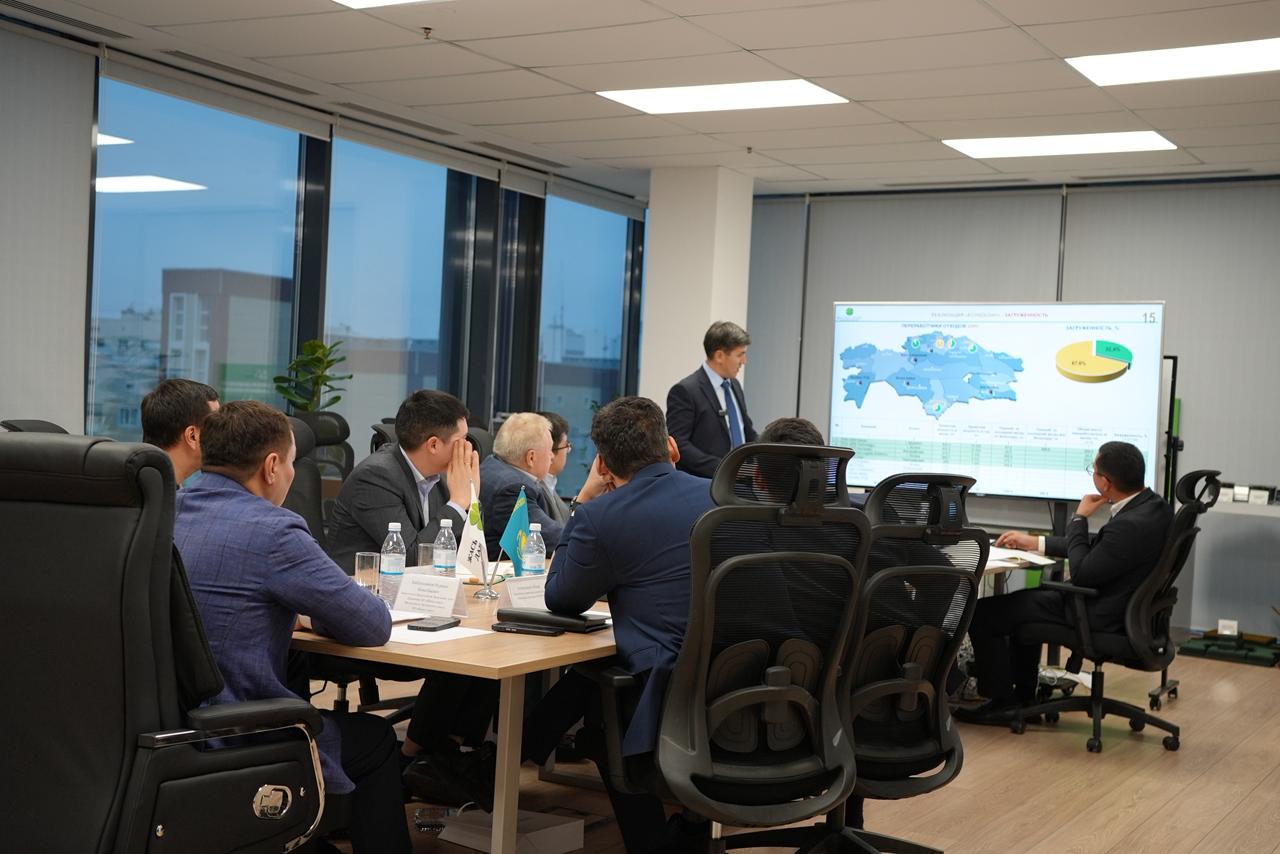
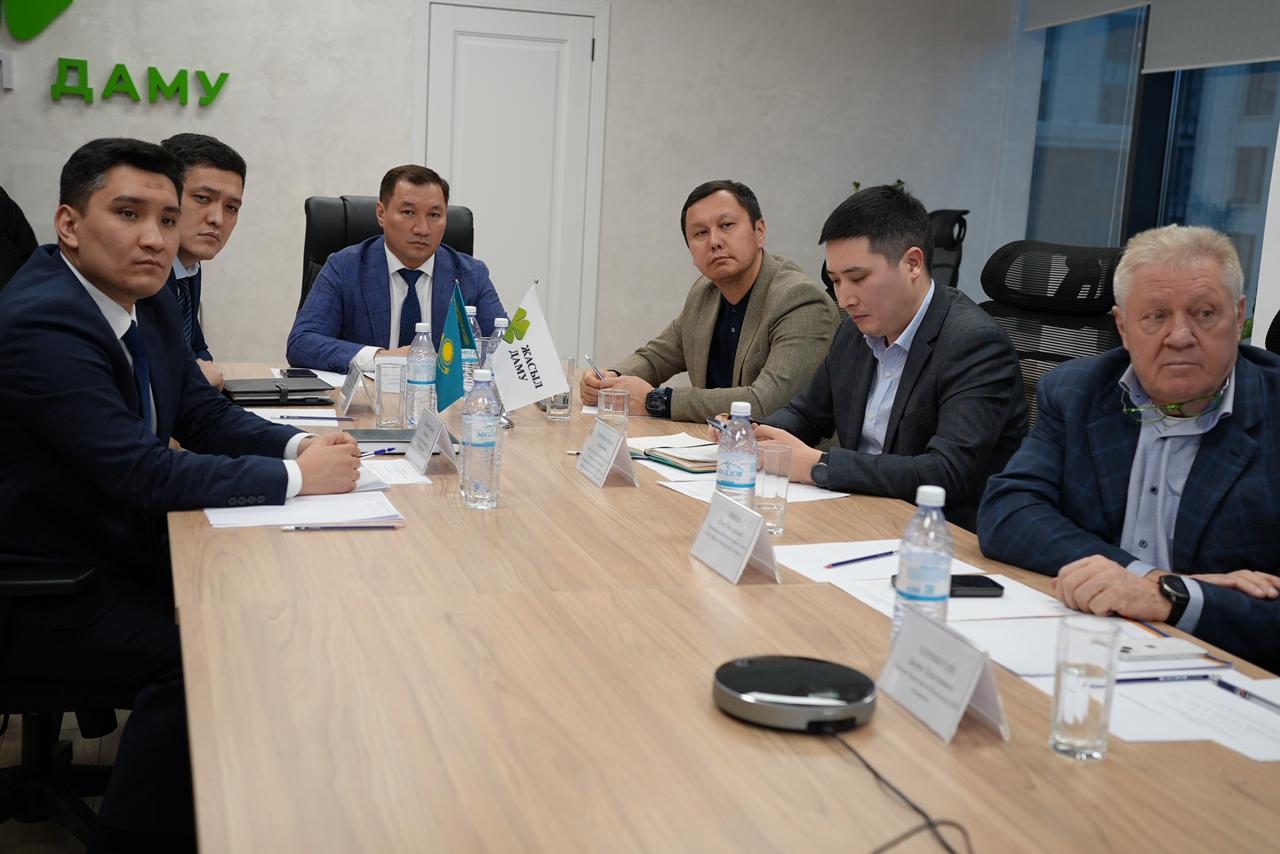
On December 5, 2025, a meeting of the Expert Council of JSC “Zhasyl Damu” was held in Astana to discuss current issues in the field of waste management. The meeting was chaired by the Deputy Chairman of the Management Board, Nurzhan Kenesbaevich Kabdoldanov, and brought together leading representatives of the sector.
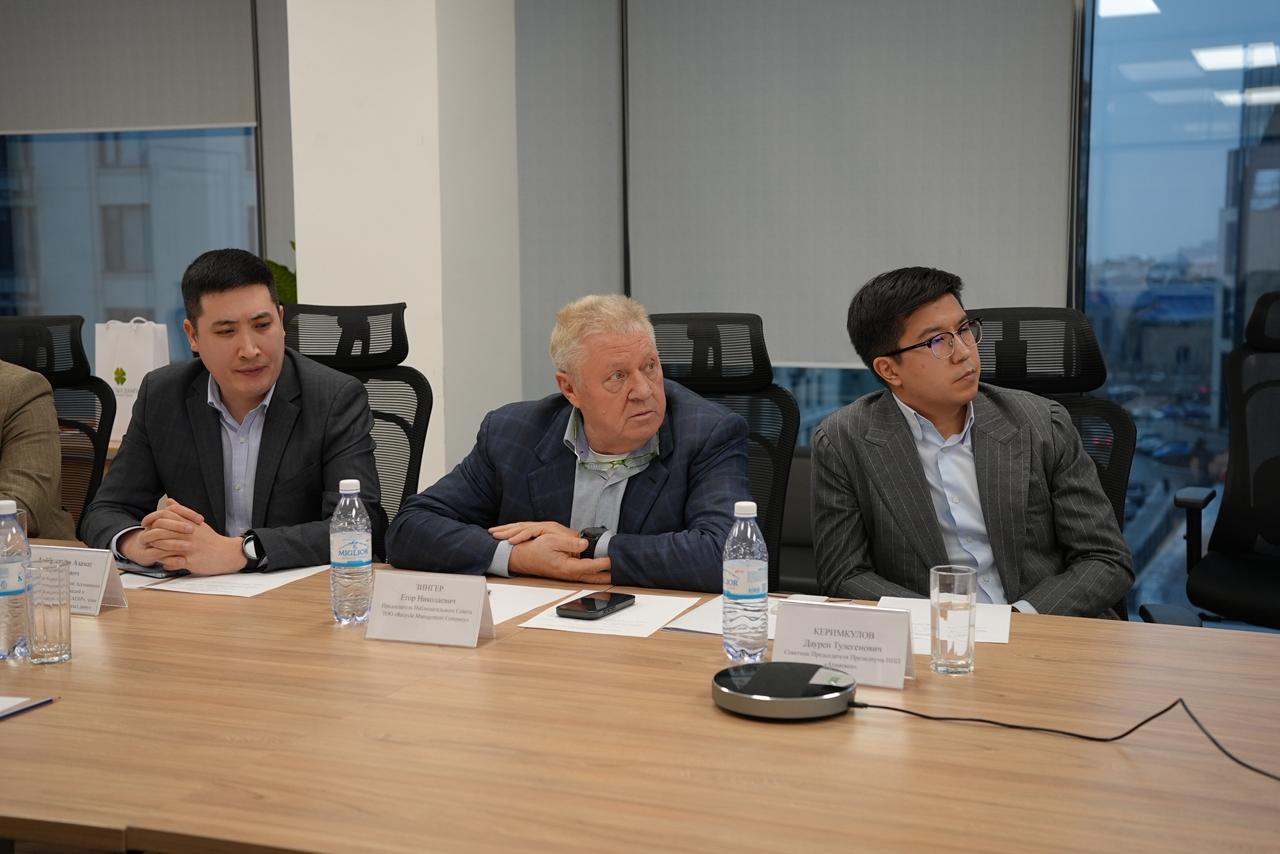
The meeting was attended by Deputy Director of the Waste Management Department of the Ministry of Ecology and Natural Resources of the Republic of Kazakhstan, Abylai Askarovich Almukhanov; Chairman of the Kazakhstan Association of Environmental Innovations and Industrial Policy (KAEIIP), Azamat Auykhanovich Ayaibergenov; Chairman of the Board of the Association of Secondary Raw Material Recyclers of Kazakhstan, Batyrbek Temirtasovich Aubakirov; expert of the Housing Relations and Technical Regulation Department of JSC “Kazakhstan Center for Modernization and Development of Housing and Communal Services”, Askar Gabdrakhimovich Kaminov; as well as other representatives of relevant organizations.
Three strategically important issues were considered during the meeting: the implementation of the EcoQolday program; the involvement of condominium management bodies (KSK) and associations of property owners (OSI) in waste collection as entrepreneurial entities within the EcoQolday information system; and the discussion of the draft Concept for the Management of All Types of Waste for 2026–2030.
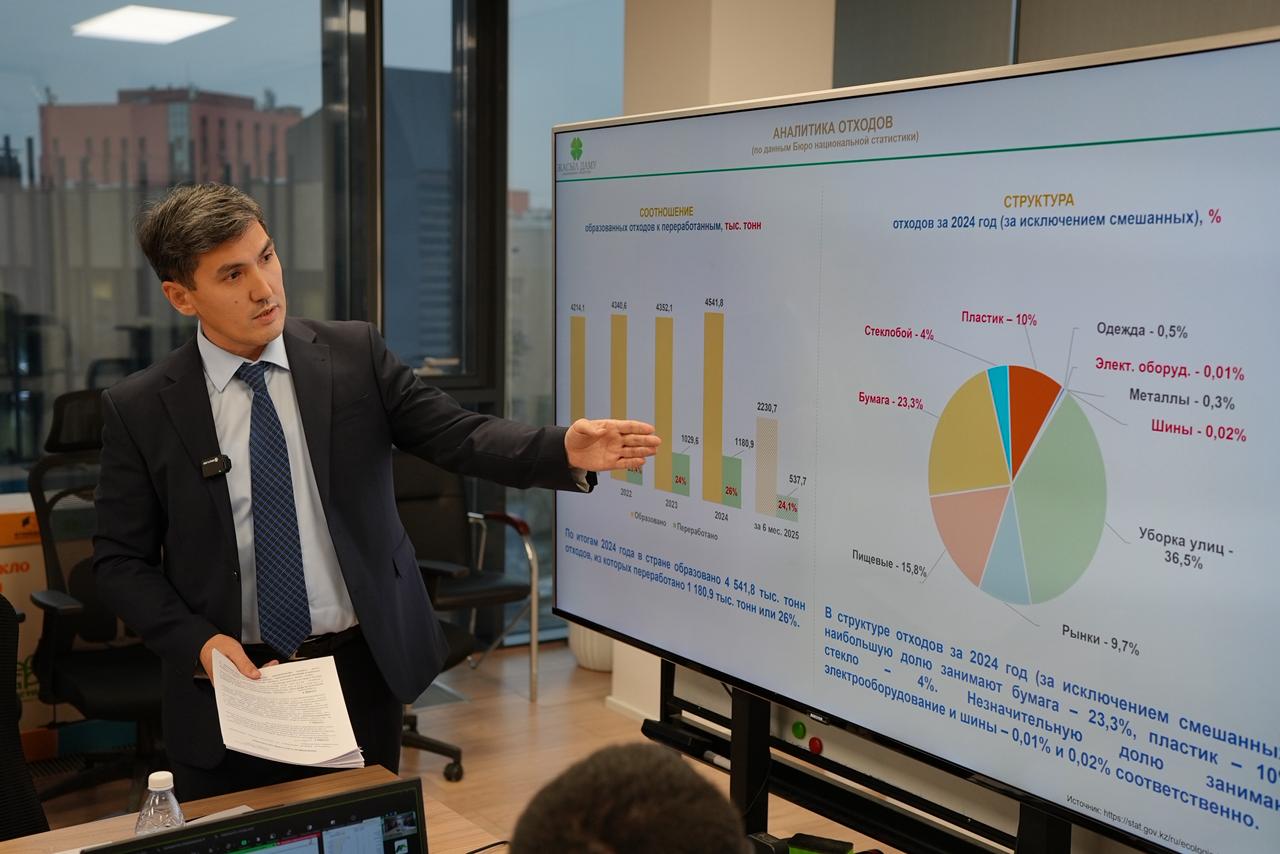
Up-to-date data on the state of the sector was presented. Kazakhstan generates about 4.5 million tons of municipal solid waste annually, with the recycling rate remaining at 25–26 percent. Up to 30 percent of waste is lost outside official reporting, and only 10 percent of enterprises submit reports electronically. Food waste accounts for up to 40 percent of total MSW, yet the necessary processing infrastructure is practically absent.
The industrial sector, in turn, generates hundreds of millions of tons of technogenic mineral formations each year, which continue to accumulate at storage sites and pose significant environmental risks. Despite existing legal prohibitions, construction waste continues to end up in landfills, contributing to the growth of unauthorized dumps.
The presented draft Concept proposes a large-scale transformation of the sector: the introduction of digital tools and reliable accounting, the legalization of accumulated waste, the unification of the regulatory framework, the development of economic incentives, and the creation of modern recycling infrastructure.
“We stand on the threshold of a large-scale transition to a circular economy. Waste management must become transparent, technology-driven, and economically attractive. The Expert Council will serve as a key platform for developing solutions necessary to ensure the country’s environmental safety,” noted Nurzhan Kabdoldanov, Deputy Chairman of the Management Board of JSC “Zhasyl Damu,” in his welcoming remarks.
The establishment of the Expert Council and the presentation of the key directions of the Waste Management Concept reflect the country’s strategic course toward strengthening environmental safety and promoting a culture of responsible environmental stewardship. Central focus is placed on developing recycling infrastructure, increasing business participation, reducing the load on landfills, and fostering environmentally responsible behaviour among the population.
Particular attention was given to the initiative to grant JSC “Zhasyl Damu” the status of the National Waste Management Centre — a unified analytical and digital hub for the sector that will provide comprehensive coordination of market participants and transparency in waste management.
JSC “Zhasyl Damu” intends to continue systematic work to create a modern, sustainable, and efficient waste management system. The Expert Council will serve as a permanent mechanism for expert support aimed at achieving environmental goals and developing the sector in line with national priorities.
 EcoQolday
 Check payment
 Login to the system
