 share
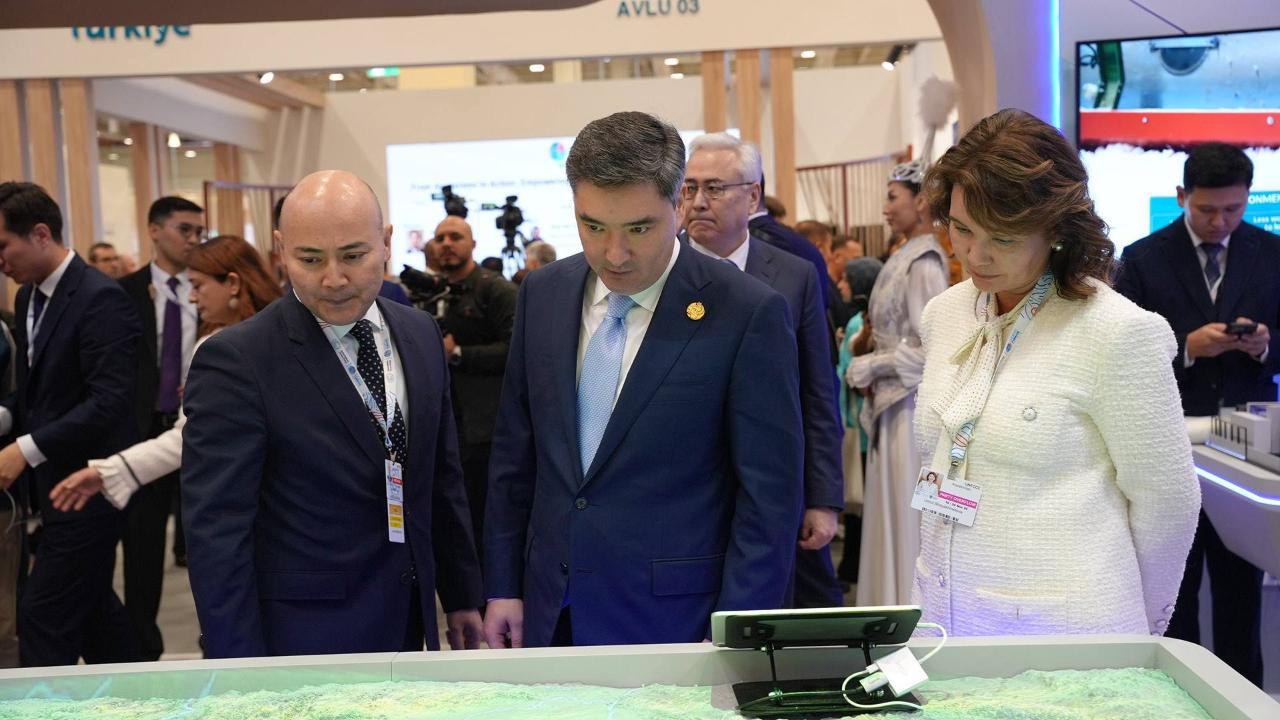
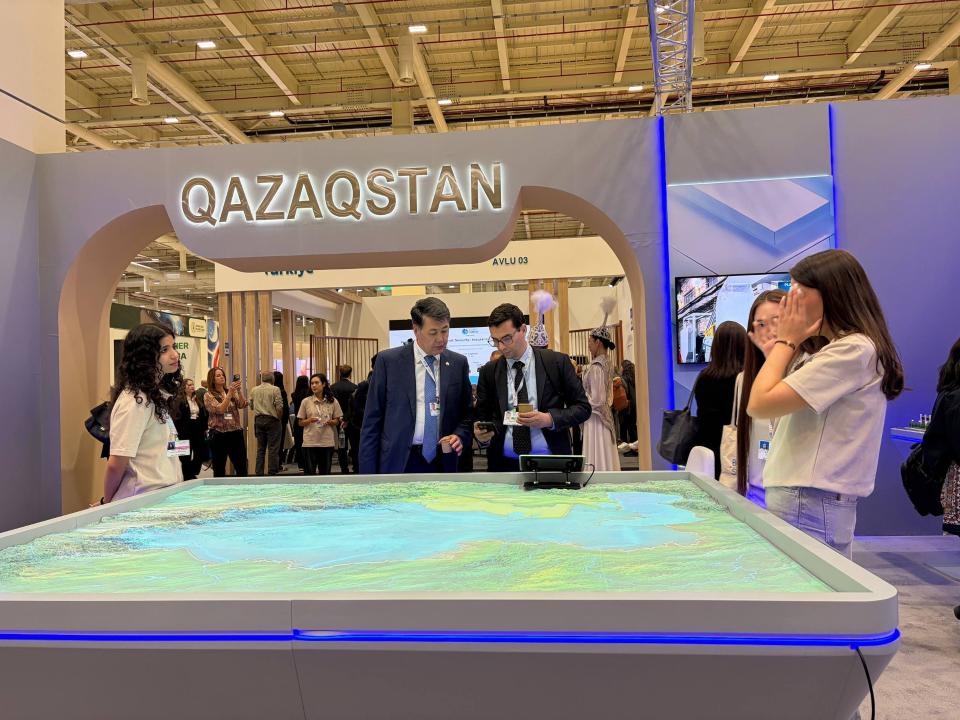
On 11 November, the National Pavilion of Kazakhstan at the 31st United Nations Climate Change Conference (COP31) in Antalya hosted a full programme of events dedicated to advancing international climate cooperation. Highlights included the signing of five agreements and four memoranda, alongside panel discussions on the circular economy, climate finance and the adoption of green technologies.
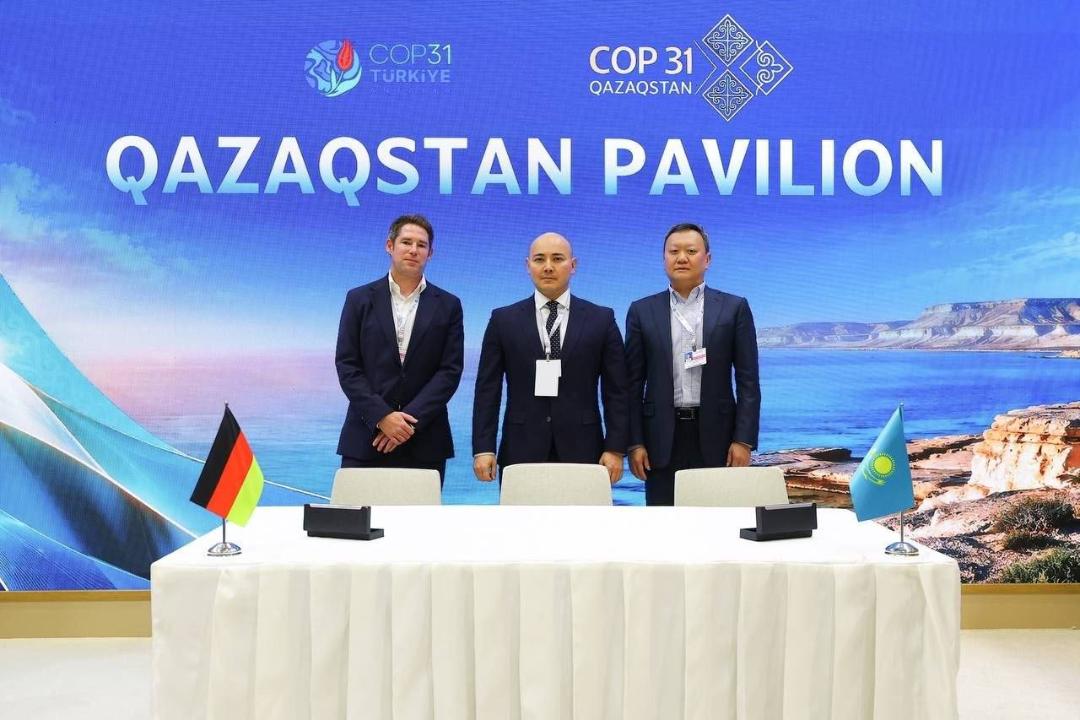
The central event of the day was the signing of two framework agreements with the participation of Alibek Kuantyrov, Minister of Ecology and Natural Resources of the Republic of Kazakhstan.
The first agreement, with VEMA S.A. and Carbon Bridge Central Asia Ltd., provides for the implementation of projects to detect and repair methane leaks in QazaqGaz Aimaq’s gas networks. The second document, signed with SAFC LLP and SEFE Marketing & Trading Ltd., focuses on afforestation and the restoration of degraded land in Almaty Region. Both projects aim to strengthen international cooperation under Article 6 of the Paris Agreement.
Three additional agreements were signed on the same day, covering the construction of wind power plants with capacities of 150 MW in Turkestan Region and 1 GW in Kostanay Region, as well as the implementation of the Aqyl Energy project. The latter provides for the installation of 1.35 million smart gas meters and the creation of a unified digital natural gas metering system.
Another significant outcome was the signing of four memoranda of cooperation between Zhasyl Damu JSC and the companies ARM, PUZER, NULOOP and LoopEnerGren Capital. The documents were signed on behalf of Zhasyl Damu JSC by Yerzhan Sarsenbay, Chairman of the Management Board. The memoranda aim to advance cooperation in waste sorting and recycling, the introduction of modern waste collection systems, lithium-ion battery recycling and renewable energy development.
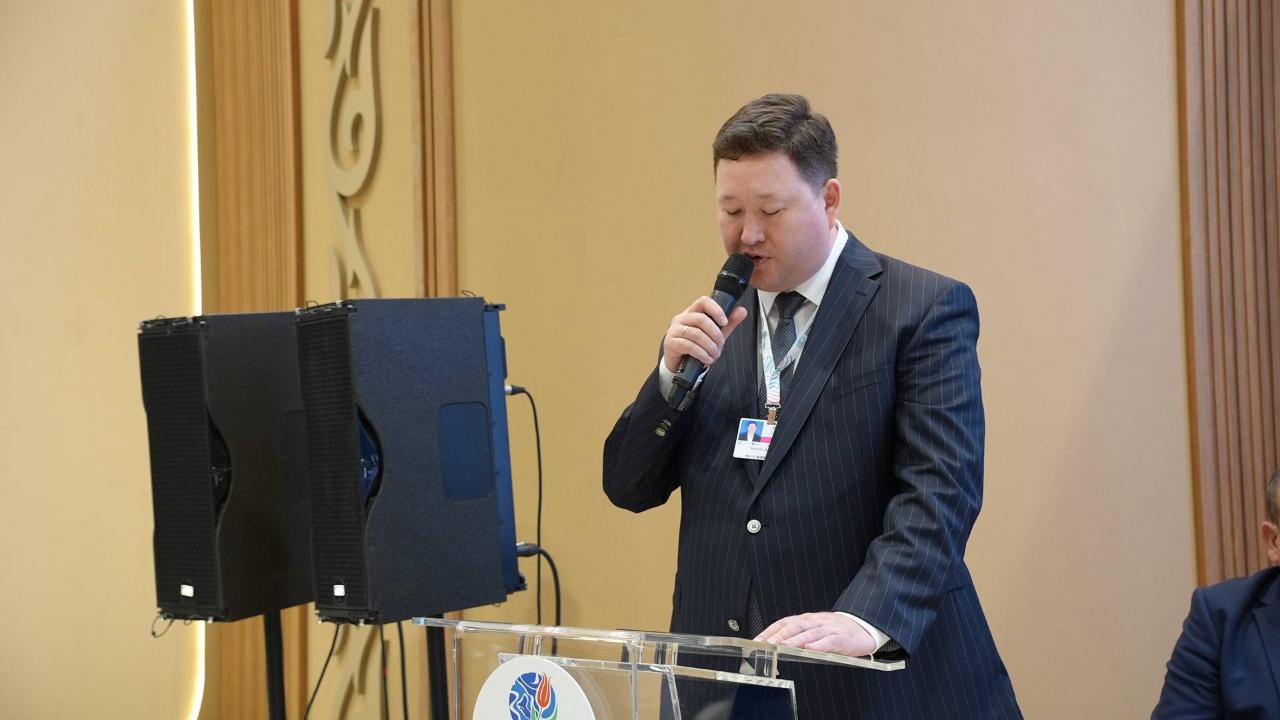
The pavilion’s business programme also featured thematic panel discussions. During the session “From Commitments to Implementation: A Partnership Framework for the Circular Economy in Central Asia,” Yerzhan Sarsenbay, Chairman of the Management Board of Zhasyl Damu JSC, presented Kazakhstan’s plans to digitalise its waste management system, develop the recycling industry and attract investment. The discussion brought together representatives of government agencies, international organisations, Central Asian countries and Japan, as well as experts.
During the session “Turkic Women Entrepreneurs: Climate Finance for the Real Economy,” participants discussed access to climate investment and ways to expand opportunities for women entrepreneurs.
Another platform for exchanging experience was the panel discussion “Cities’ Experience in Adopting Green Technologies, Developing Sustainable Infrastructure and Attracting Investment.” Participants included Anacláudia Rossbach, Executive Director of UN-Habitat; Nuralkhan Kusherov, Governor of Turkestan Region; Nuriddin Amankul, Deputy Governor of Kyzylorda Region; and representatives of the Astana Urban Studies Centre. The session was moderated by Erfan Ali, Director of UN-Habitat’s Regional Office for Eastern Europe and Central Asia. The discussion focused on practical solutions for developing environmentally sustainable cities and attracting investment in urban infrastructure.
The day’s outcomes demonstrated the practical focus of the Kazakhstan Pavilion’s work at COP31. The agreements signed, new partnerships and exchange of international experience create additional opportunities to implement climate projects, develop the green economy and attract investment to Kazakhstan.

 EcoQolday
 Check payment
 Login to the system
