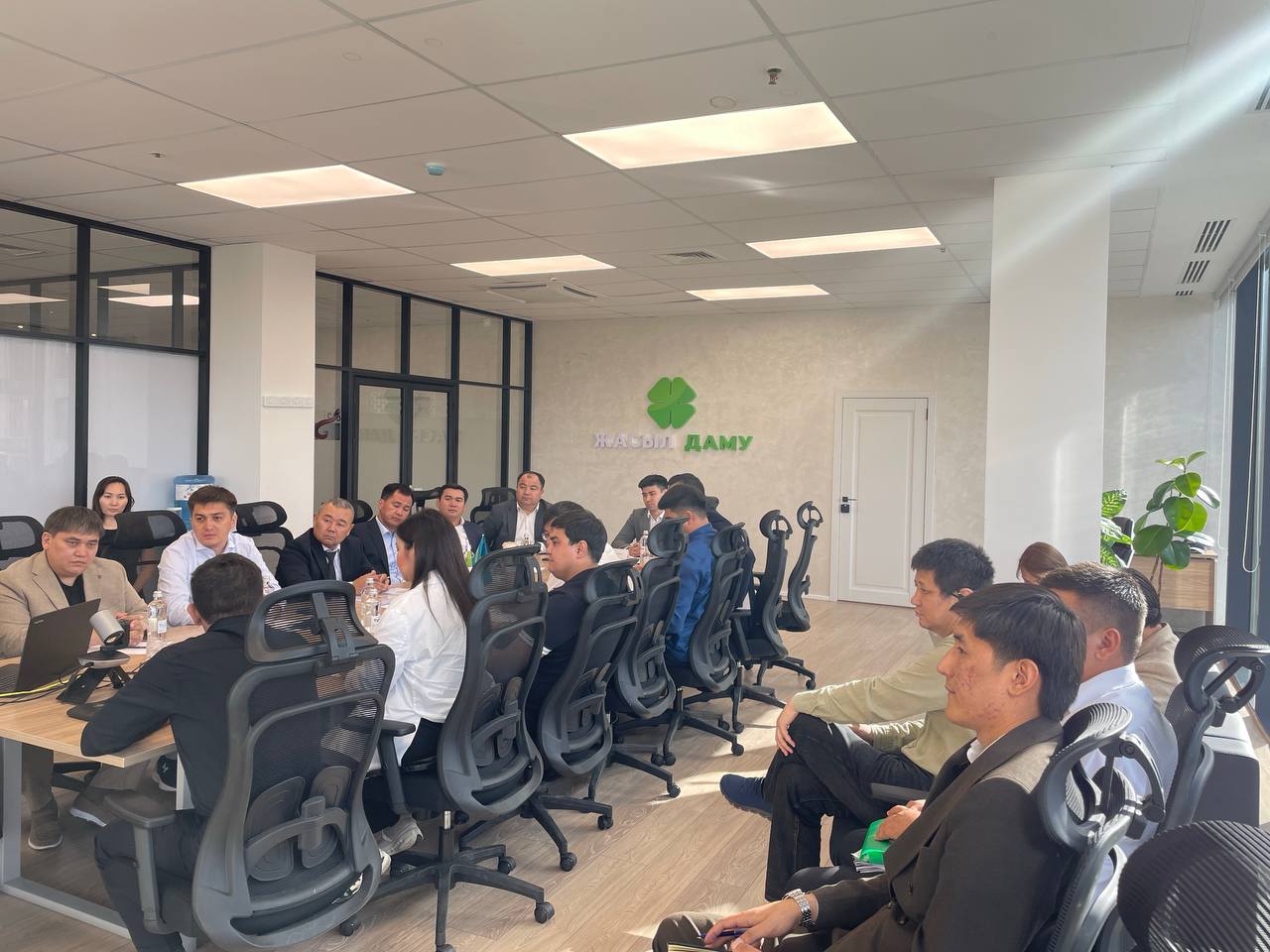
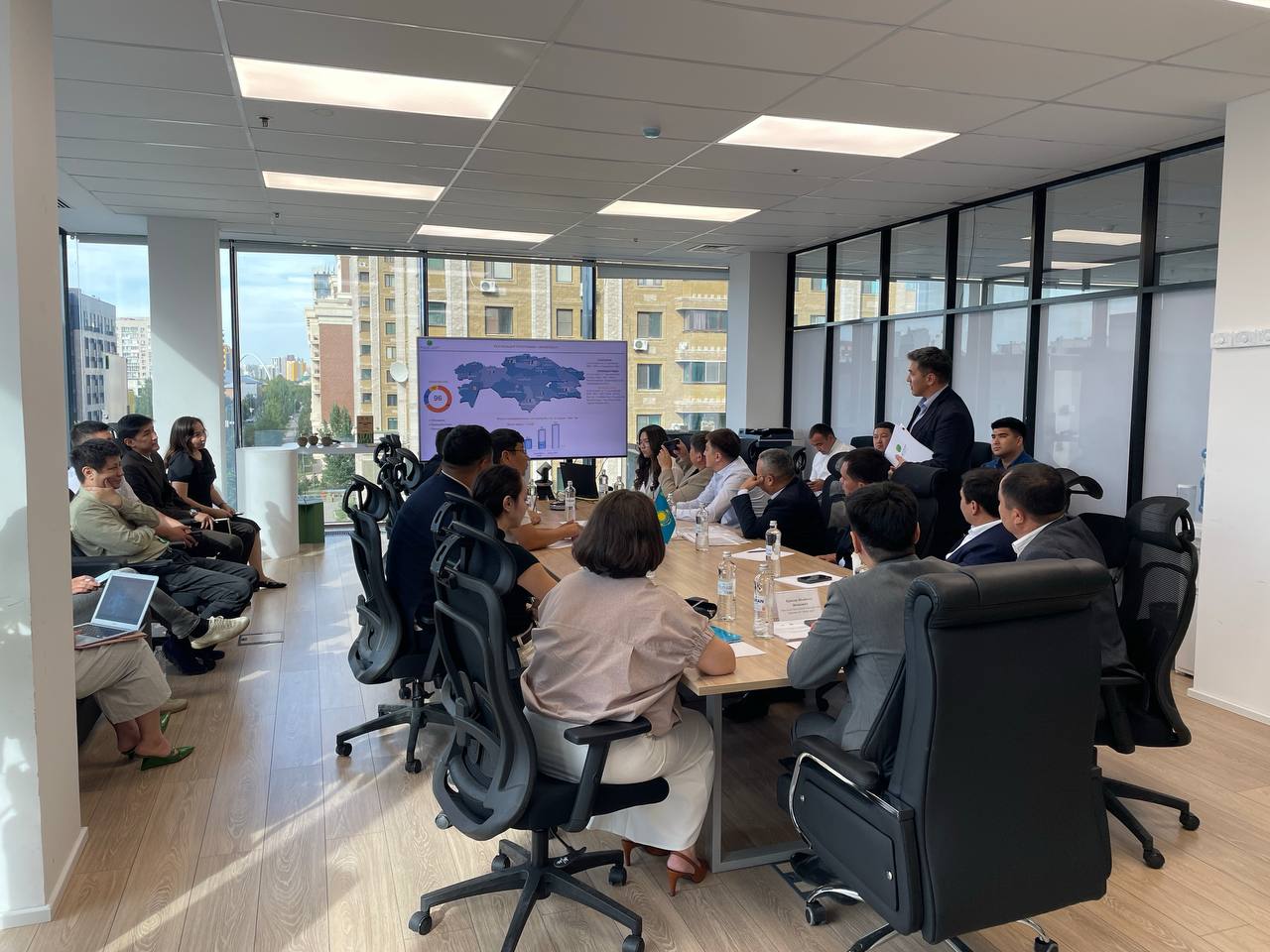
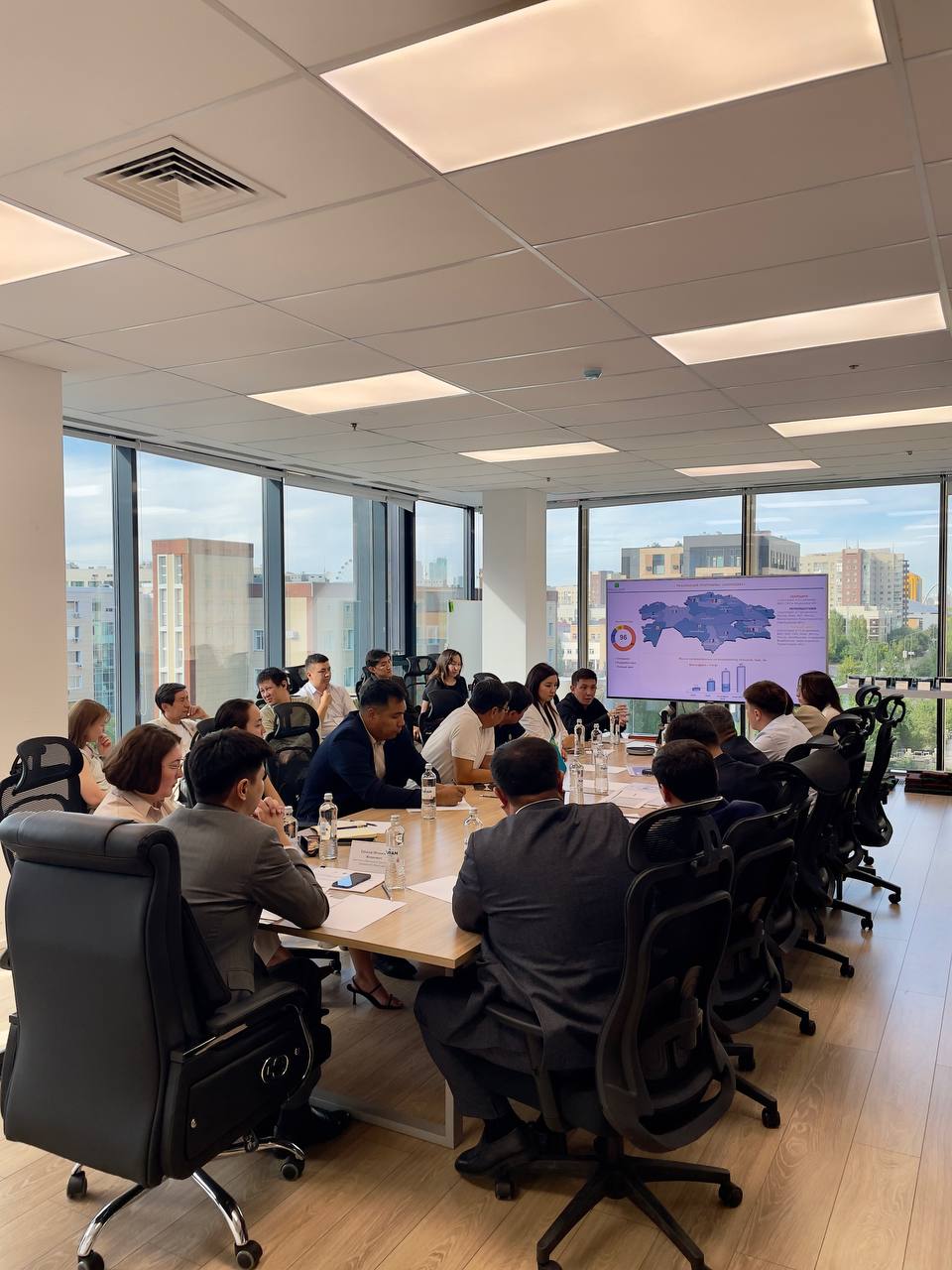
JSC Zhasyl Damu held a working meeting to discuss the implementation of municipal waste management programs at the district level, taking into account regional specificities. The discussion was attended by representatives of the Ministry of Ecology and Natural Resources of the Republic of Kazakhstan, the Akimat of Mangystau Region, the Akimat of Baiterek District of West Kazakhstan Region, and industry organizations. The meeting was held as part of the implementation of the Concept for the Management of All Types of Waste in the Republic of Kazakhstan for 2026–2030.
The main focus was on improving the system for the collection and transportation of municipal solid waste in rural areas, developing the necessary infrastructure, and identifying financing mechanisms for regional projects.
The participants noted that the specific characteristics of each region should be taken into account when organizing municipal waste management systems. Certain areas are characterized by considerable distances between settlements, relatively small volumes of waste generation, and insufficient access to specialized infrastructure. These conditions require tailored solutions when planning waste collection, transportation, and further treatment.
During the meeting, the participants considered possible mechanisms for implementing regional projects, including the procurement of specialized vehicles and the construction of the necessary infrastructure on a co-financing basis.
The current situation and needs in the regions were presented by Assel Balmanova, Head of the Department of Natural Resources and Environmental Management of the Mangystau Region, and Yerlan Toksanbayev, Deputy Akim of the Baiterek District of the West Kazakhstan Region.
The participants also discussed the possibility of involving condominium management bodies (KSK) and associations of property owners (OSI) as business entities responsible for waste collection under the EcoQolday program. This approach is being considered as one of the potential tools for expanding the participation of local organizations and businesses in the municipal waste management system.
Following the meeting, the parties identified key areas for further joint work. It was emphasized that effective municipal waste management requires a comprehensive approach that takes into account the characteristics of individual settlements, the existing infrastructure, and the interests of both residents and businesses.
The implementation of measures under the Concept for the Management of All Types of Waste in the Republic of Kazakhstan for 2026–2030 is aimed at establishing a modern, transparent, and economically efficient waste management system. The measures are expected to reduce the amount of waste disposed of in landfills, improve the quality of municipal solid waste collection and transportation services, and create conditions for transitioning to a more efficient service-based model.
This work also contributes to the implementation of the nationwide “Taza Qazaqstan” initiative launched by the Head of State, which is aimed at promoting environmental awareness and improving sanitary conditions in settlements across the country.
 EcoQolday
 Check payment
 Login to the system

 share
share