 share
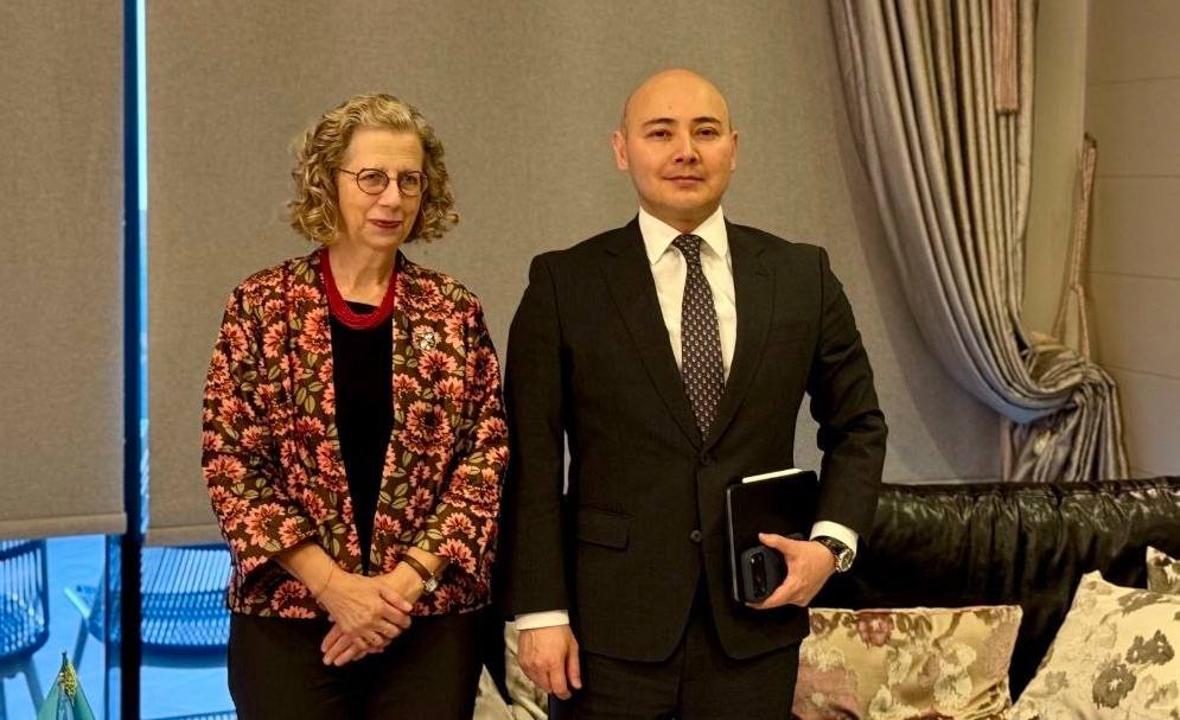
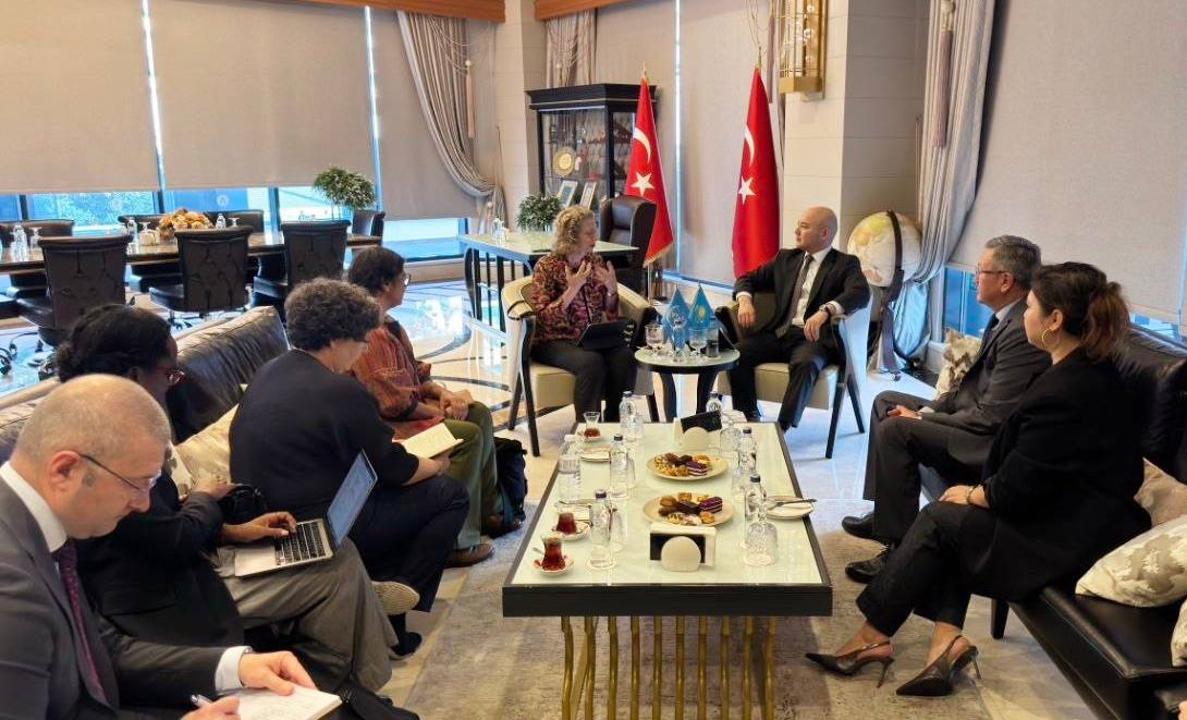
On November 15, 2026, on the sidelines of the 31st Conference of the Parties to the United Nations Framework Convention on Climate Change (COP31) in Antalya, Türkiye, Minister of Ecology and Natural Resources of the Republic of Kazakhstan Alibek Kuantyrov met with Inger Andersen, United Nations Under-Secretary-General and Executive Director of the United Nations Environment Programme (UNEP).
During the meeting, the parties discussed priority areas of cooperation between Kazakhstan and UNEP, as well as prospects for further strengthening their partnership in addressing pressing environmental and climate challenges.
Particular attention was paid to the international negotiation process aimed at developing a global agreement to combat plastic pollution. The parties exchanged views on the progress of the Intergovernmental Negotiating Committee (INC) and emphasized the importance of continuing constructive dialogue to develop effective international solutions.
Another key area of discussion was cooperation on the conservation of the Caspian Sea ecosystem. The Minister highlighted the need to intensify joint efforts, bring together interested countries and international organizations, and strengthen practical cooperation on marine environmental protection and biodiversity conservation in the Caspian region.
The parties also discussed methane emissions reduction. Kazakhstan shared its experience in implementing measures to reduce methane emissions, emphasizing the importance of further developing international cooperation and exchanging best practices in this area.
In addition, the importance of further strengthening cooperation between Kazakhstan and UNEP, including within the framework of Global Environment Facility (GEF) projects, was emphasized. The parties highlighted the need to ensure the timely and effective implementation of already approved projects, as well as to advance new joint initiatives.
 EcoQolday
 Check payment
 Login to the system
