 share
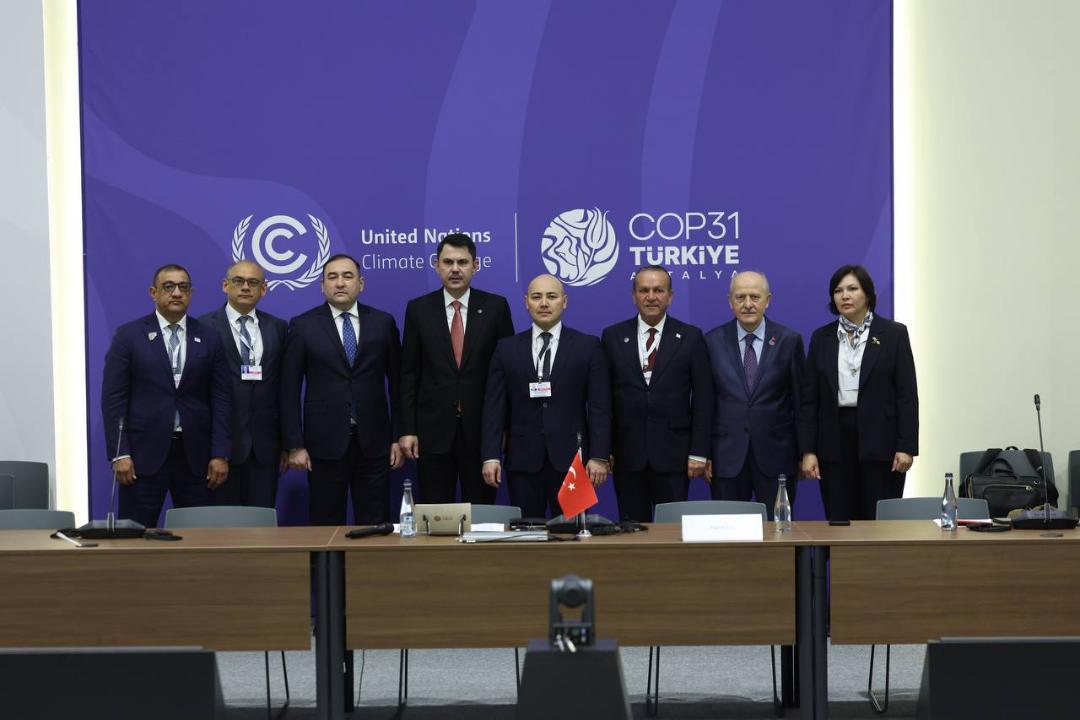
On November 16, 2026, during the 31st Conference of the Parties to the United Nations Framework Convention on Climate Change (COP31), held in Antalya, Türkiye, Minister of Ecology and Natural Resources of the Republic of Kazakhstan Alibek Kuantyrov participated in a high-level ministerial roundtable of the Organization of Turkic States (OTS).
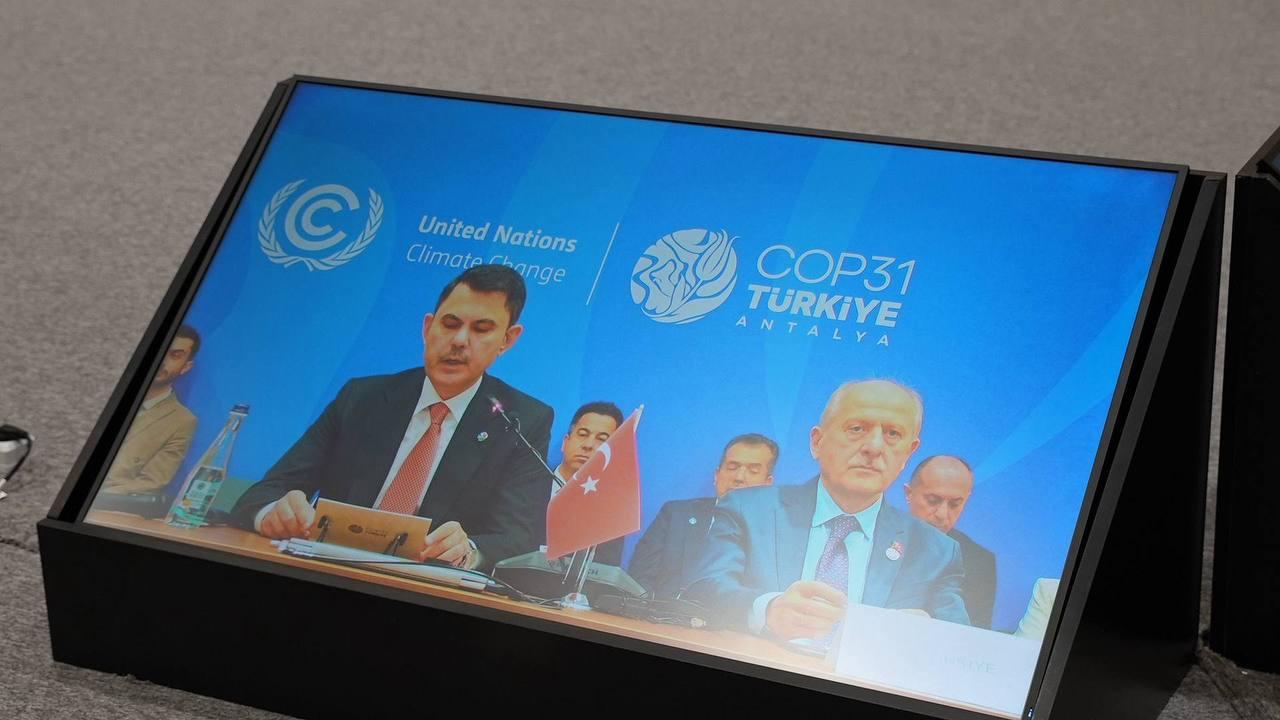
The central event of the day was a high-level roundtable of ministers responsible for environmental and climate issues from OTS member states, organized at the initiative of the COP31 Presidency in cooperation with the Organization of Turkic States.
During the meeting, participants exchanged views on key areas of the climate and environmental agenda, including the transition to clean energy, electrification, the development of a green economy, and circular resource management. Particular attention was paid to reducing methane emissions in the waste sector, strengthening the climate resilience of cities, marine and coastal areas, and expanding access to climate finance.
Speaking at the roundtable, Alibek Kuantyrov emphasized the importance of uniting the efforts of Turkic countries in addressing transboundary environmental and climate challenges. He specifically highlighted issues related to water security, land degradation, the preservation of natural ecosystems, and climate change adaptation.
The Minister presented Kazakhstan's efforts to restore the ecosystems of the Aral Sea.
The Kazakhstani section of the dried-up Aral Sea bed covers approximately 2.8 million hectares. Since 1990, afforestation and land reclamation activities have been carried out across 1.3 million hectares, representing more than 46% of Kazakhstan's portion of the seabed. Of this area, more than 1.1 million hectares were covered during the period from 2021 to 2025.
This is one of Kazakhstan's largest environmental initiatives, aimed at restoring degraded ecosystems, stabilizing shifting sands, reducing the spread of salt and dust storms, and improving environmental conditions in the Aral Sea region.
Ongoing efforts to monitor the condition of the Caspian Sea were also highlighted, including water quality monitoring at 50 coastal locations.
The Minister separately acknowledged the contribution of Türkiye's First Lady Emine Erdoğan and the global Zero Waste initiative to the development of modern waste management practices in Kazakhstan.
In particular, he recalled the opening of a specialized scientific and practical laboratory by Mrs. Emine Erdoğan at an agricultural university in Astana in May 2026, emphasizing the practical significance of this cooperation.
In addition, Kazakhstan presented measures to develop the circular economy, improve the waste management system, introduce best available techniques (BAT), and implement the National Adaptation Plan for Climate Change. The importance of moving from broad international commitments to concrete joint projects and practical solutions was emphasized.
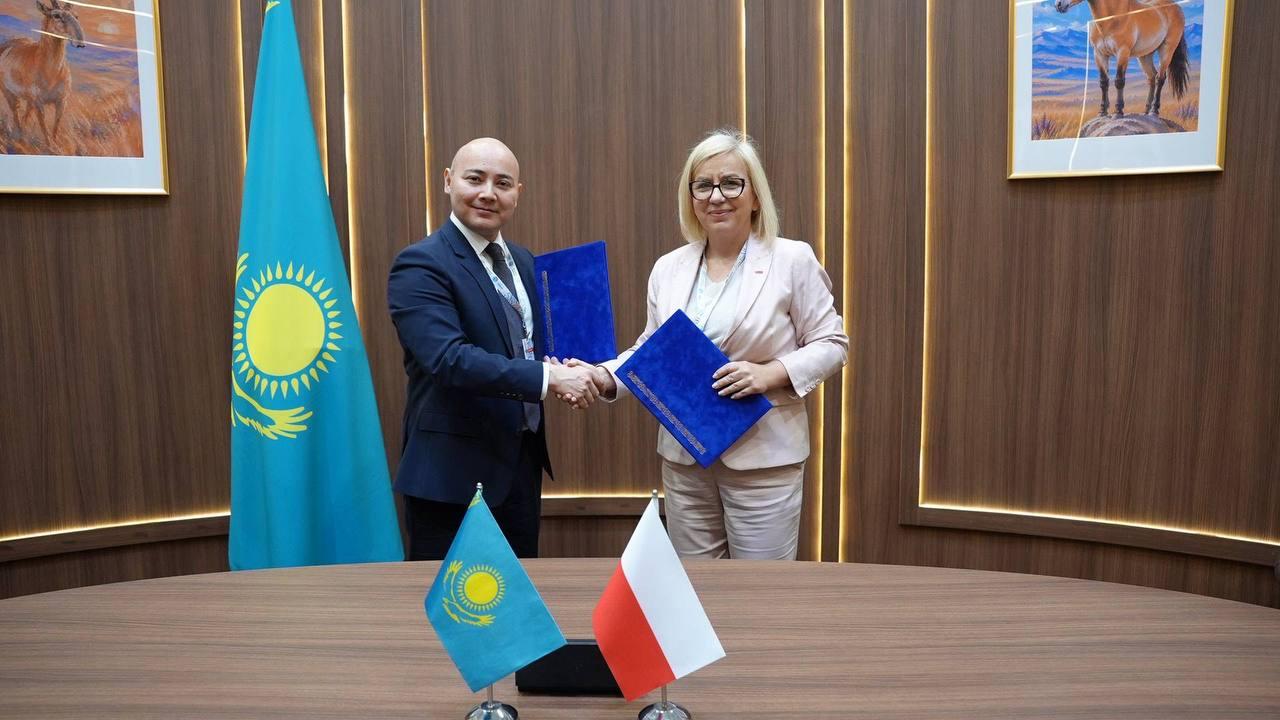
As part of the bilateral agenda, the Minister held a meeting with Paulina Hennig-Kloska, Minister of Climate and Environment of the Republic of Poland. The parties discussed prospects for strengthening bilateral cooperation in environmental protection, climate policy, and sustainable development.
Particular attention was given to exchanging experience in separate waste collection and sorting, introducing green technologies and best available techniques, developing renewable energy sources, improving energy efficiency, restoring forests, and conserving biodiversity.
The parties also discussed the development of coal-fired power generation while simultaneously reducing emissions, including the application of modern technological solutions to minimize the environmental impact of coal use and support a gradual transition to cleaner energy. The Polish side shared its experience in transforming the energy sector and progressively reducing dependence on coal-fired power generation.
Following the meeting, a Memorandum of Understanding was signed between the relevant ministries of Kazakhstan and Poland.
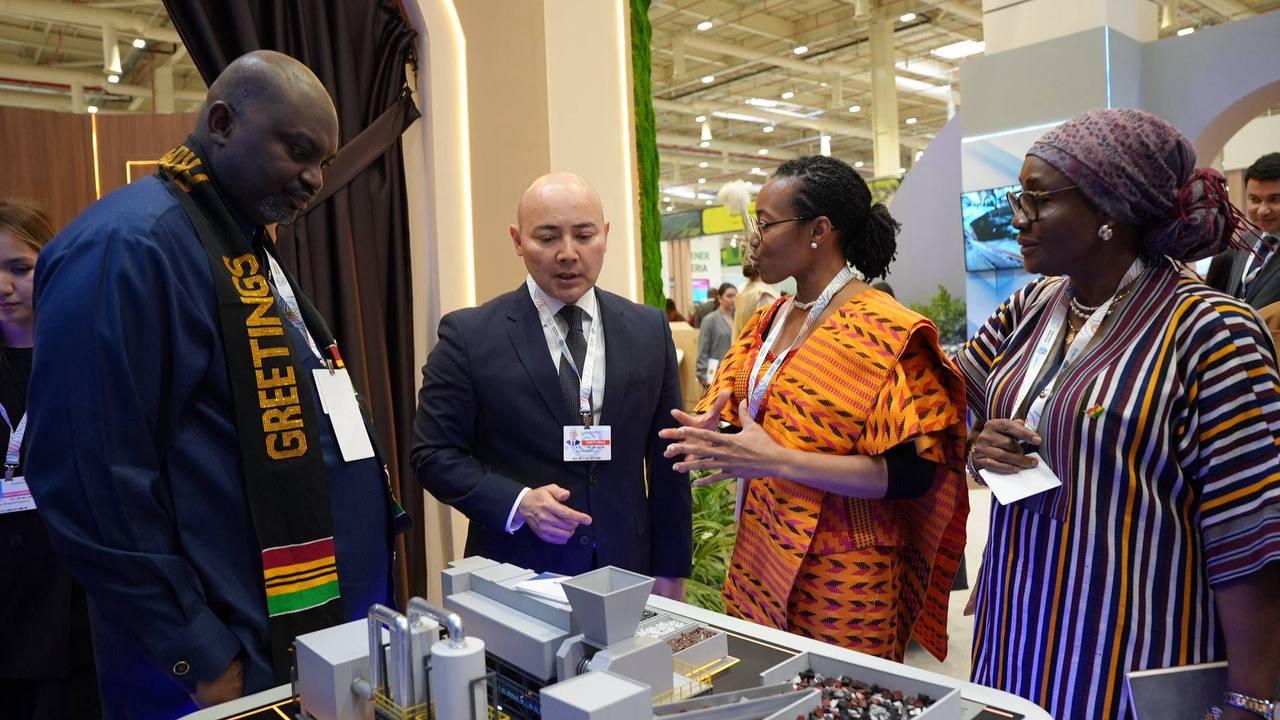
At the initiative of the Ghanaian side, a meeting was held with Dr. Zanetor Agyeman-Rawlings, Minister of Environment, Science and Technology of the Republic of Ghana. The parties discussed prospects for bilateral cooperation in environmental protection.
The Ghanaian side expressed interest in studying Kazakhstan's experience in waste management, the introduction of modern recycling technologies, the reduction of plastic and chemical pollution, and biodiversity conservation.
Following the meeting, the parties agreed to continue exchanging experience and strengthening cooperation. The Ghanaian side expressed its readiness to send a delegation to Kazakhstan to learn about the country's experience and practices in these areas.
At the initiative of the French side, a meeting was held with Audrey Rojkoff, Director of the Climate and Nature Department at the French Development Agency (AFD). The discussions focused on prospects for further cooperation in waste management, biodiversity conservation, climate policy, and mobilizing financing for environmental projects.
The Kazakhstani side expressed interest in studying France's advanced experience in separate waste collection and recycling, organic waste composting, and the implementation of circular economy principles.
The parties also explored opportunities to attract concessional financing, grant support, technical expertise, and AFD investment for infrastructure and environmental initiatives. Following the discussions, both sides expressed interest in identifying priority projects and moving toward their practical implementation.
A meeting was also held with Diego Mesa Puyo, Chief Executive Officer and Chairperson of the Global Environment Facility (GEF). The parties discussed prospects for further cooperation within the international environmental and climate agenda.
Particular attention was paid to financing environmental initiatives, biodiversity conservation, and implementing projects under the ninth replenishment cycle of the Global Environment Facility (GEF-9) for 2026–2030.
Following the discussions, the parties emphasized the importance of further strengthening their partnership and mobilizing international financial resources to support Kazakhstan's environmental priorities.
The meetings held on the sidelines of COP31 reaffirmed Kazakhstan's commitment to expanding international environmental partnerships and attracting advanced expertise, technologies, and financial resources to implement national environmental initiatives. Particular emphasis was placed on moving beyond dialogue toward concrete joint projects and tangible results.
 EcoQolday
 Check payment
 Login to the system
