 share
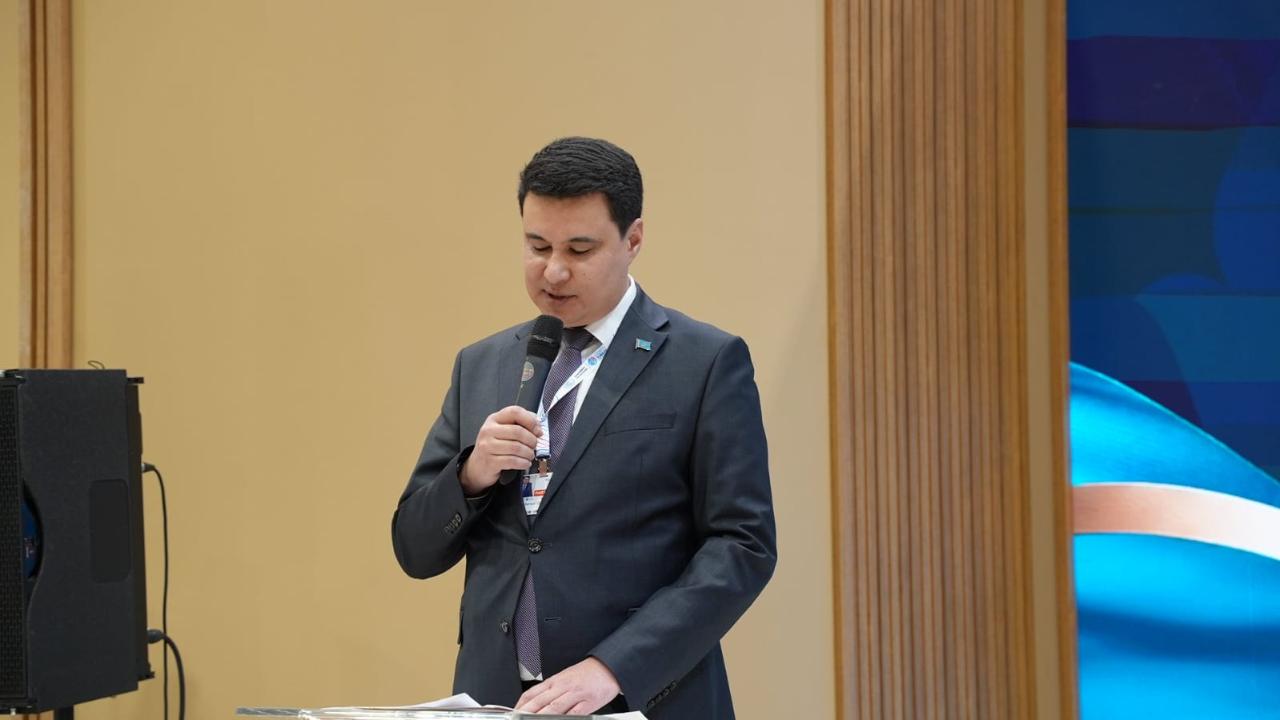
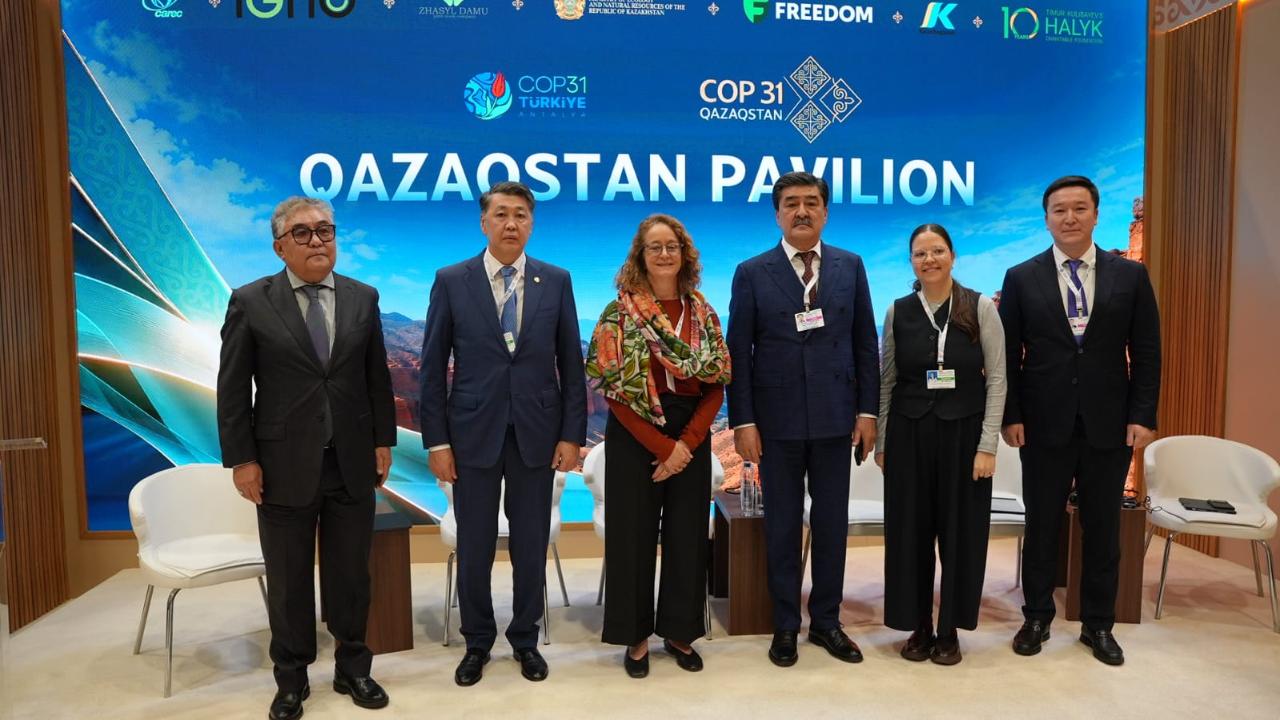
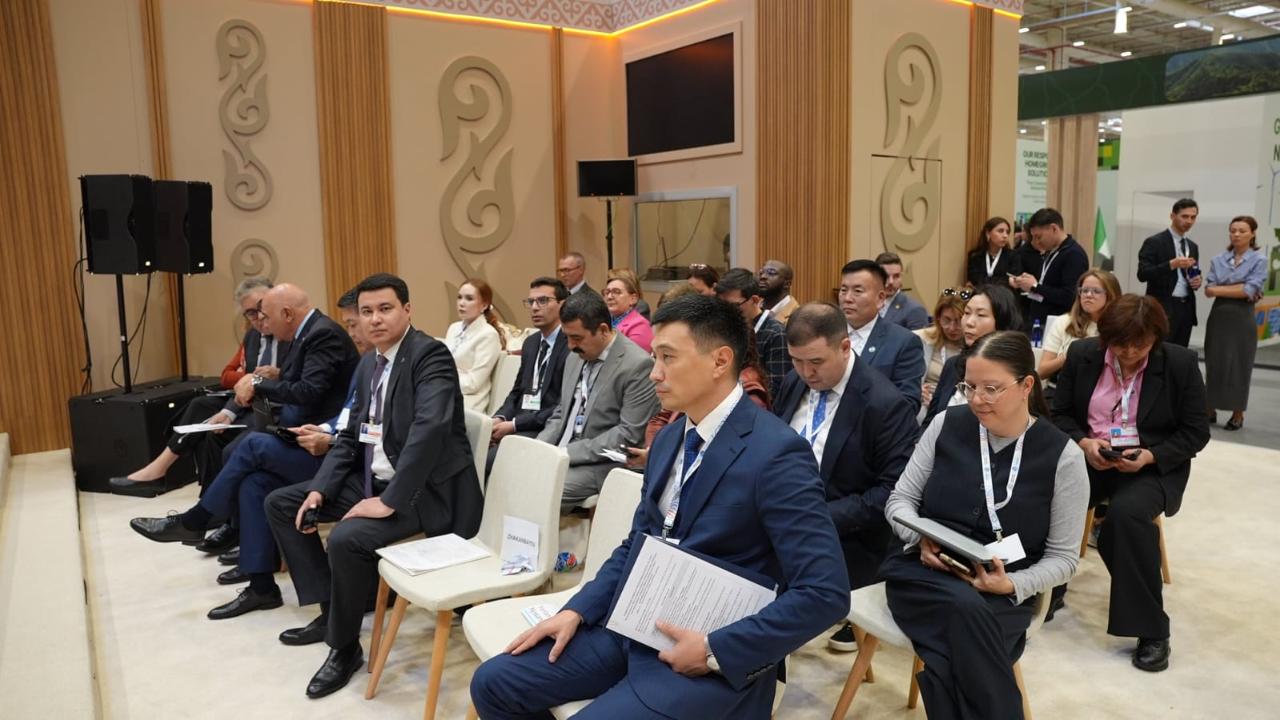
In Antalya, Türkiye, during the 31st Conference of the Parties to the United Nations Framework Convention on Climate Change (COP31), Mansur Oshurbayev, Vice Minister of Ecology and Natural Resources of the Republic of Kazakhstan, participated in a panel session titled “Restoration of Aquatic Ecosystems as an Adaptation Measure: Experience in Reviving the Northern (Small) Aral Sea and International Cooperation.” The event took place at Kazakhstan’s National Pavilion.
During his remarks, the Vice Minister highlighted Kazakhstan’s ongoing efforts to restore the ecosystems of the Aral Sea region and strengthen its resilience to climate change.
“For Central Asia, climate change adaptation is, above all, a matter of water. The history of the Aral Sea demonstrates this more clearly than anything else: when an aquatic ecosystem loses its stability, the land, climate, public health, and the economy of an entire region are also affected,” Mansur Oshurbayev stated.
Particular attention was given to the progress achieved in restoring the Northern Aral Sea. Through the implementation of water management projects, including the construction of the Kokaral Dam with the support of the World Bank, Kazakhstan has managed to preserve the northern part of the sea. In recent years, its water volume has increased from 18.9 billion to more than 23 billion cubic meters.
At the same time, Kazakhstan is carrying out large-scale afforestation efforts on the dried seabed of the Aral Sea. Between 2021 and 2025, forest reclamation activities covered more than 1.1 million hectares. The planting of saxaul trees helps stabilize shifting sands and reduce the spread of salt and dust.
In conclusion, Mansur Oshurbayev emphasized the importance of expanding international cooperation, mobilizing climate finance, and strengthening joint scientific monitoring to support the restoration of aquatic and terrestrial ecosystems across Central Asia.

 EcoQolday
 Check payment
 Login to the system
