Kazakhstan has developed a portfolio of 67 projects aimed at expanding its municipal solid waste management infrastructure. These projects include the construction and modernization of waste sorting and recycling facilities, as well as the renewal of equipment and vehicles used for waste collection and transportation.
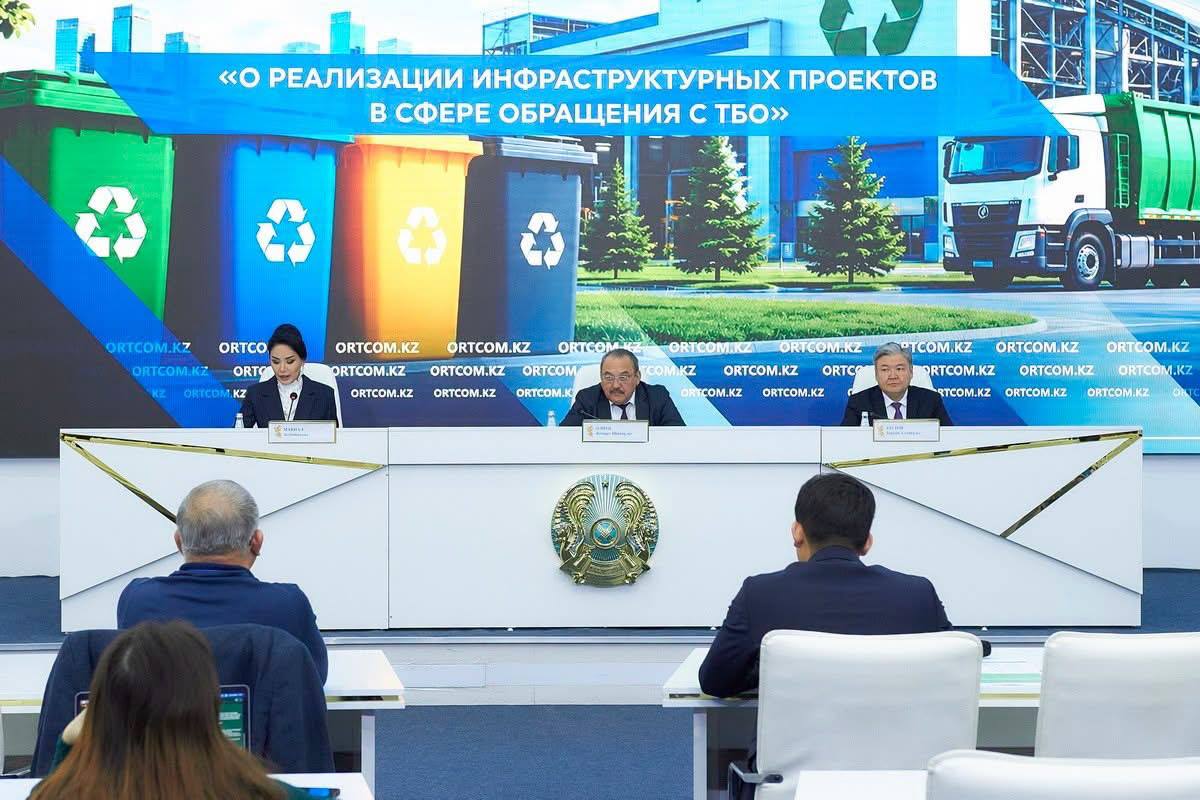
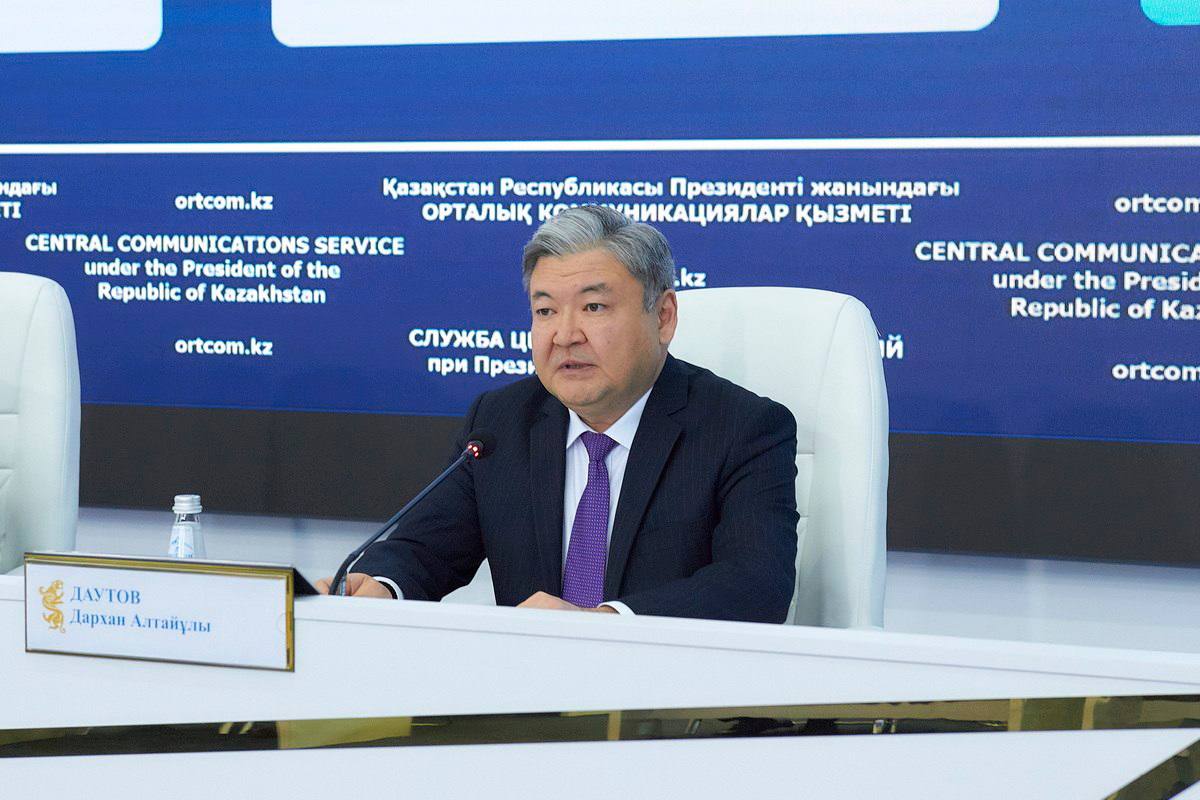
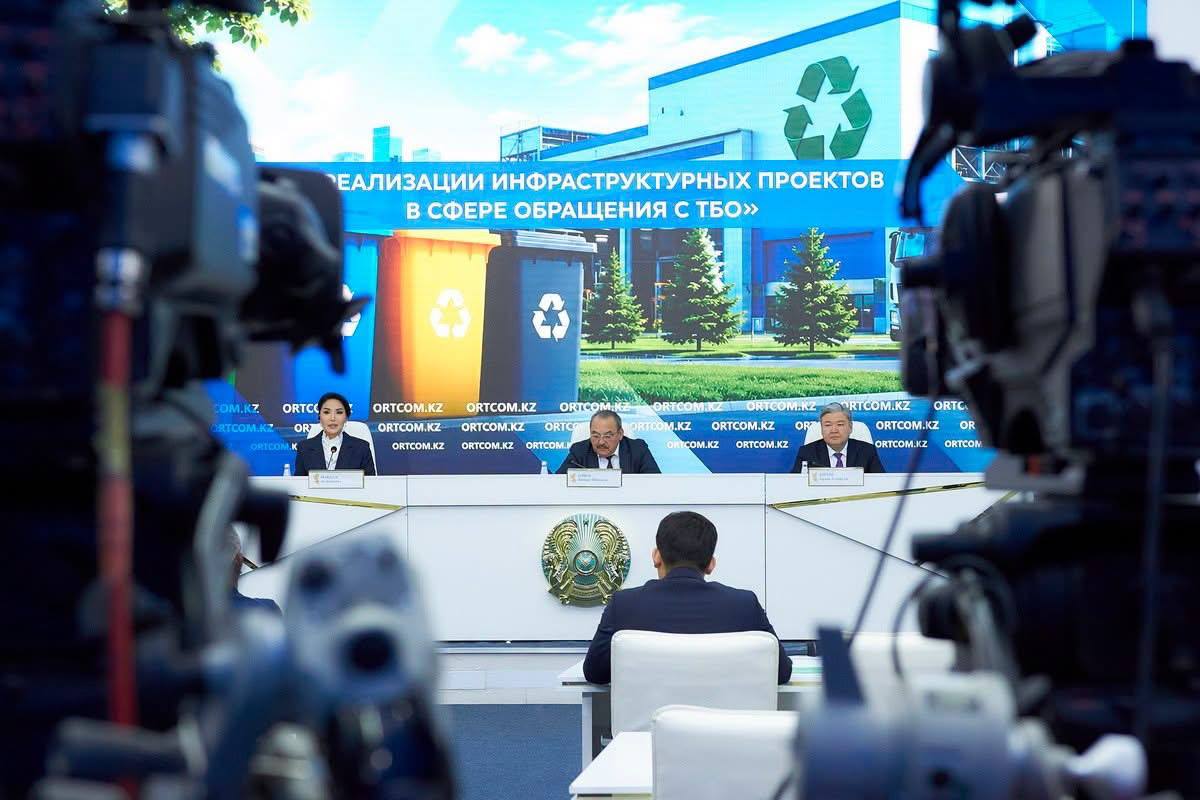
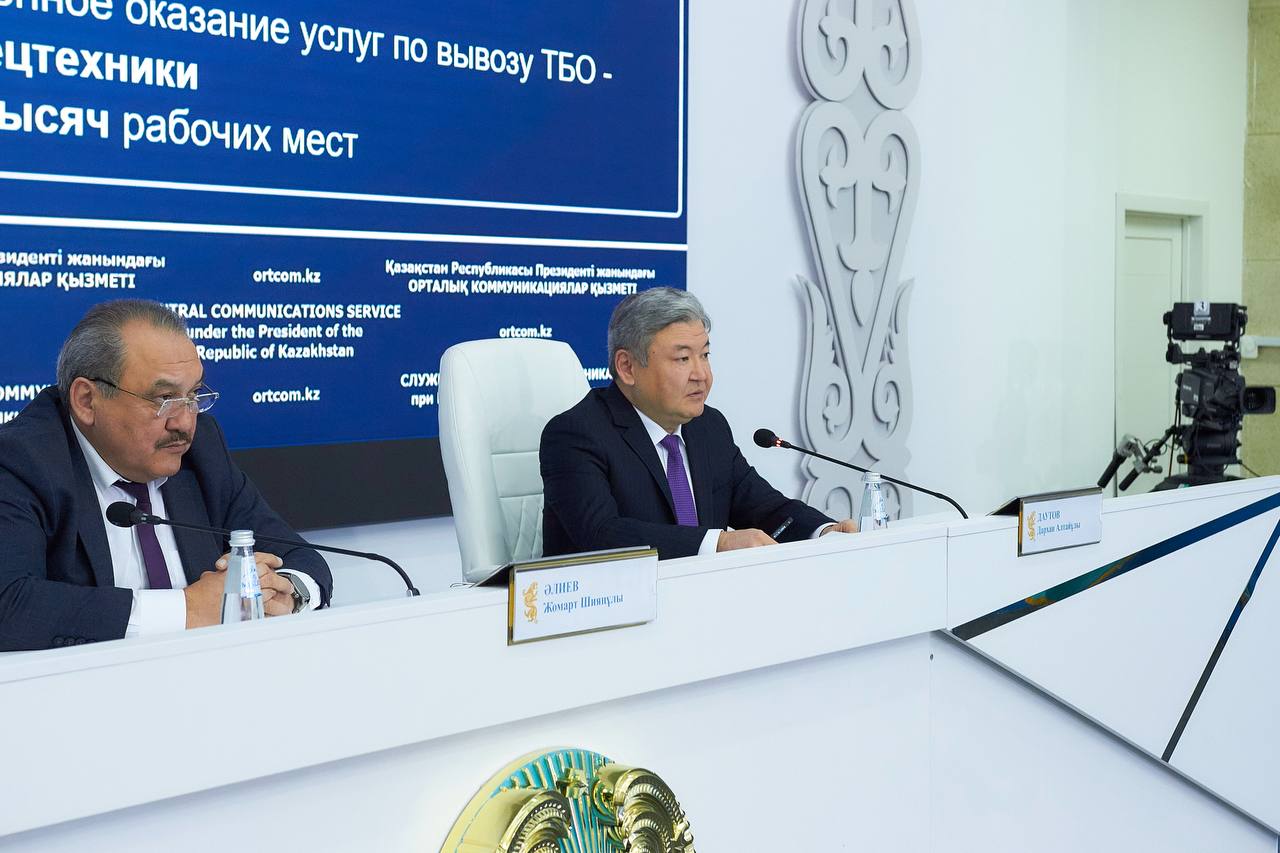
The current progress and future plans were presented at a press conference held at the Central Communications Service by Zhomart Aliyev, Vice Minister of Ecology and Natural Resources of the Republic of Kazakhstan, and Darkhan Dautov, Deputy Chairman of the Management Board and Member of the Management Board of JSC Zhasyl Damu.
The majority of the proposed projects focus on recycling secondary raw materials, including wastepaper, plastics, used tires, and glass. Once the entire portfolio is implemented, the projects are expected to establish an annual sorting capacity of 2.3 million tonnes and a recycling capacity of 1.1 million tonnes of waste. More than 5,000 jobs are expected to be created across the regions.
“JSC Zhasyl Damu has financed 34 projects totaling KZT 122.6 billion. Of these, 15 projects have already been completed. Construction, equipment delivery, and installation are ongoing for the remaining projects. Most of these facilities are expected to be commissioned in 2027–2028,” said Darkhan Dautov.
At the same time, work on new applications is continuing. Seven additional projects have been approved by JSC Industrial Development Fund and are currently at the contract-signing stage. Another group of applications is undergoing expert review, with decisions expected in the fourth quarter of 2026 and the first quarter of 2027. The project portfolio is being updated as new applications are submitted by businesses.
Waste management infrastructure is being developed not only in regional centers but also in districts and rural settlements. Completed projects include a waste sorting facility in the Zhanakorgan District of Kyzylorda Region, the renewal of the specialized vehicle fleet in Kulsary, Atyrau Region, and a wastepaper recycling facility producing egg trays in the village of Kurkeles, Turkistan Region.
The establishment of new enterprises and the expansion of existing production facilities will increase the volume of waste returned to economic circulation and reduce the burden on landfills. The full impact of these projects will be assessed once the facilities have been commissioned and reached their designed production capacities.

 EcoQolday
 Check payment
 Login to the system

 share