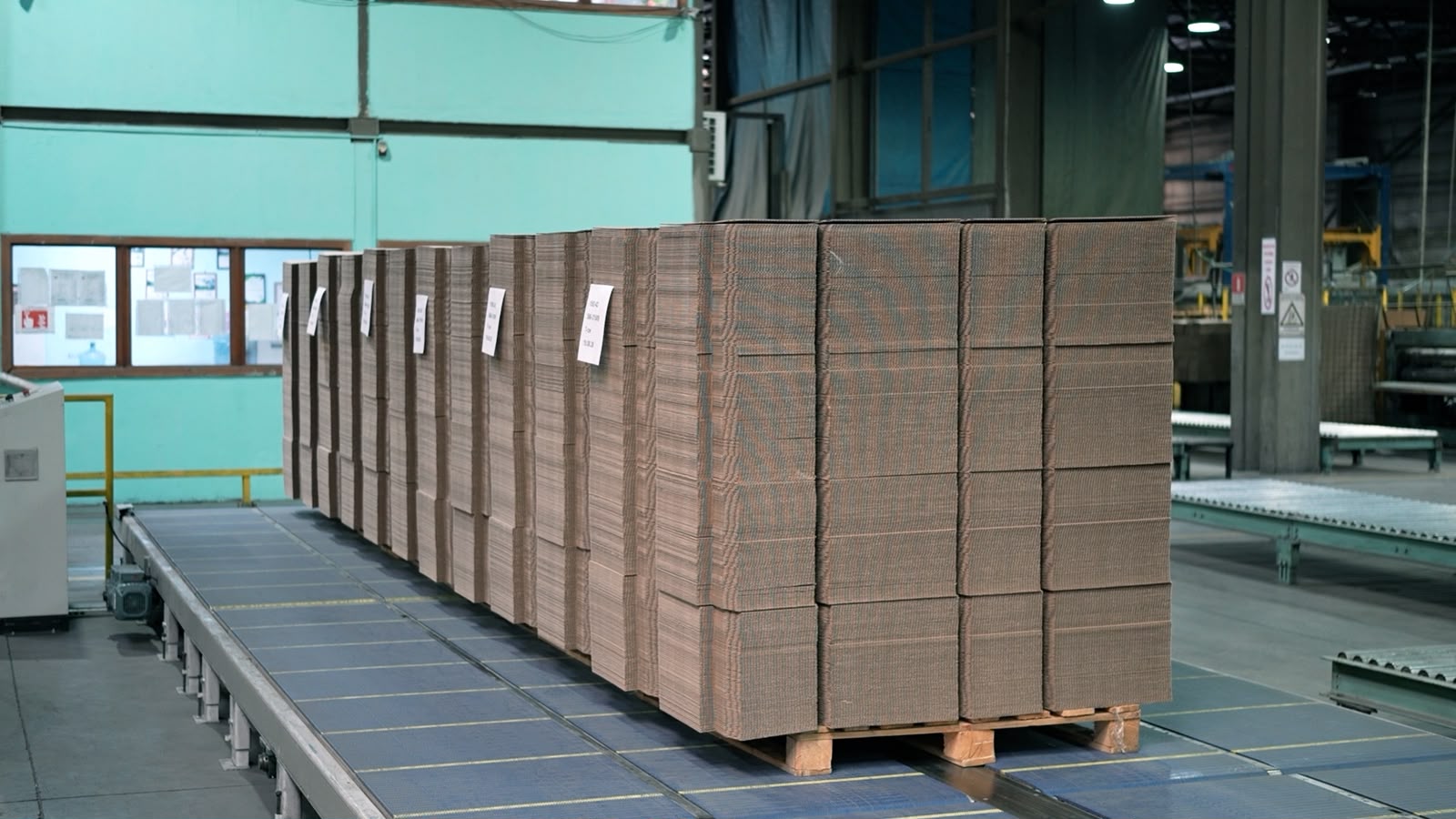
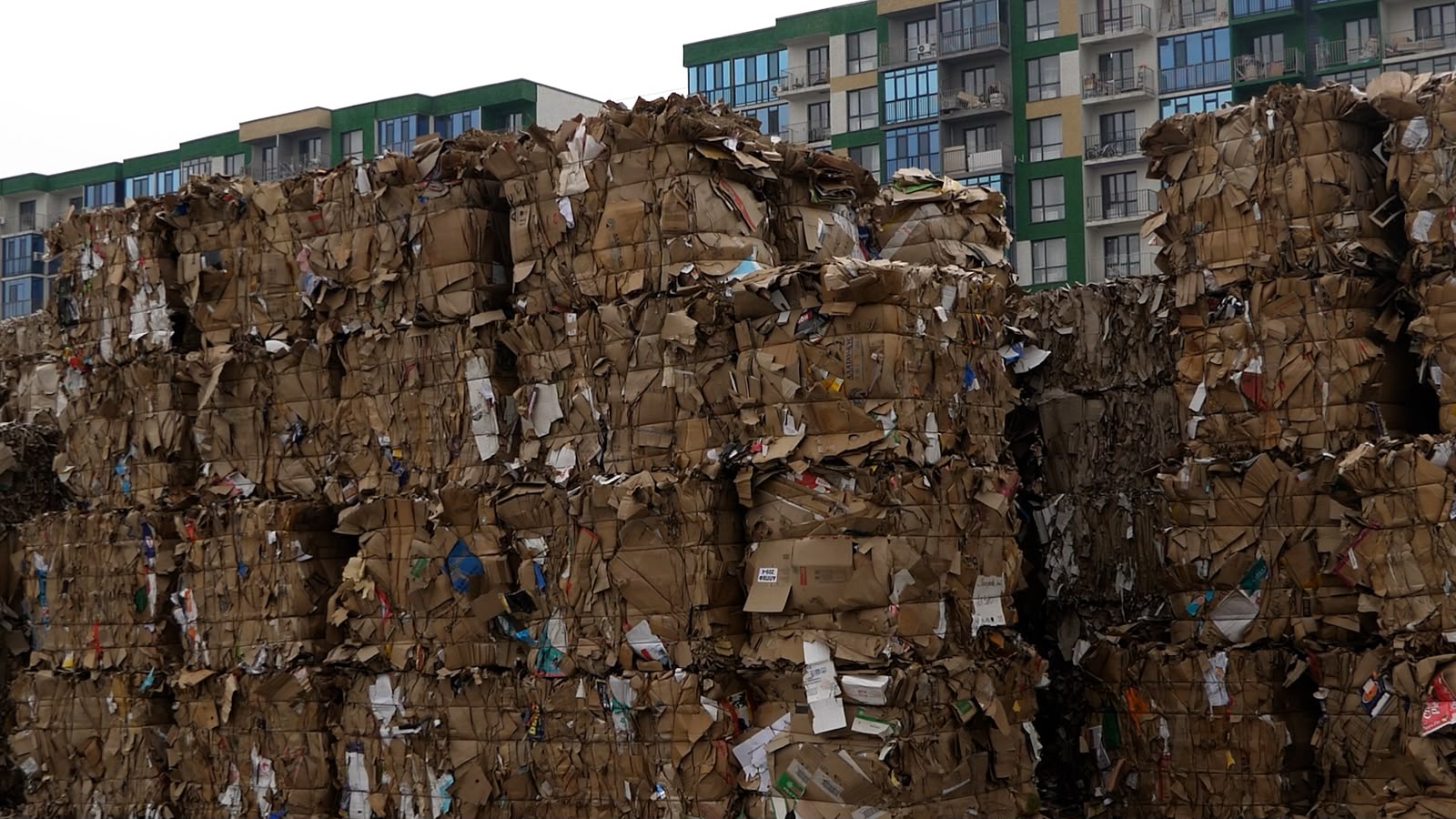
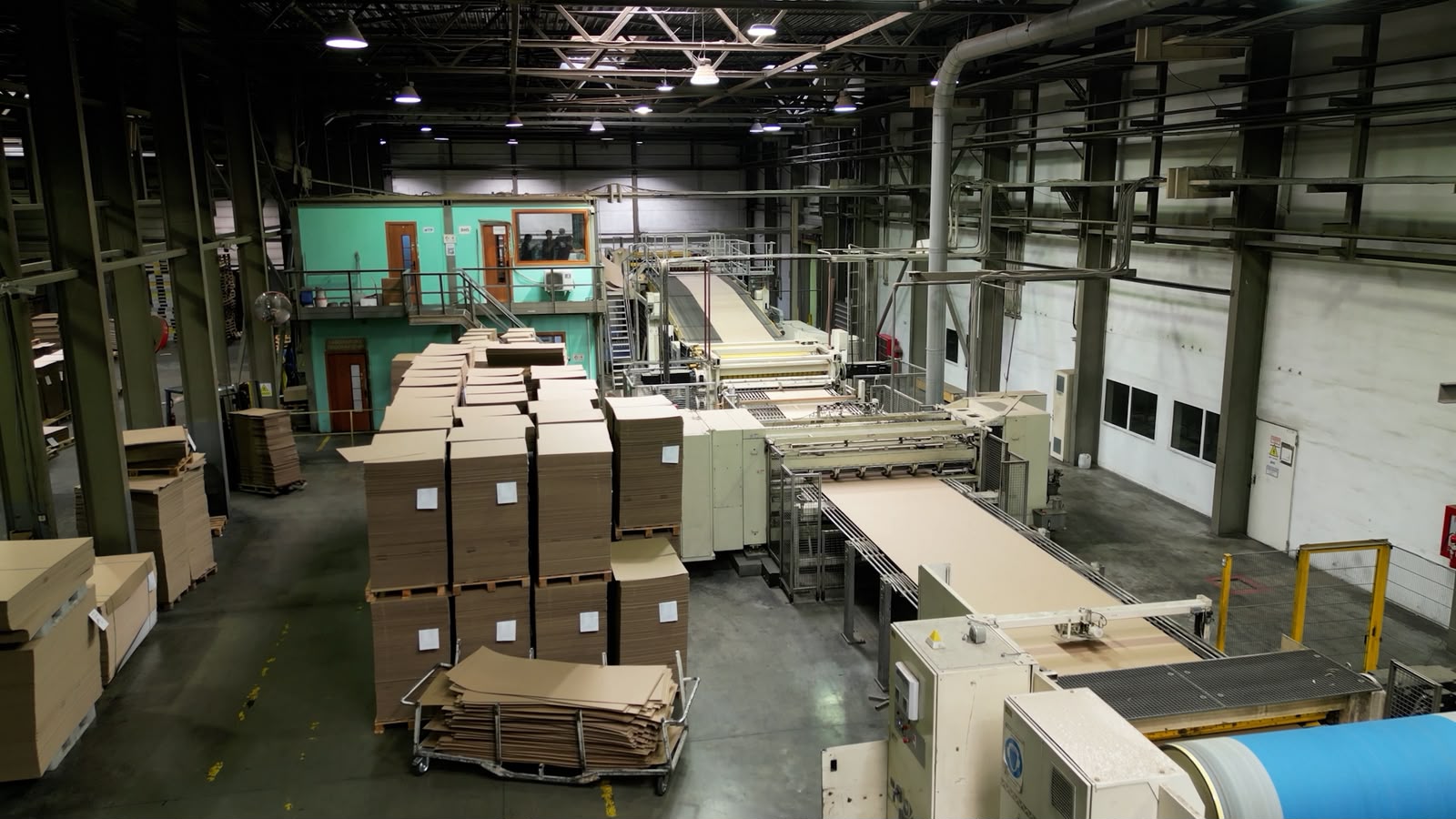
With the support of the Ministry of Ecology and Natural Resources of the Republic of Kazakhstan, JSC Zhasyl Damu continues to finance projects aimed at modernizing existing enterprises and increasing waste recycling capacity. Two such projects in the field of paper waste recycling are currently being implemented in Almaty. Upon completion of the modernization, their combined production capacity will exceed 200,000 tonnes per year.
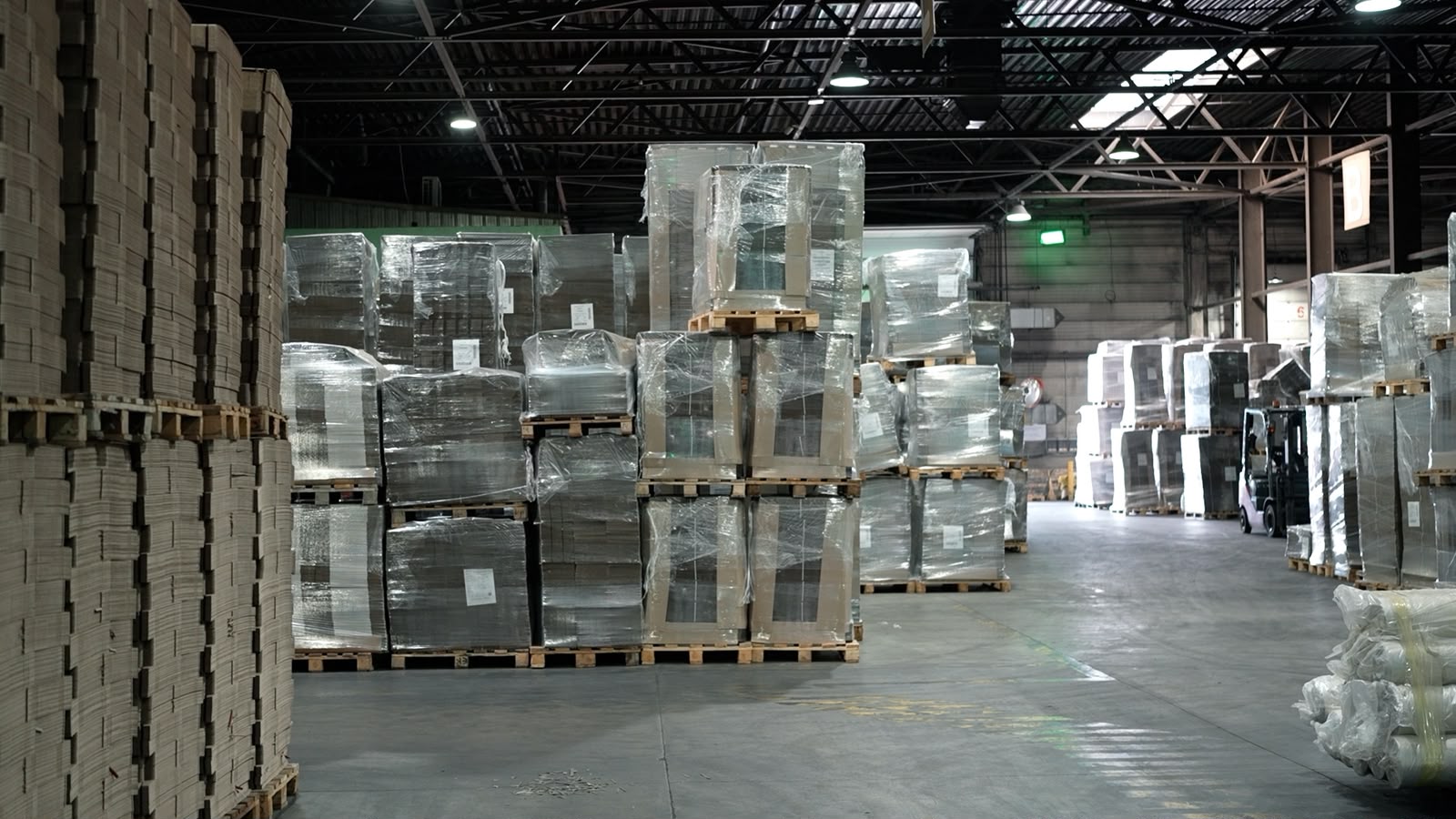
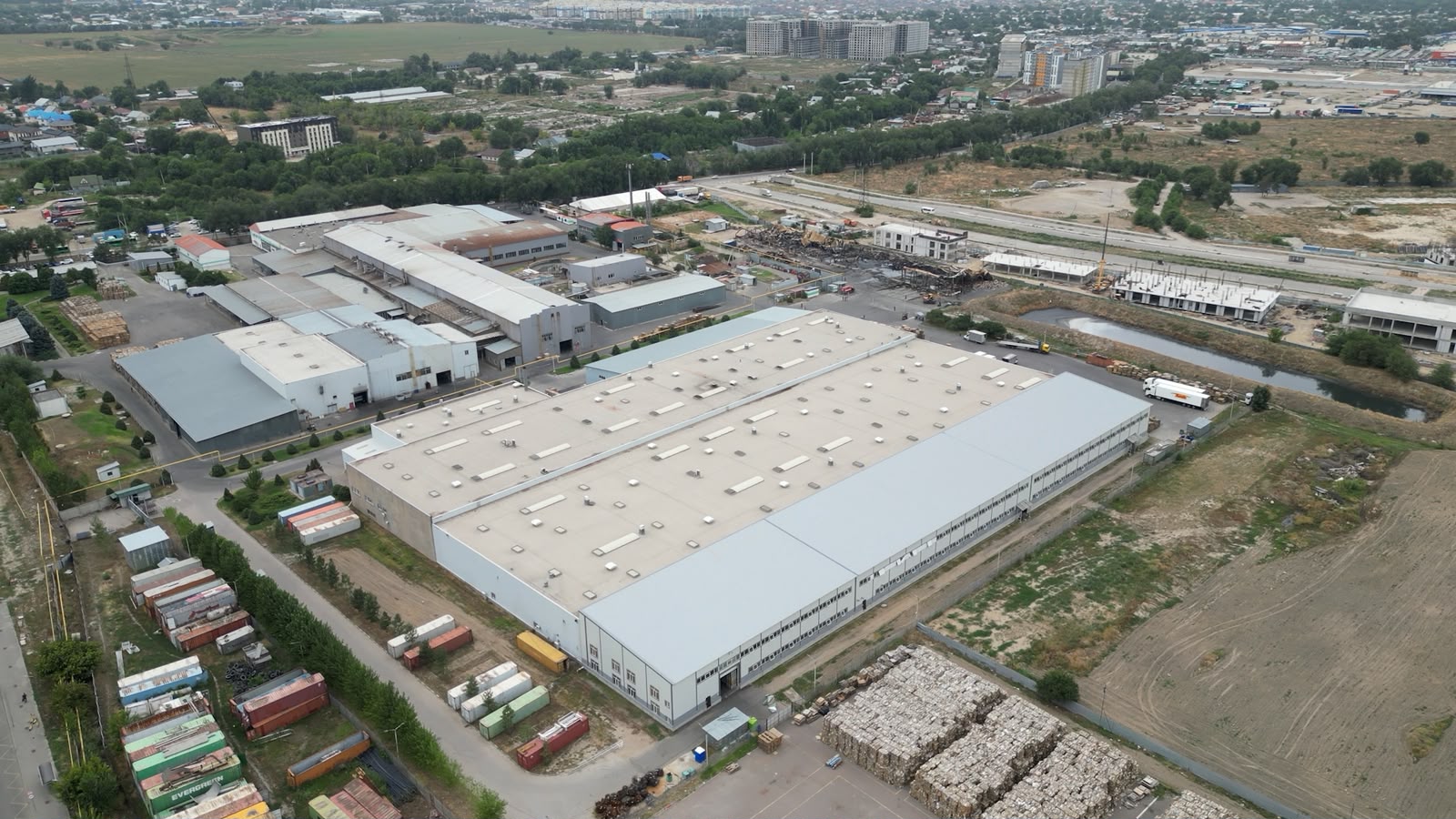
One of the largest projects is being implemented by KZ Recycling LLP. The project involves the modernization of the existing facility, increasing its paper waste recycling capacity to 150,000 tonnes per year. The total project cost is approximately KZT 36.5 billion.
The project is financed by JSC Zhasyl Damu using recycling fee proceeds jointly with the Industrial Development Fund JSC. The allocated financing has been fully disbursed. Construction and installation works are currently underway, along with the preparation of the necessary infrastructure. The project is expected to be completed in 2028.
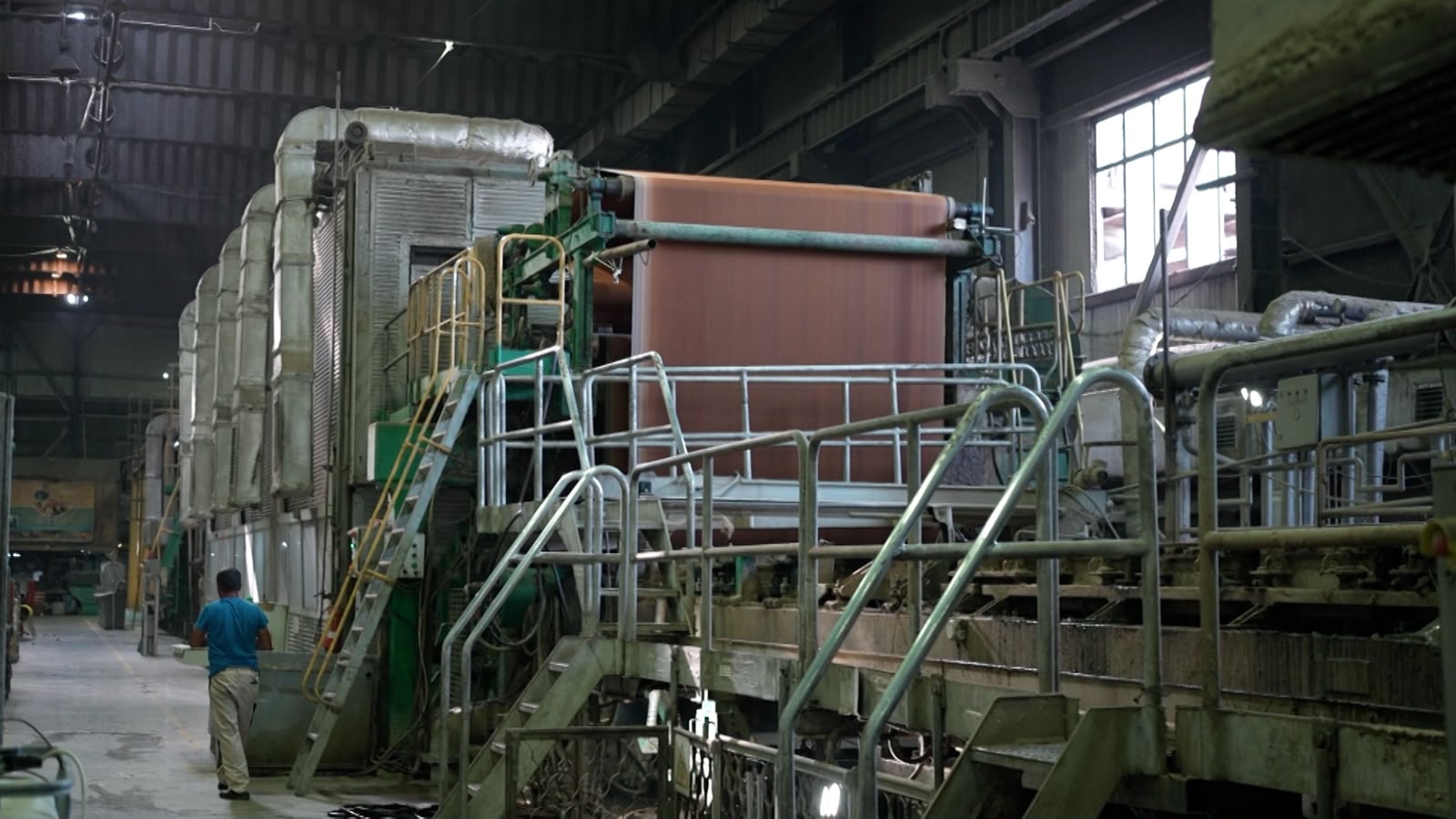
Another project is being implemented by Inter Multi Service LLP. It provides for the modernization of the existing paper machine and an increase in the company’s production capacity to 50,400 tonnes per year. The project cost exceeds KZT 1.1 billion.
The works are proceeding according to schedule. Coating equipment has already been delivered to the facility, and preparations for its installation and commissioning are underway. Delivery of the paper machine is also expected. The modernization of the production line is scheduled to be completed by the end of 2026.
The implementation of these projects will increase the existing waste paper recycling capacity in Almaty and expand the volume of paper waste returned to economic circulation as secondary raw materials.
As a reminder, JSC Zhasyl Damu has financed 30 projects totaling approximately KZT 116 billion using recycling fee proceeds. The implementation of such projects contributes to the development of modern waste management infrastructure, increased recycling volumes, reduced waste disposal at landfills, and greater use of secondary raw materials in the economy in accordance with the Environmental Code of the Republic of Kazakhstan.
 EcoQolday
 Check payment
 Login to the system

 share
share