 share
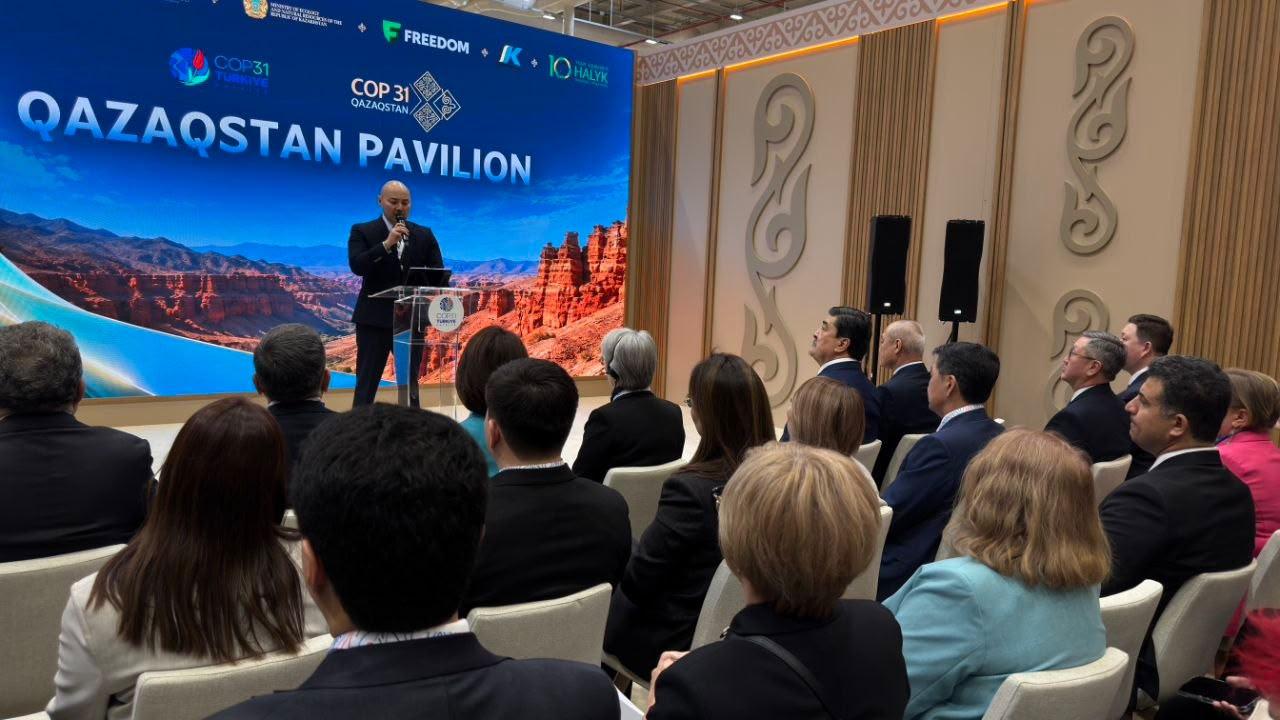
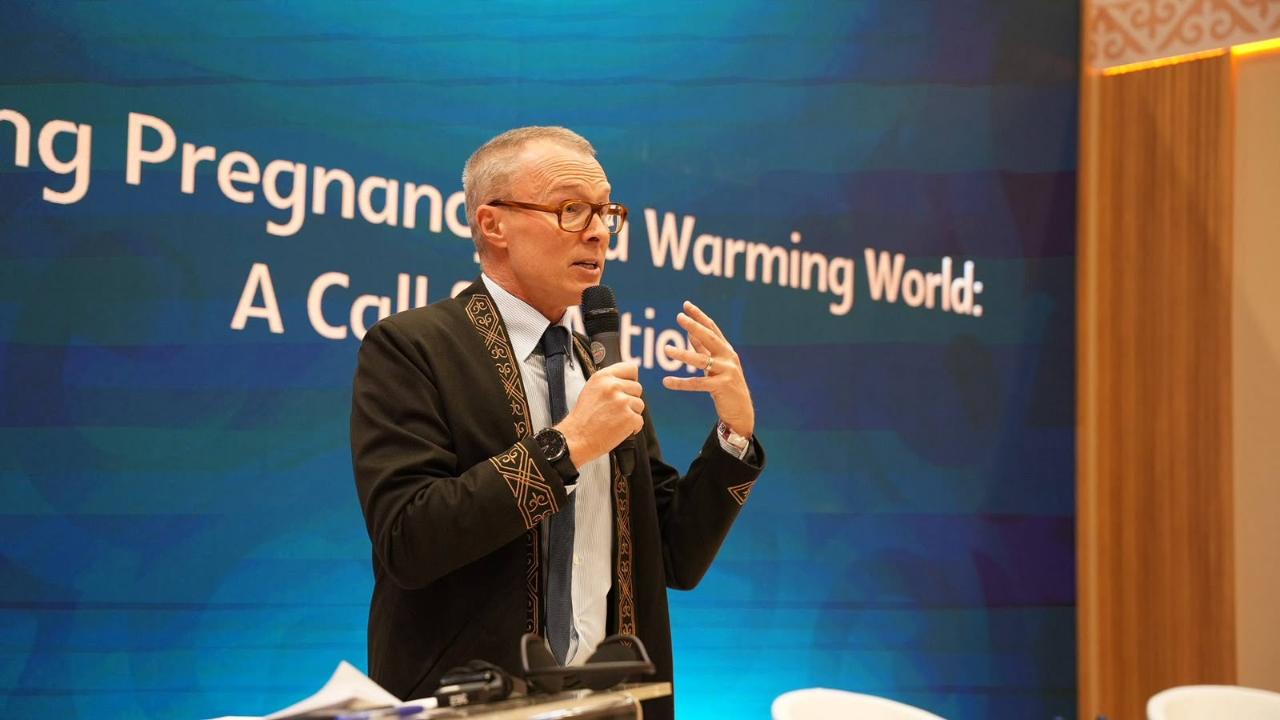
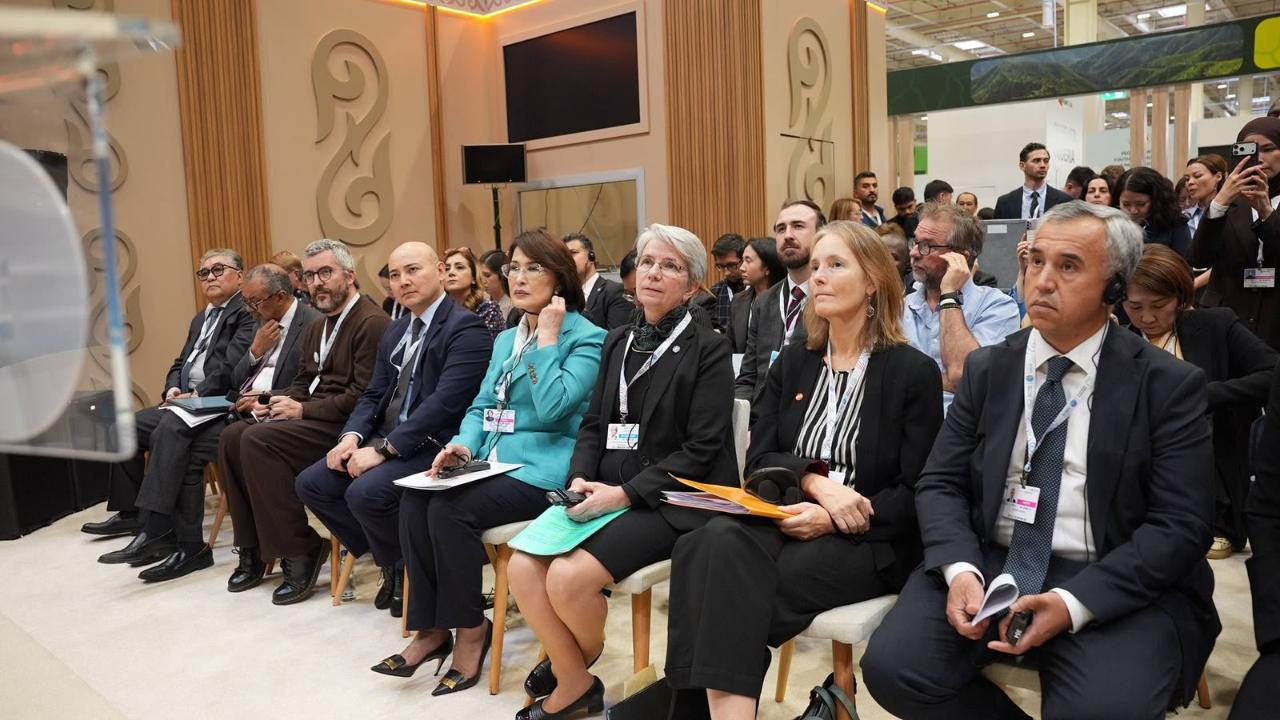
Today, a high-level session titled “Protecting Pregnancy in a Warming World: A Call to Action” was held at Kazakhstan’s National Pavilion during the 31st United Nations Climate Change Conference (COP31) in Antalya, Türkiye.
The session was attended by World Health Organization (WHO) Director-General Tedros Adhanom Ghebreyesus, Serik Yegizbayev, Chairman of the Committee on Agrarian Affairs, Ecology and Natural Resources of the Kurultai, Akmaral Alnazarova, Minister of Healthcare of the Republic of Kazakhstan, Alibek Kuantyrov, Minister of Ecology and Natural Resources of the Republic of Kazakhstan, as well as experts and representatives from more than 30 countries.
Opening the session, Kazakhstan’s Minister of Healthcare emphasized that the country is warming at nearly twice the global average rate, while extreme heat and environmental challenges pose direct threats to reproductive health and future generations.
“Today, we are drawing attention to one of the most significant humanitarian dimensions of the climate crisis — the impact of climate change on maternal and child health.
Climate change cannot be viewed solely through temperature indicators, greenhouse gas emissions, or economic losses. Behind each of these figures are human health and lives.
Pregnant women and newborns require particular attention, as extreme heat, air pollution, and limited access to safe water can create additional health risks for mothers and children, including during prenatal development,” said Alibek Kuantyrov.
According to research conducted by Ghent University and the United Nations Population Fund (UNFPA), as well as scientific assessments of the situation in the Aral Sea region, rising temperatures and environmental degradation directly increase the risks of premature birth and pregnancy-related complications.
To minimize climate-related health risks, Kazakhstan is actively developing preventive healthcare programmes, including the “Analar Saulygy” (Maternal Health) initiative.
In addition, in partnership with WHO, Kazakhstan is working on the launch of the “Healthy Future in the Aral Sea Region” Roadmap for 2026–2030, with plans to subsequently establish an interregional Climate Medicine and Health Hub.
At the conclusion of the session, the Kazakh delegation called on the international community to integrate climate risks into national healthcare systems, expand locally focused scientific research, introduce digital early warning tools, and mobilize joint investments in environmental resilience and maternal healthcare.
The event was jointly organized by the Ministry of Healthcare of the Republic of Kazakhstan and the Ministry of Ecology and Natural Resources of the Republic of Kazakhstan, in cooperation with WHO and UNFPA.

 EcoQolday
 Check payment
 Login to the system
