 share
share
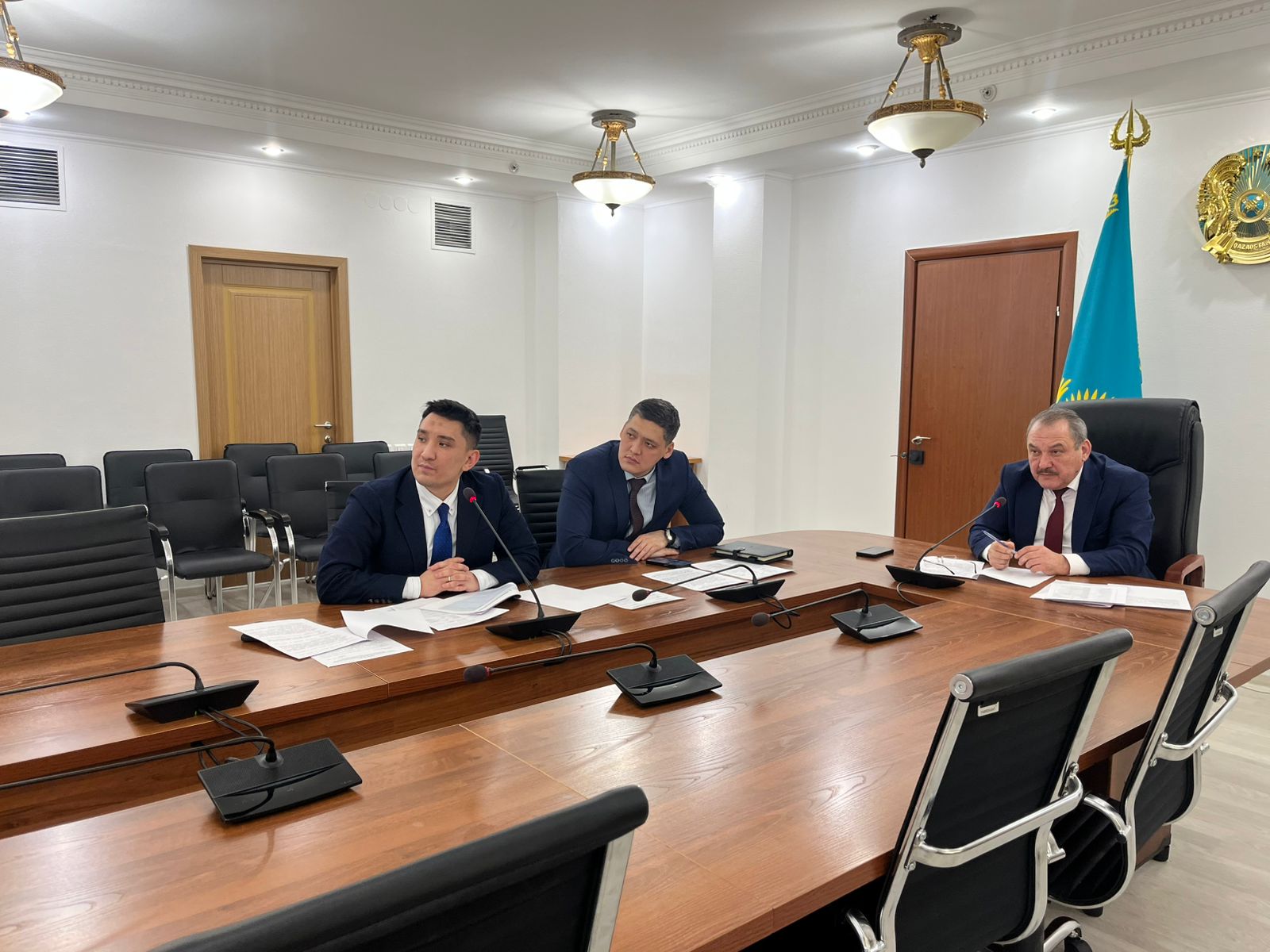
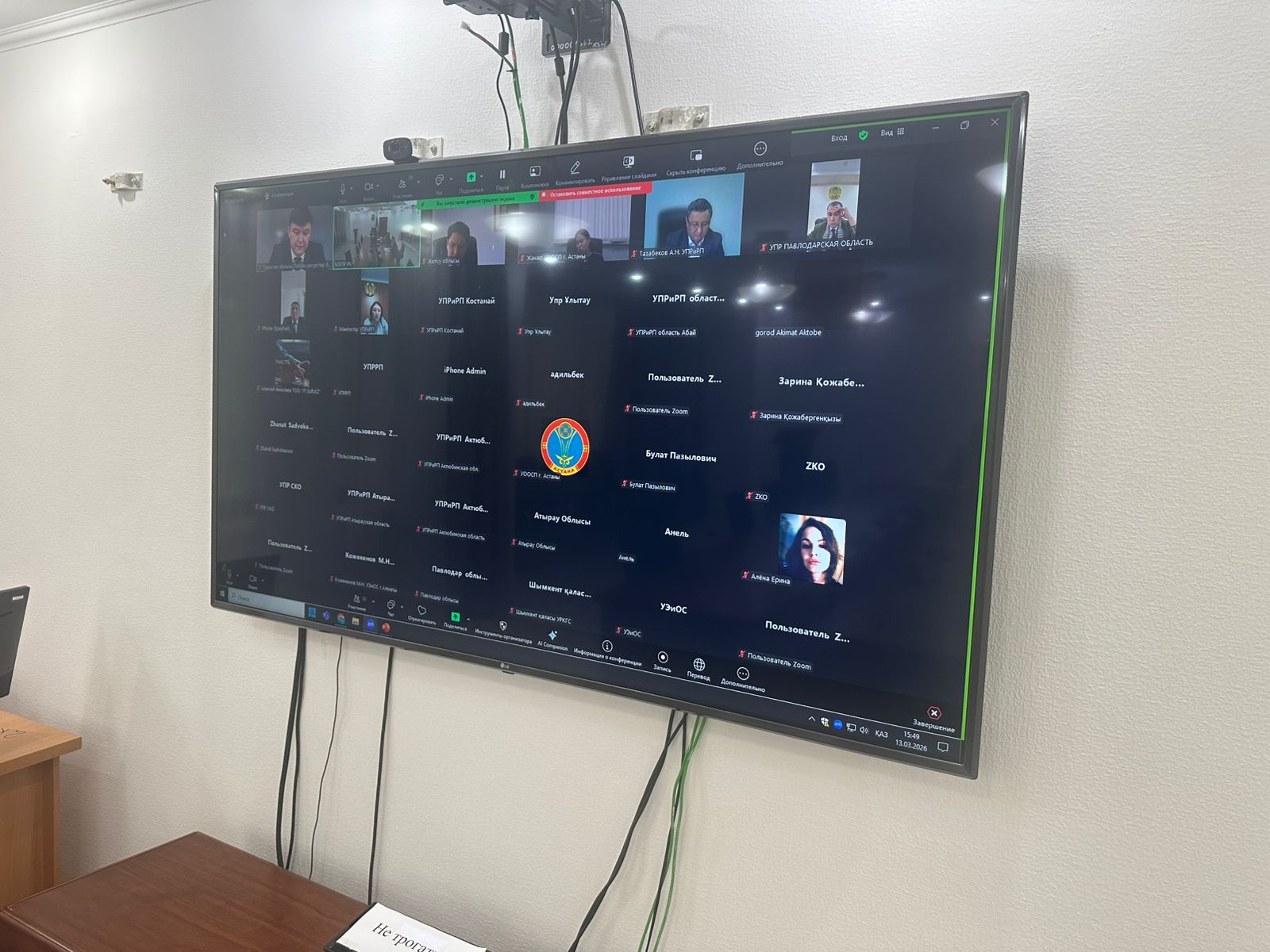
The Ministry of Ecology and Natural Resources of the Republic of Kazakhstan held an online meeting on issues related to the collection and transportation of municipal solid waste (MSW) in rural areas. The meeting was attended by representatives of the ministry, JSC “Zhasyl Damu,” and regional akimats. The meeting was chaired by Vice Minister of Ecology and Natural Resources Zhomart Aliyev.
During the meeting, participants discussed the challenges of MSW collection and disposal in rural settlements and possible solutions within the framework of the ongoing waste management reform in the country. Last week, JSC “Zhasyl Damu” presented a new model for organizing the waste management system to members of Parliament.
One of the key objectives of the reform is to address the issue of MSW collection and disposal in rural areas. According to experts, this problem currently affects about 7.4 million people, which represents nearly 37% of Kazakhstan’s population. The lack of economic attractiveness for businesses, due to the low profitability of services in rural areas, leads to a limited presence of operators and, consequently, the formation of illegal dumping sites.
During the meeting, it was noted that the President of Kazakhstan has set the task of eliminating illegal dumps and establishing an effective waste management system with a priority on development in rural regions.
As one of the potential solutions, the possibility of implementing a separate concessional financing program through JSC “Zhasyl Damu” is being considered. The program would be aimed at developing infrastructure for MSW collection and transportation in rural areas. Such support is expected to increase the economic attractiveness of projects for businesses and ensure the sustainable operation of the system.
Currently, the Ministry of Ecology and Natural Resources, together with regional akimats, is conducting an analysis of the current situation in the regions, including an assessment of existing infrastructure, service coverage levels, and the needs of settlements. Based on the results of this work, specific regional plans for organizing waste collection and disposal systems in rural areas will be developed, which will help improve access to these services for rural residents.
It is expected that following the analytical work, a comprehensive action plan will be developed aimed at increasing access to MSW collection and transportation services, reducing the number of illegal dumps, and improving the environmental situation in rural regions of Kazakhstan.
 EcoQolday
 Check payment
 Login to the system
