 share
share
With the support of the Ministry of Ecology and Natural Resources of the Republic of Kazakhstan, JSC “Zhasyl Damu” continues to finance projects aimed at developing waste recycling and creating modern infrastructure for the sector.
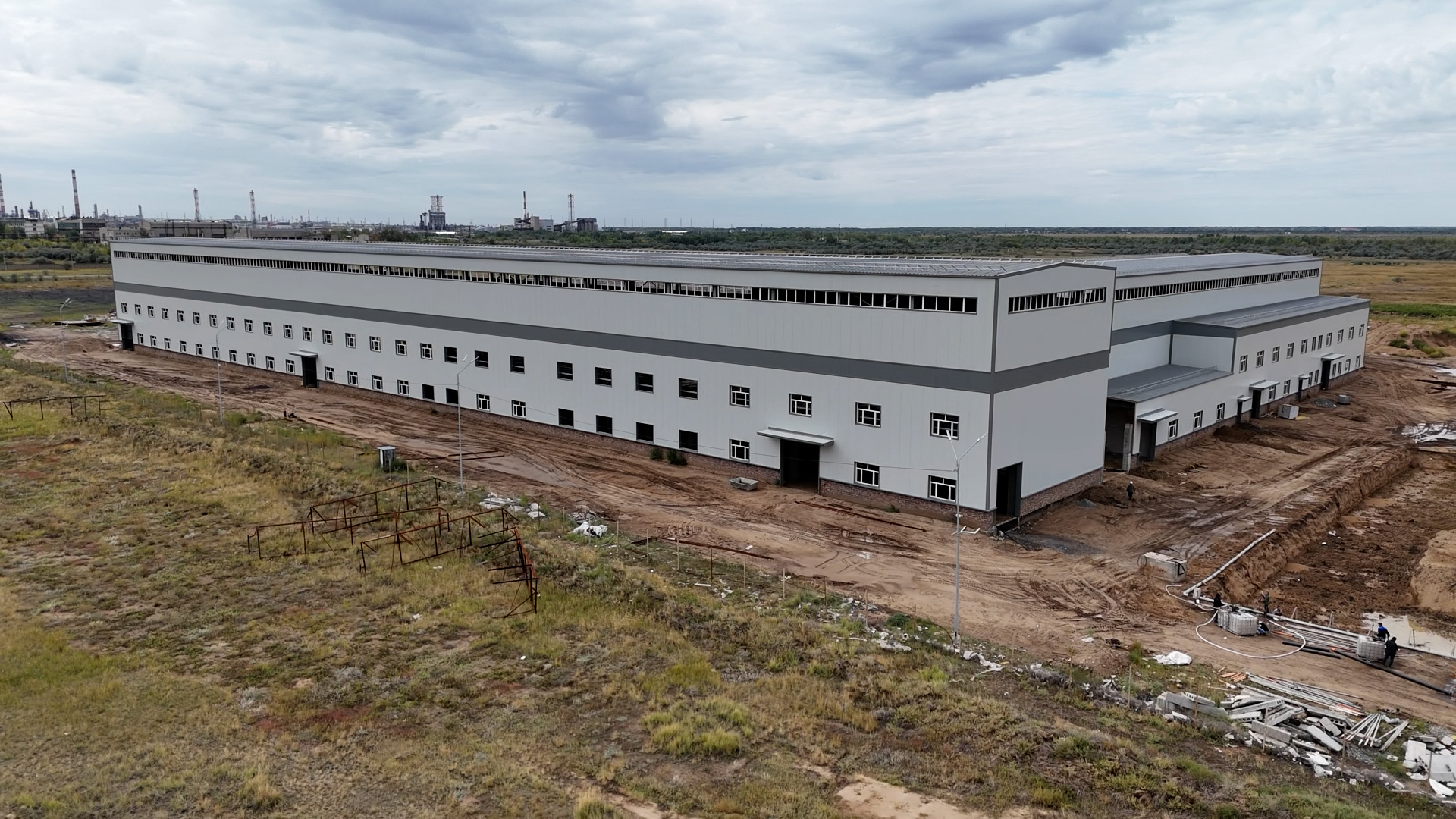
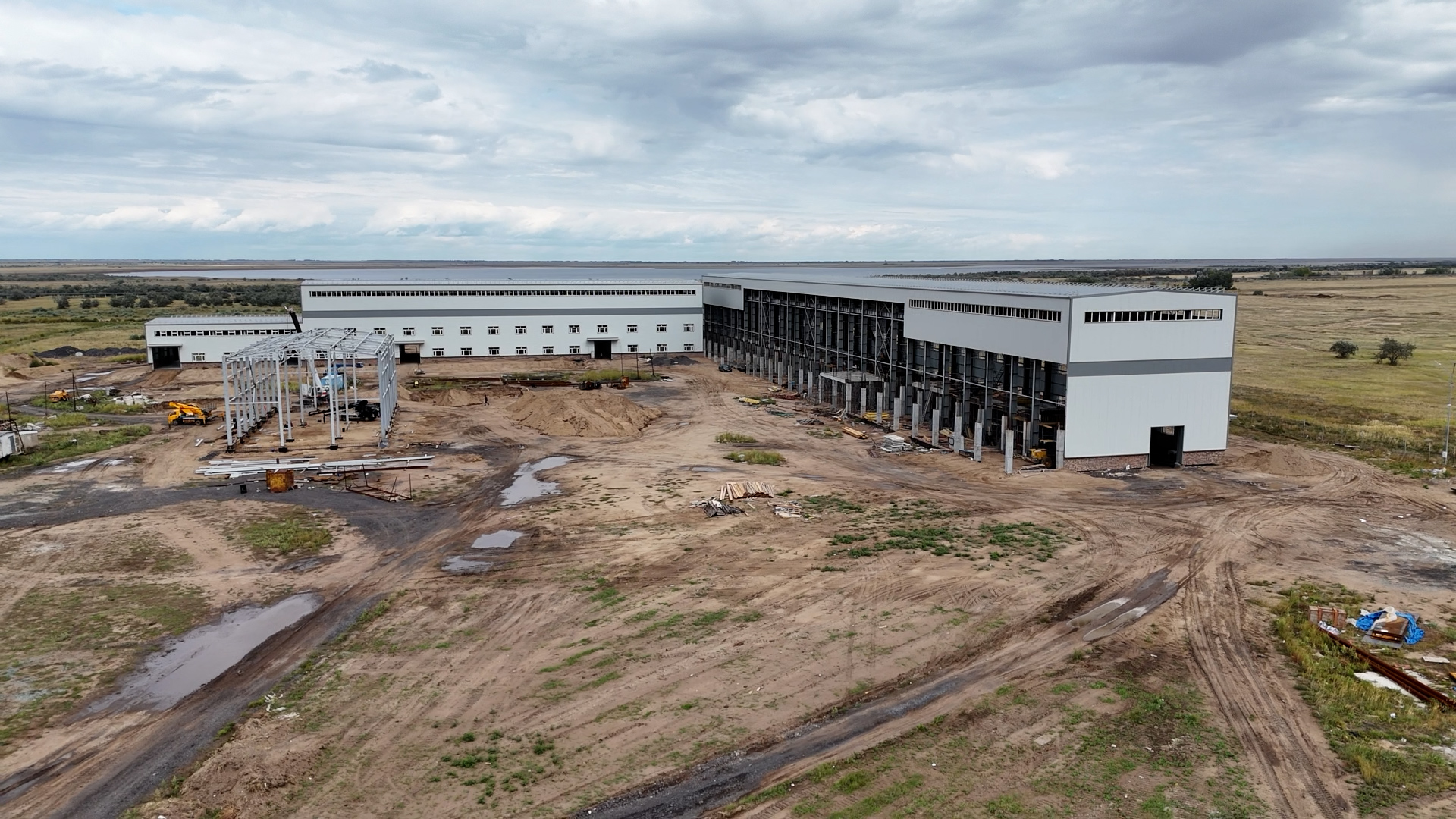
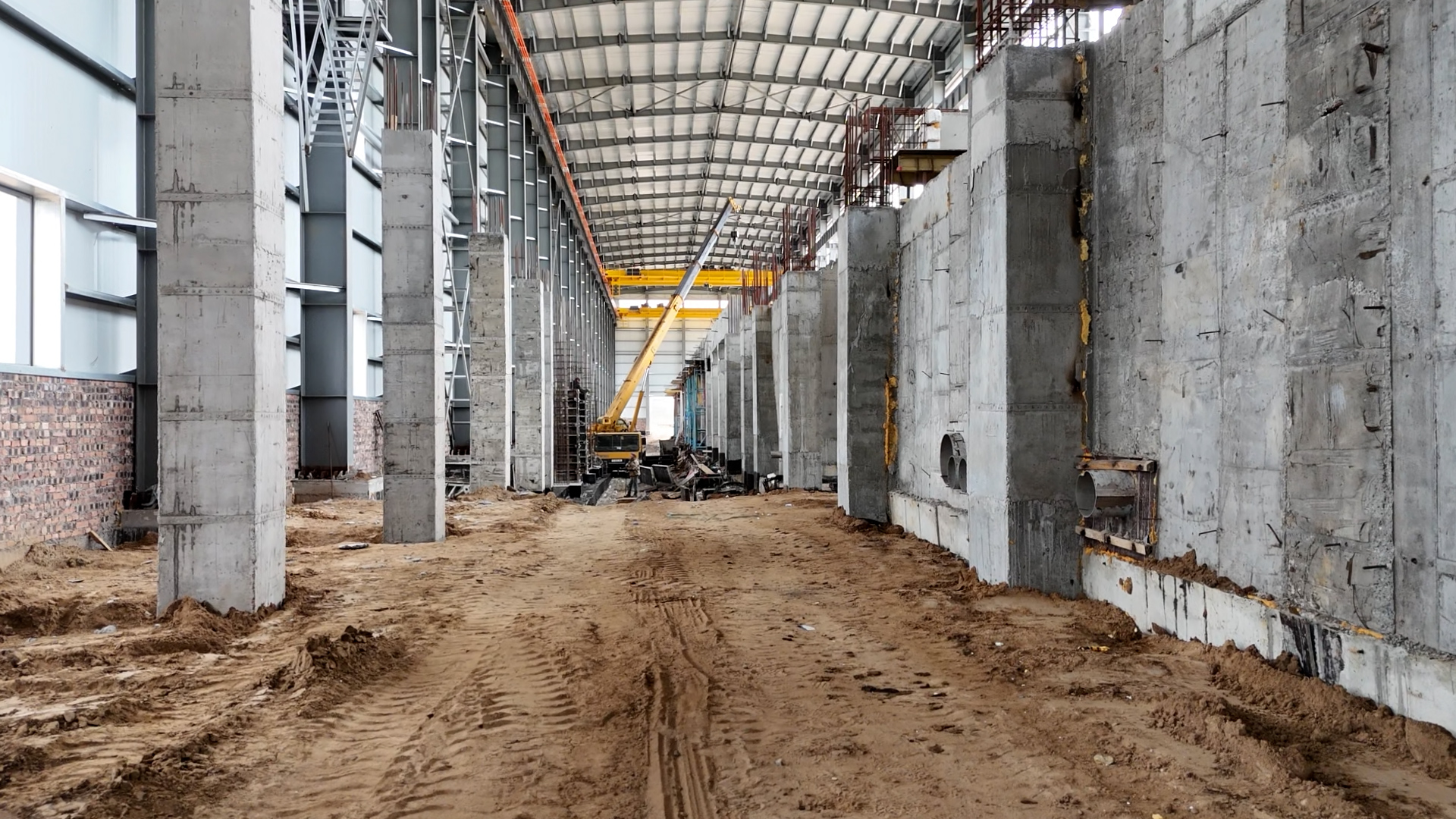
A waste paper recycling project implemented by QazRoyalPak LLP is currently underway in Pavlodar Region. Once the facility reaches its design capacity, it will be able to process up to 75,000 tonnes of paper waste per year.
The total cost of the project is approximately KZT 10.8 billion. The project is financed from utilization fee funds allocated by JSC “Zhasyl Damu”. The allocated funds have been fully disbursed.
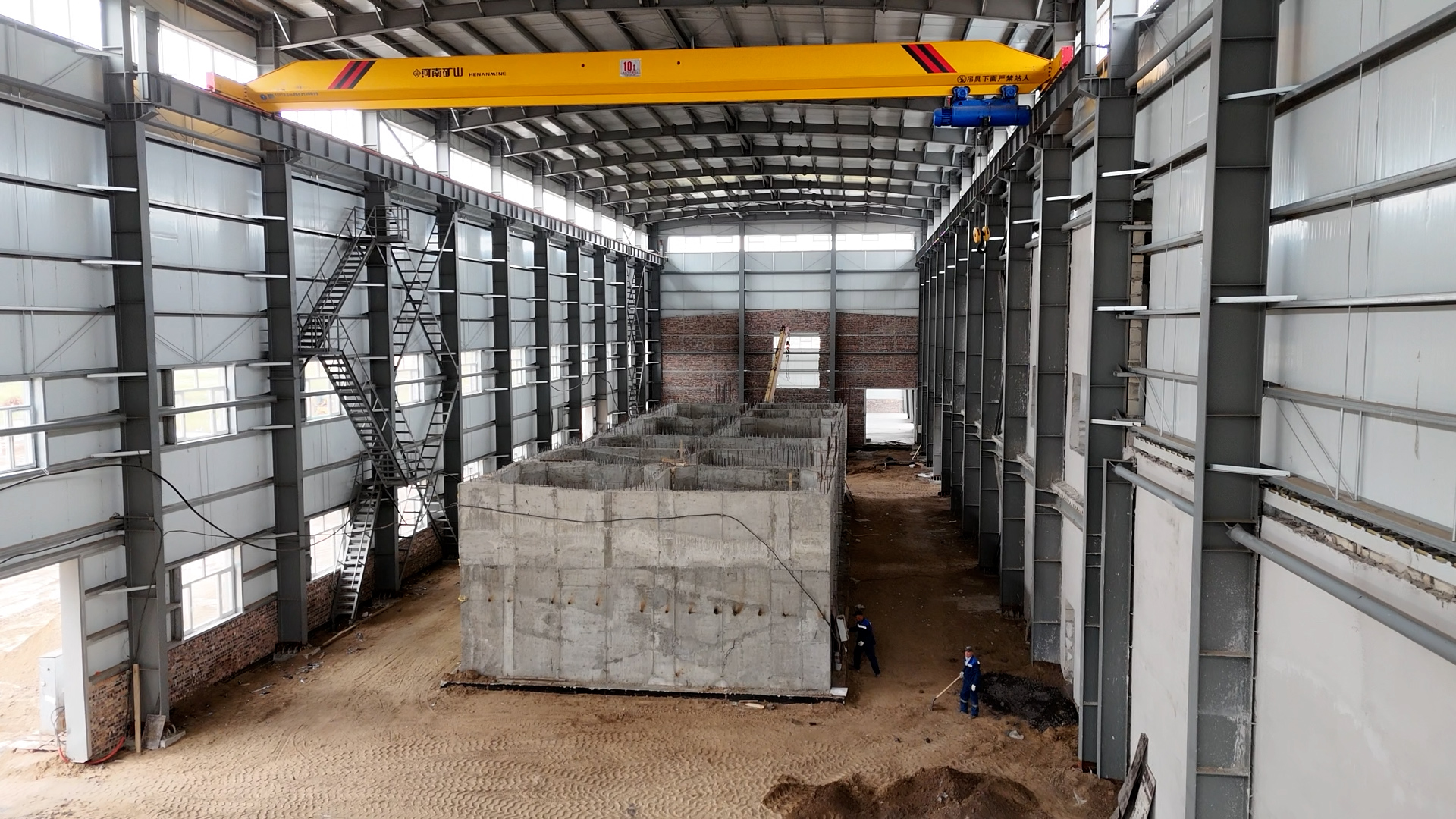
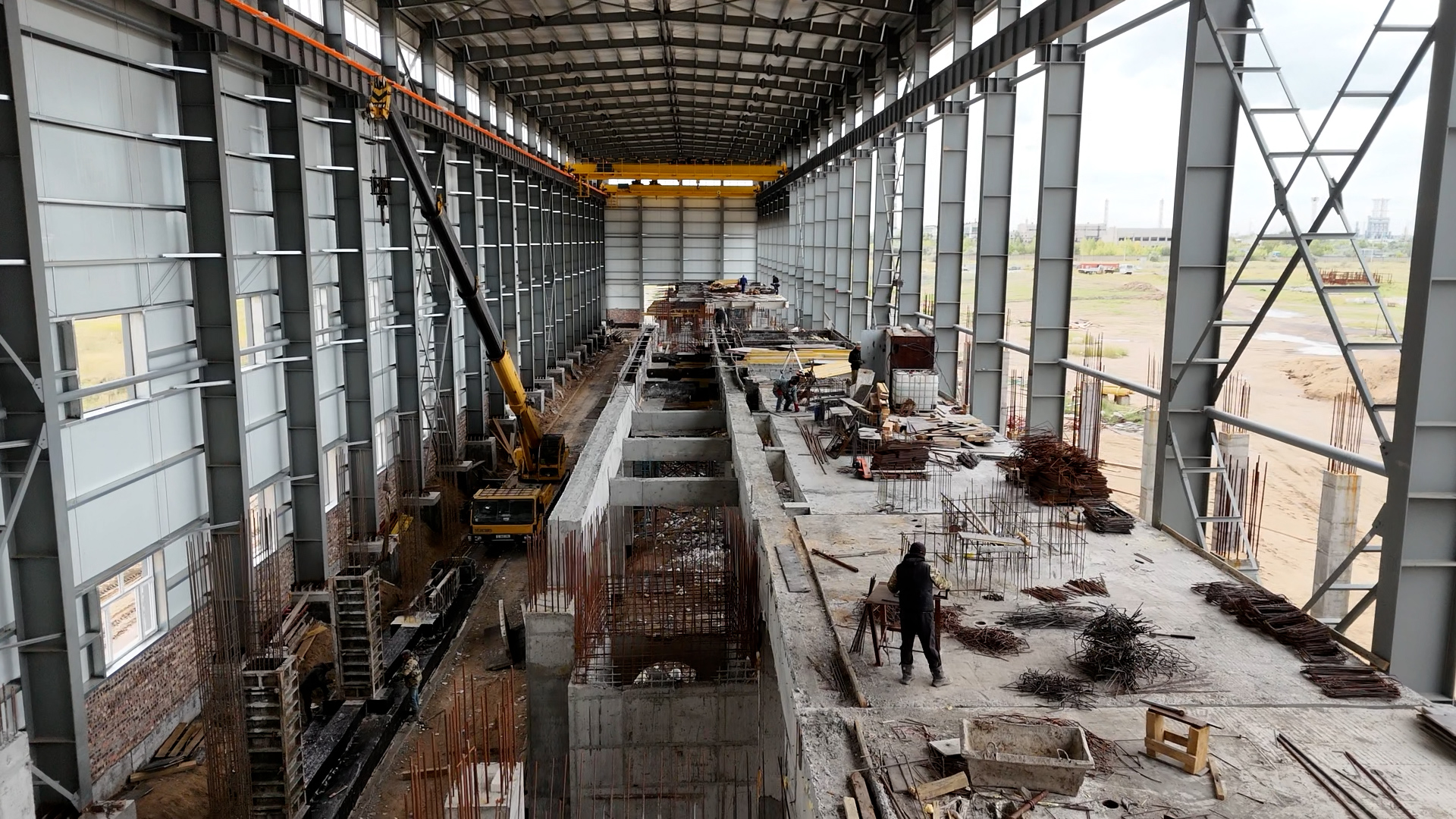
The project is currently being implemented in accordance with the approved schedule. Construction of the production workshops is nearing completion, while foundation works for the installation of equipment are being carried out in parallel. Commissioning of the facility is scheduled for 2028.
According to Gulnara Kaidarova, Director of QazRoyalPak LLP, the implementation of the project will significantly expand the company’s production capacity.
“For us, this project represents an important stage in the development of our production. The increase in capacity will enable us to process significantly larger volumes of waste paper and use secondary raw materials more efficiently within the production cycle,” Gulnara Kaidarova noted.
The implementation of the project will create additional waste paper recycling capacity in Pavlodar Region and increase the volume of paper waste returned to economic circulation.
As a reminder, JSC “Zhasyl Damu” has financed 30 projects totalling approximately KZT 116 billion using utilization fee funds. The implementation of such projects contributes to the development of modern waste management infrastructure, increased recycling volumes, reduced waste disposal at landfills, and greater involvement of secondary raw materials in economic circulation in accordance with the Environmental Code of the Republic of Kazakhstan.

 EcoQolday
 Check payment
 Login to the system
