 share
share
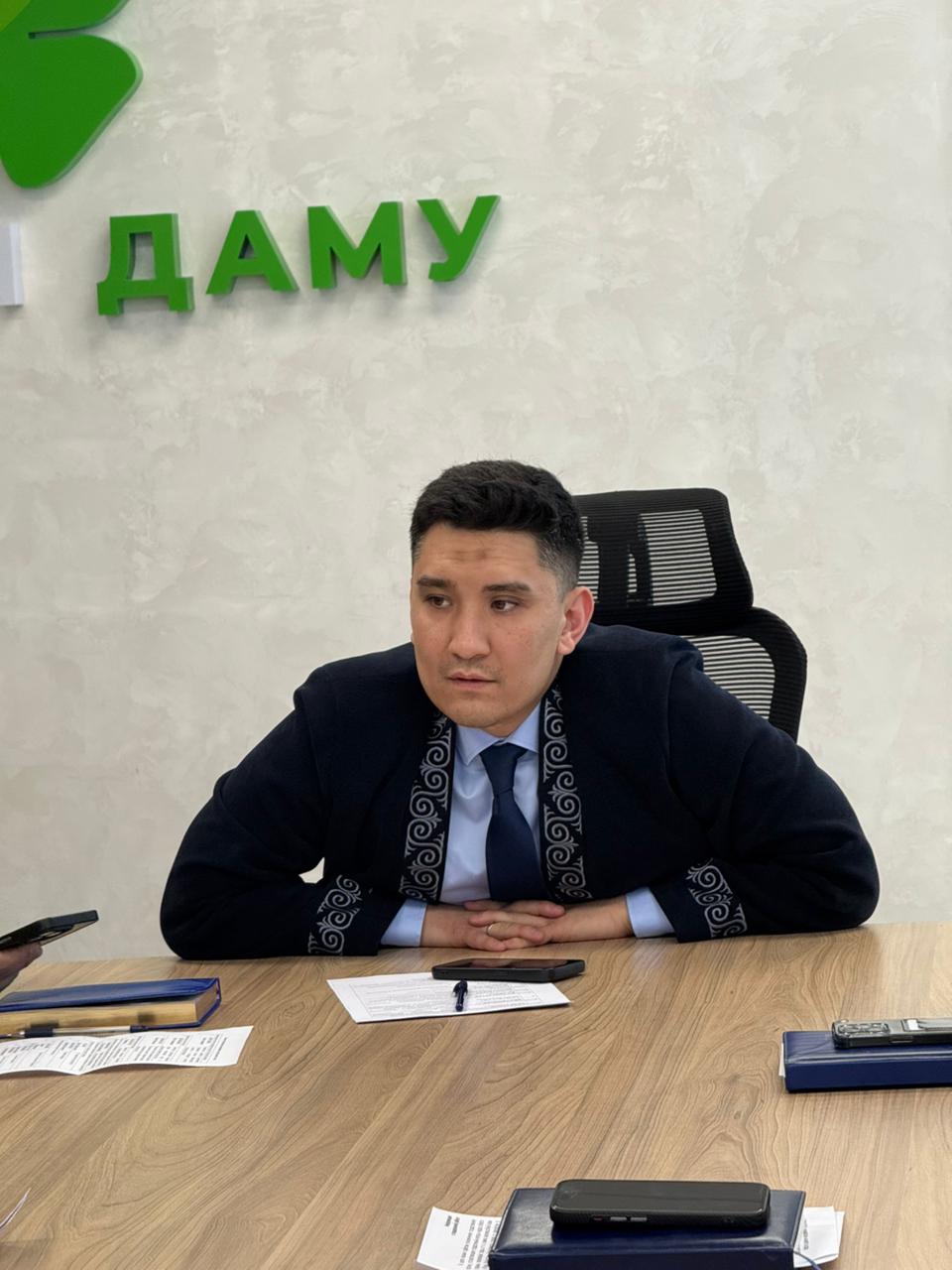
An interagency meeting was held at Zhasyl Damu JSC on the management of construction waste and the prevention of unauthorized dumping within the city of Astana.
The meeting was attended by representatives of the Astana city administration, the State Architectural and Construction Control (GASK), the Ministry of Internal Affairs of the Republic of Kazakhstan (including traffic police), the Department of Environmental Protection and Natural Resources Management, the Department of Public Safety, as well as the Committee for Environmental Regulation and Control of the Ministry of Ecology and Natural Resources.
During the meeting, participants discussed the pressing issue of illegal dumping sites formed as a result of unauthorized disposal of construction waste by private carriers. It was noted that 80–95% of such dumps are formed specifically from construction waste.
Special attention was given to the pilot project on digital monitoring of construction waste movement implemented in Astana. The project is already demonstrating practical results: the entire lifecycle of construction waste—from generation to delivery to designated sites—has been digitized. GPS monitoring and photo verification tools have been introduced to confirm transportation and unloading. To date, more than 5,000 trips have been recorded in the system, and over 88,000 tons of waste—previously untracked—have been transported.
Participants emphasized that the pilot project is still under active development and improvement. Efforts are underway to enhance transparency in the transportation market and to develop a digital service for finding and engaging reliable carriers, which will help reduce service costs and increase competition.
It was noted that even at the current stage, the project is creating a systemic effect: it is becoming more выгодно for carriers to operate within the legal framework, while the risks of detection and penalties for illegal dumping are significantly increasing.
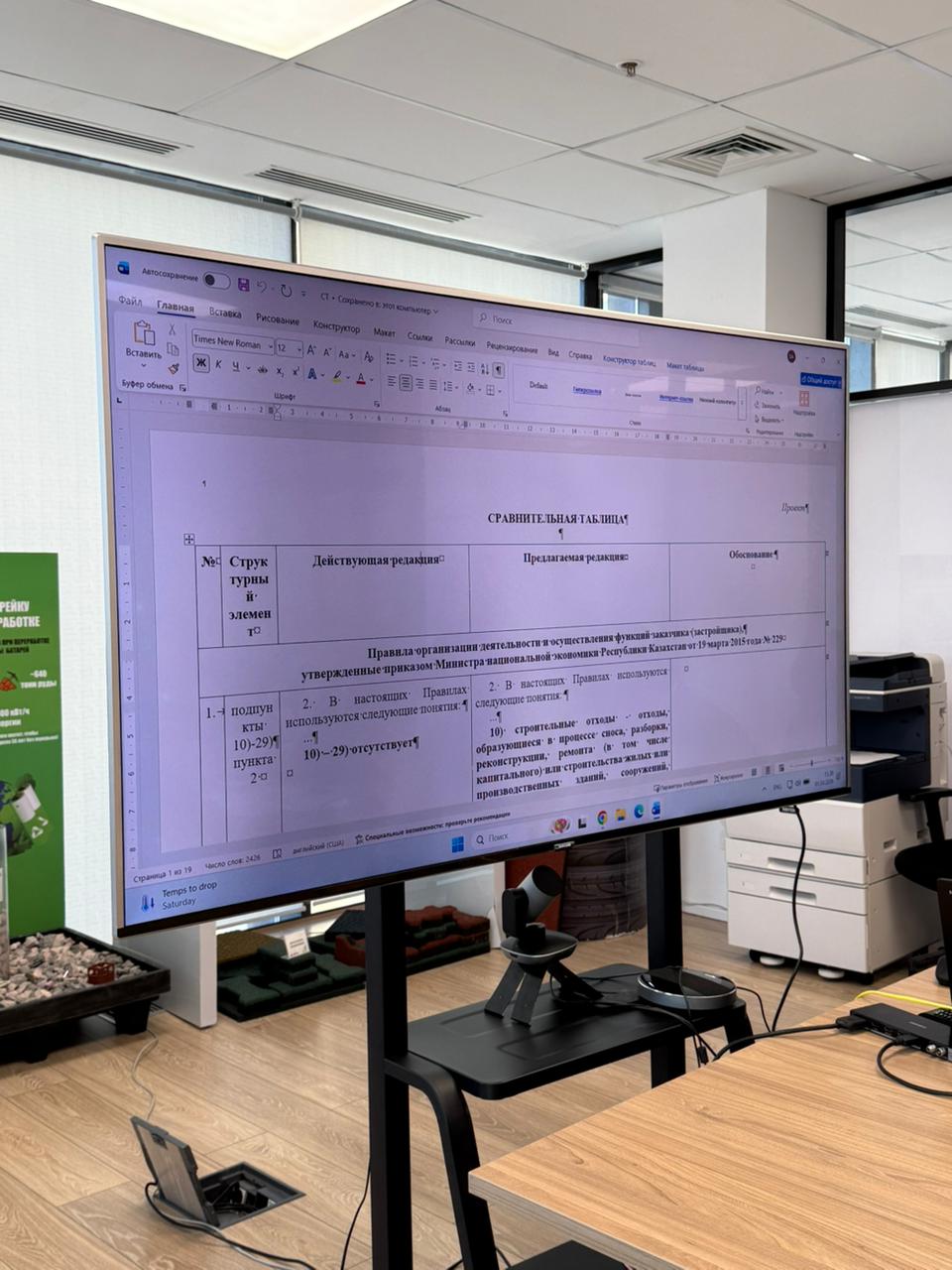
Key proposals developed following the meeting include:
Further digitalization of the sector was identified as a separate priority, including the creation of a unified information system and integration of data from all relevant government bodies.
The meeting concluded that the pilot project in Astana has already proven its effectiveness and is being considered as a basis for scaling nationwide as part of a comprehensive effort to eliminate illegal dumps.


 EcoQolday
 Check payment
 Login to the system
