 share
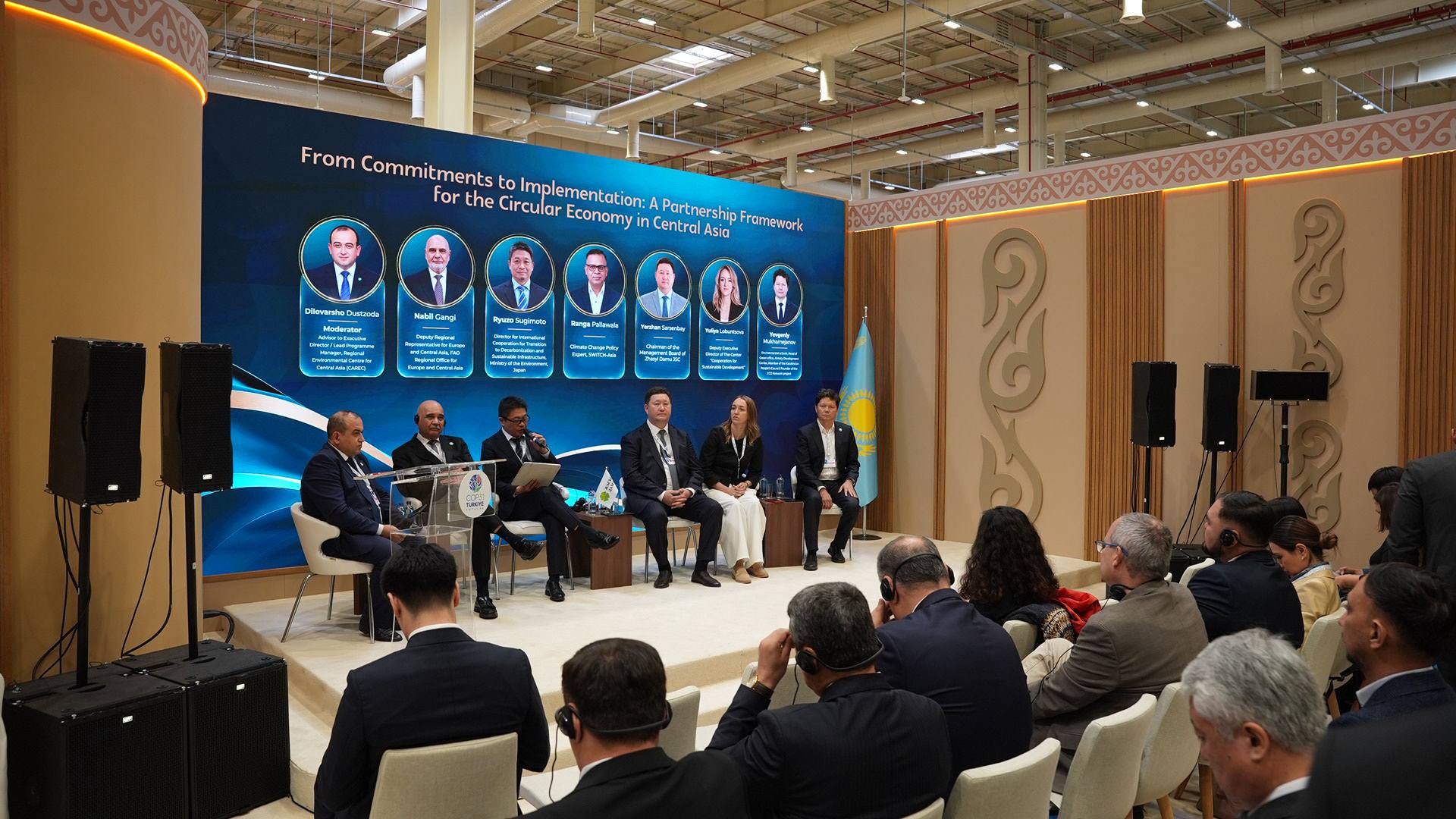
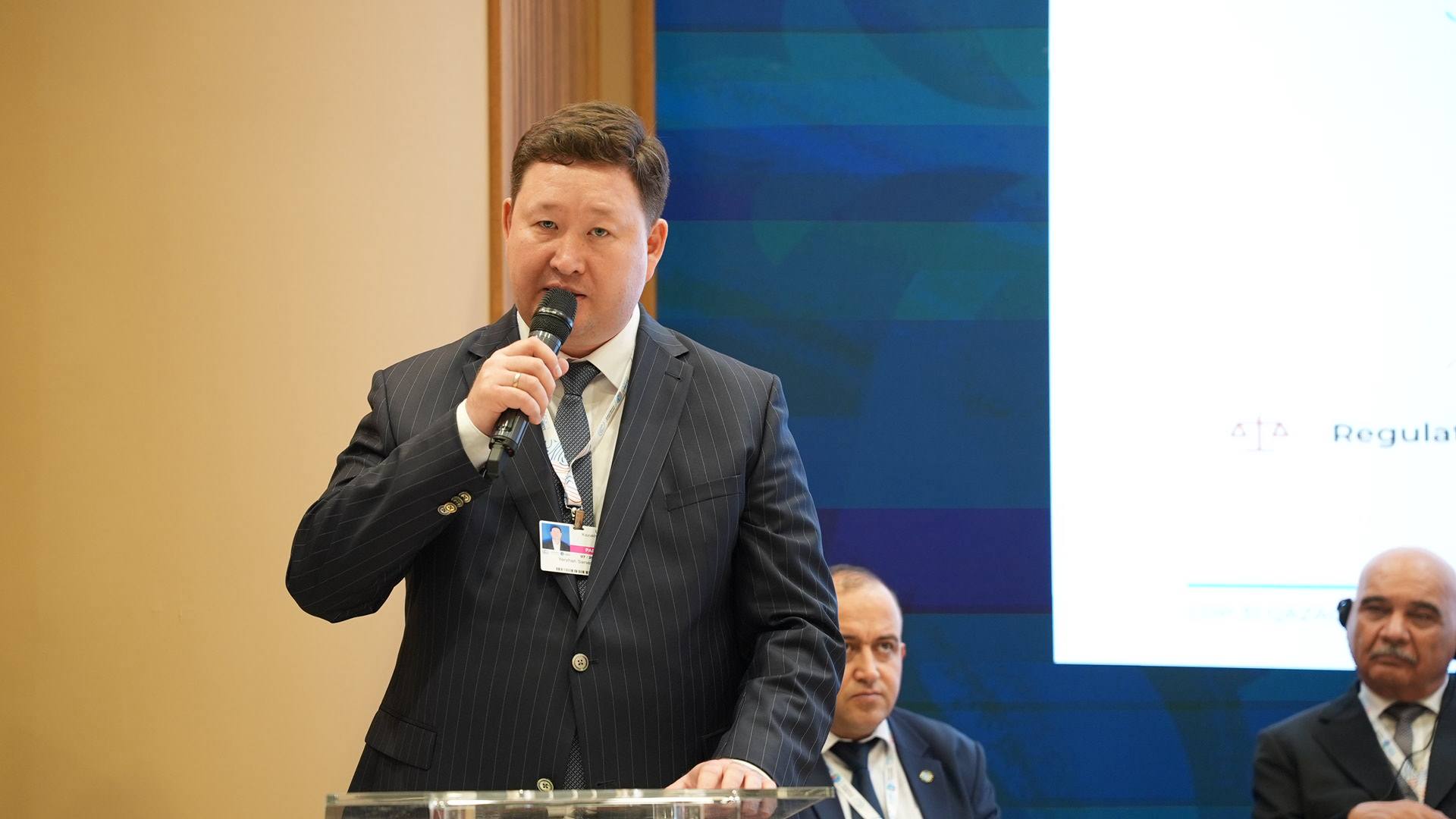
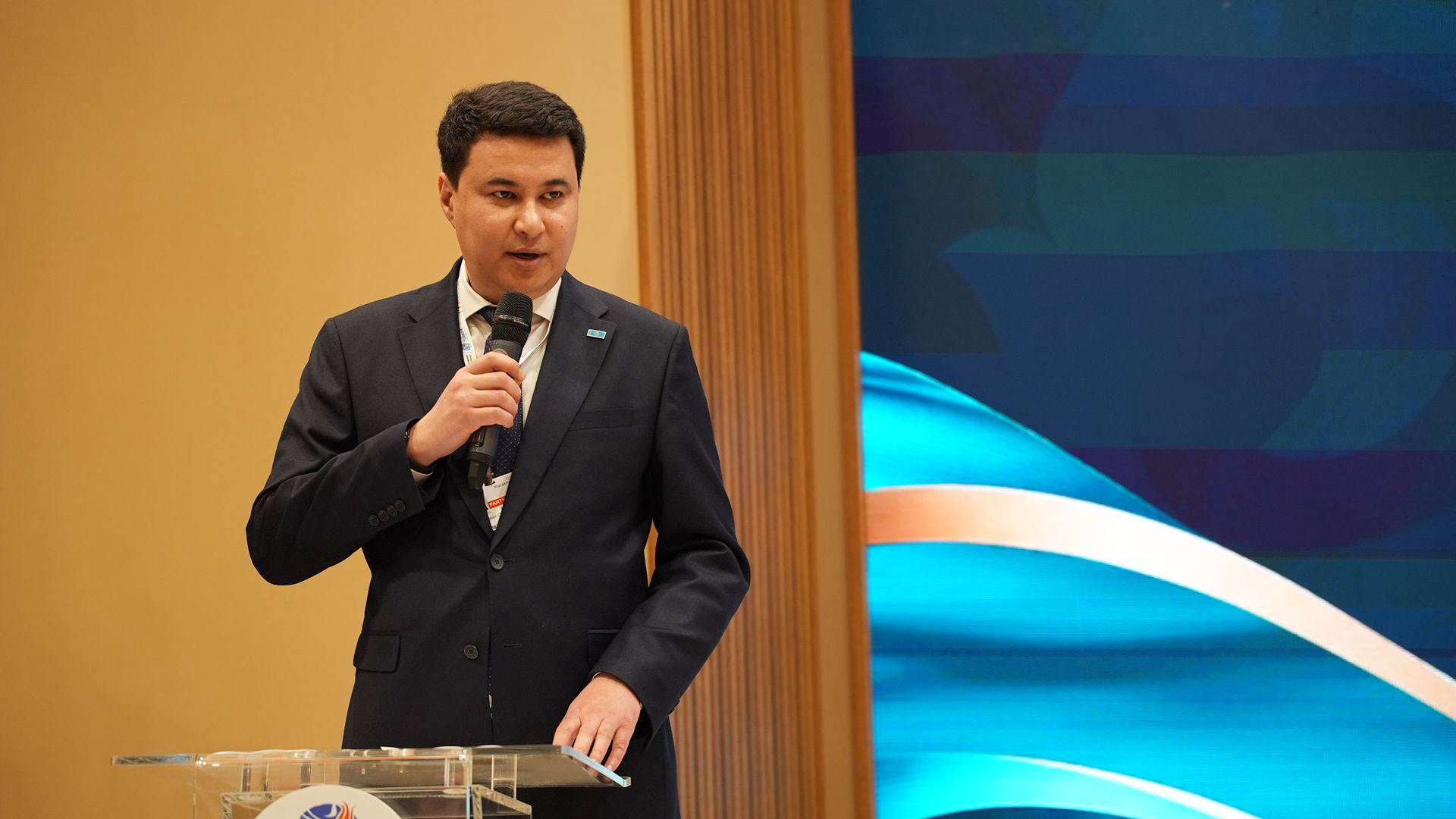
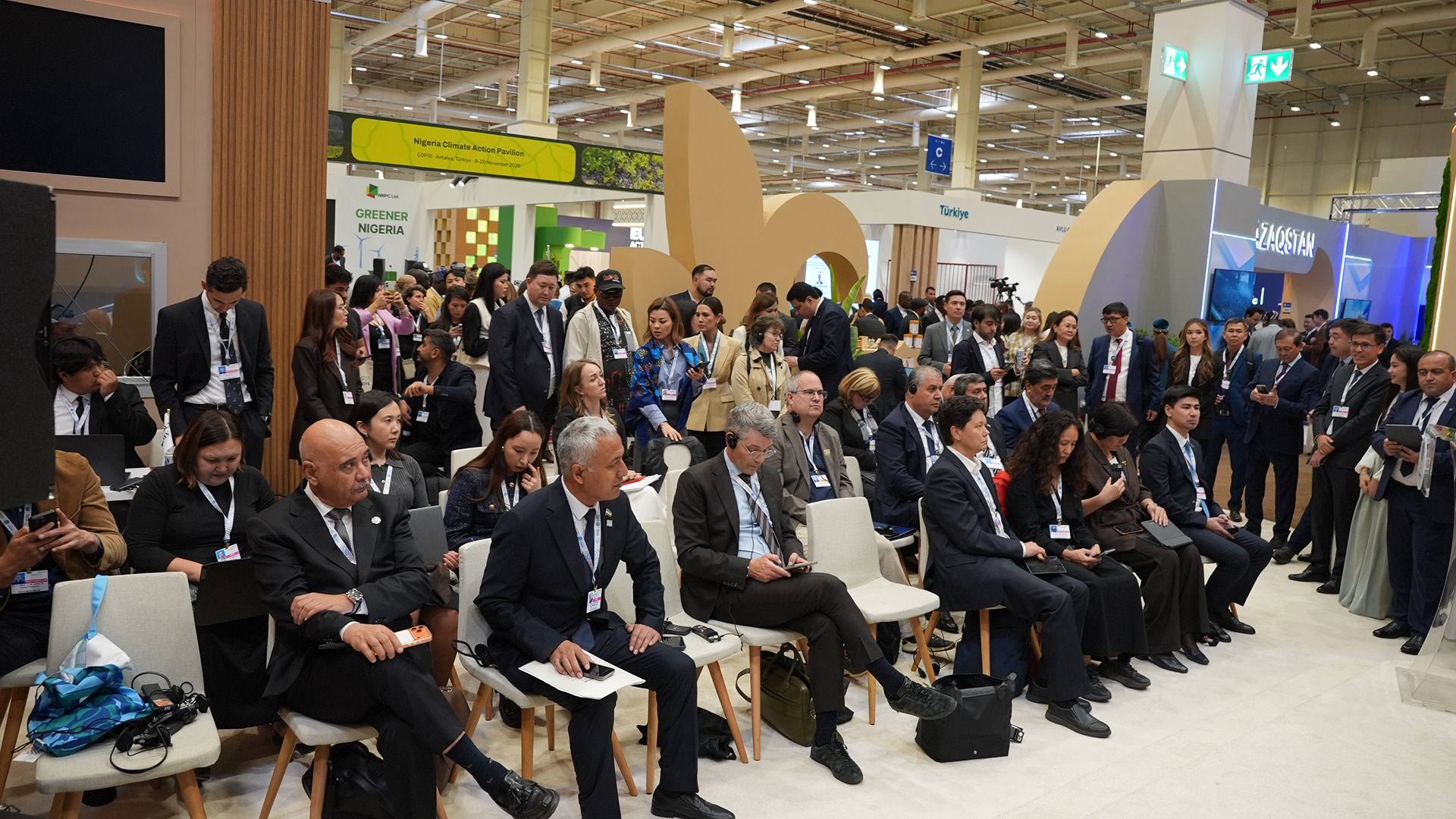
In Antalya, Türkiye, Yerzhan Sarsenbay, Chairman of the Management Board of Zhasyl Damu JSC, addressed the panel session “From Commitments to Implementation: A Partnership Framework for the Circular Economy in Central Asia,” held as part of the 31st United Nations Climate Change Conference (COP31). At Kazakhstan’s National Pavilion, he presented key priorities for developing the circular economy, plans to digitalise the waste management system, and mechanisms for attracting investment in the recycling industry.
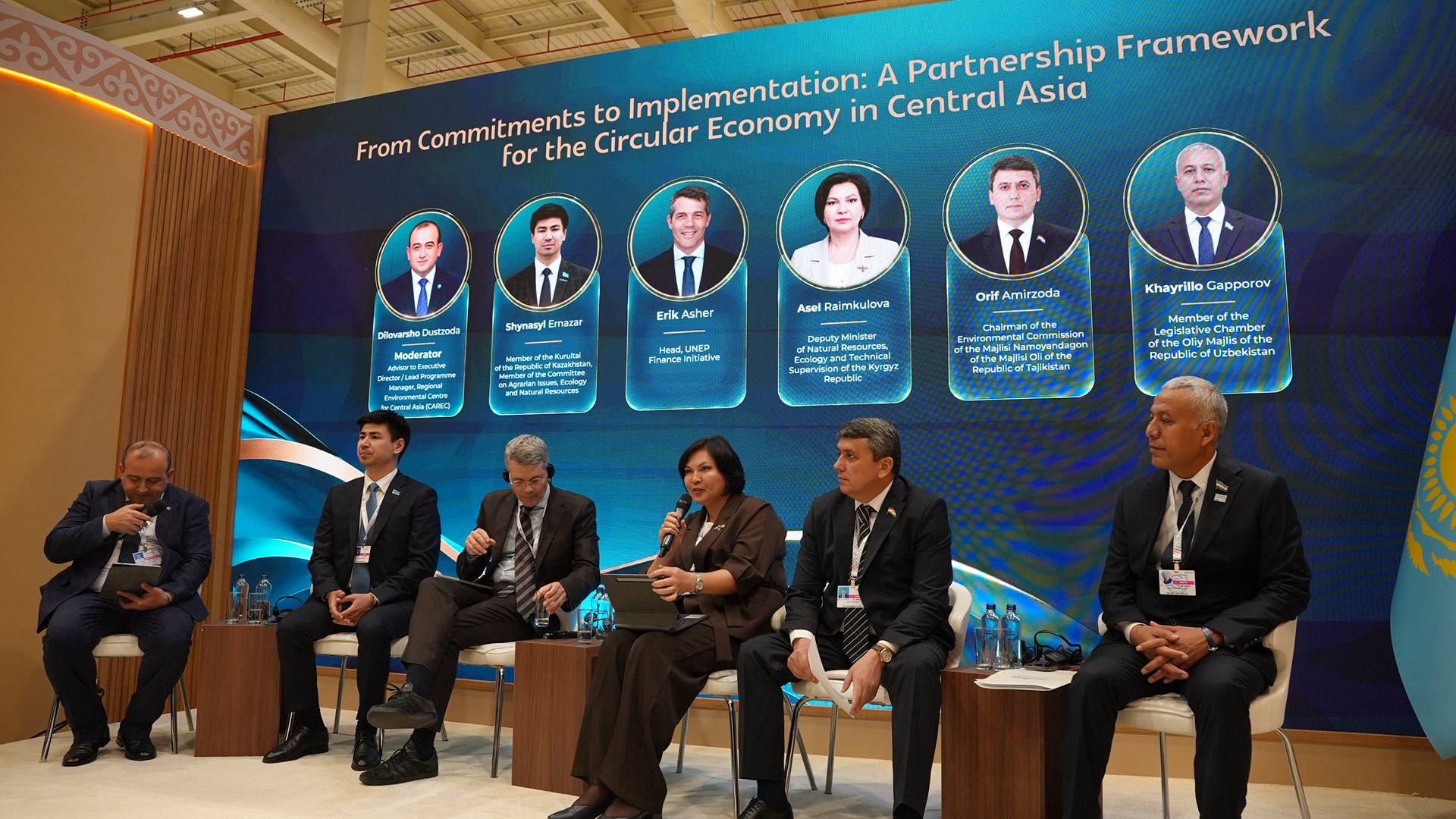
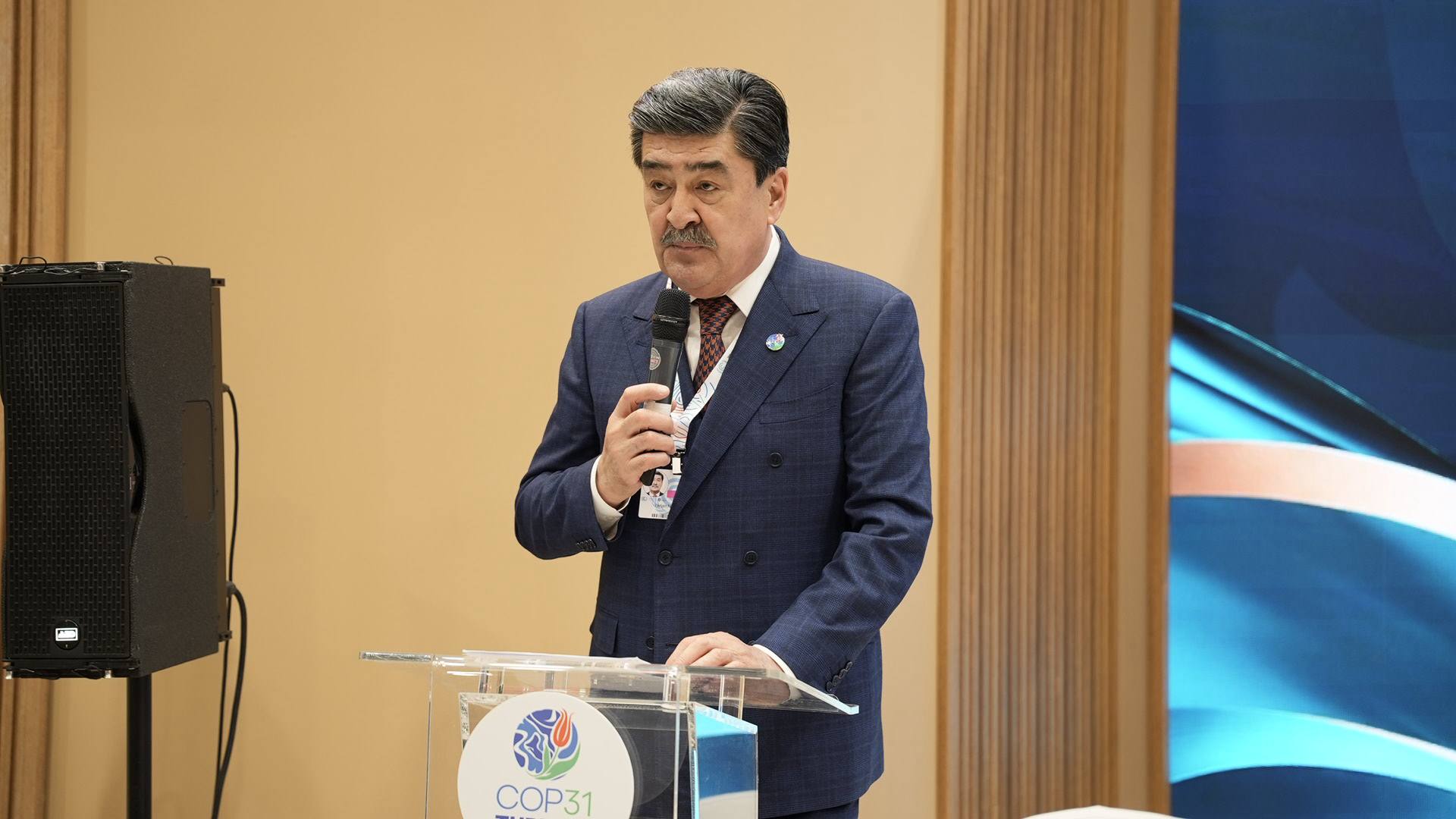
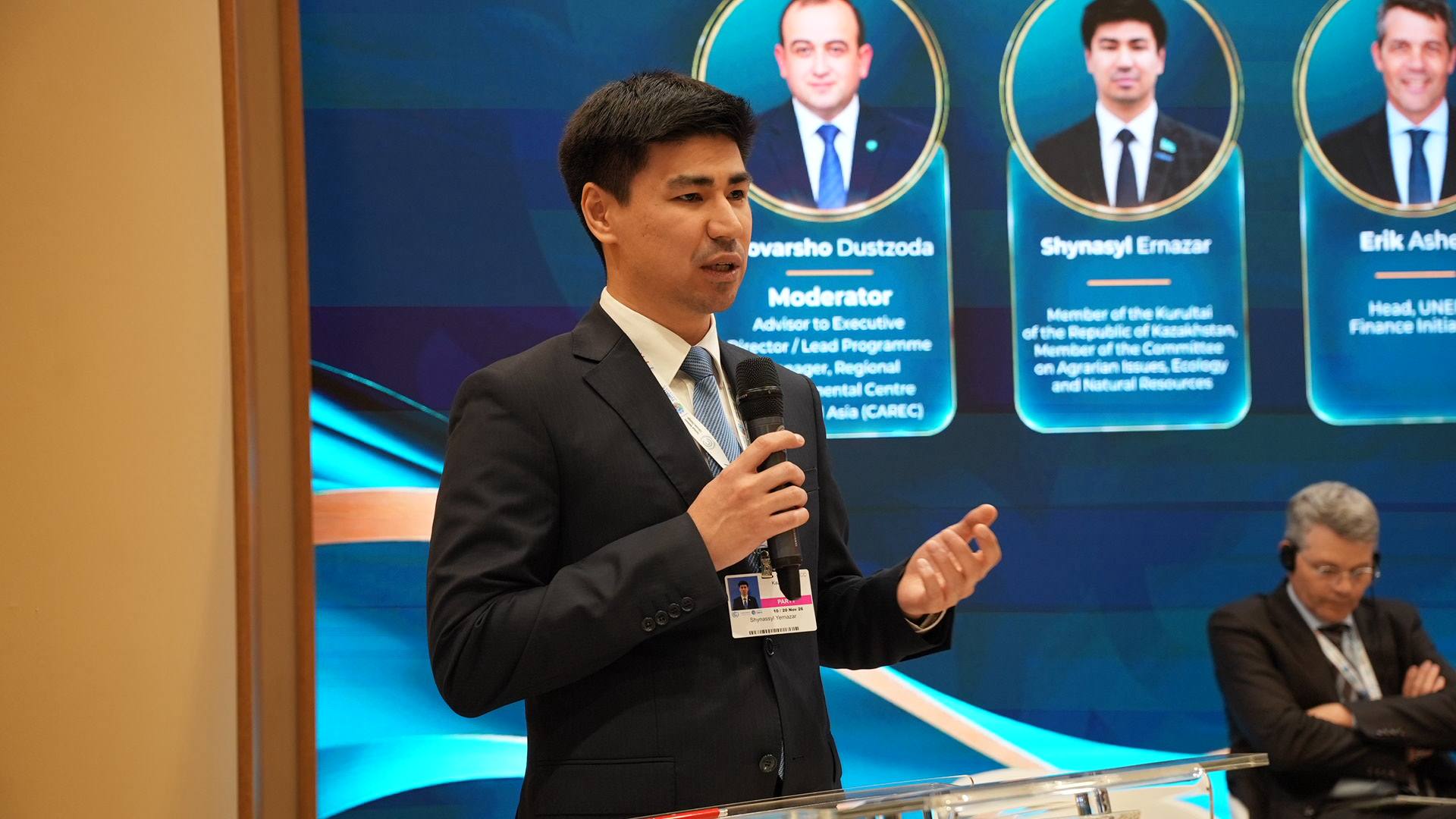
The panel also featured contributions on a range of environmental issues from Shynasyl Yernazar, a member of the Kurultai of the Republic of Kazakhstan; Mansur Oshurbayev, Vice Minister of Ecology and Natural Resources of the Republic of Kazakhstan; Yerlan Nyssanbayev and Yedil Zhanbyrshin, members of Halyk Kenesi; and Ruth Zugman, Deputy Director of the Climate Change Division of the United Nations Environment Programme (UNEP). Representatives of Kyrgyzstan, Tajikistan, Uzbekistan, Japan and other countries, as well as experts, also participated in the discussion. Participants discussed the development of the circular economy, the exchange of experience and the strengthening of regional cooperation.
In his remarks, Yerzhan Sarsenbay noted that Kazakhstan is steadily transitioning towards an economic model based on efficient resource use, waste reduction and the return of waste materials to the production cycle.
One of the key areas of this work is the implementation of the Concept for the Management of All Types of Waste for 2026–2030. As part of efforts to establish a unified system for managing the sector, Zhasyl Damu JSC was designated the National Waste Management Centre in 2026.
The new approach provides for comprehensive accounting of municipal, industrial, construction, agricultural and other types of waste, as well as the development of digital tools to monitor waste flows and assess recycling potential.
In particular, a national waste inventory is planned for completion by 2028. Building on this inventory, a unified digital system incorporating artificial intelligence will be developed to track waste from the point of generation through to recycling or safe disposal.
Plans also include the development of a national investment map showing the volumes of available secondary raw materials, existing recycling capacity and promising opportunities for establishing new production facilities.
“Our task is to move from fragmented data and separate solutions to a comprehensive picture of resource flows. Investment and infrastructure decisions must be based on objective information,” Yerzhan Sarsenbay emphasised.
The presentation also highlighted progress in the recycling industry. Kazakhstan generates approximately 5 million tonnes of municipal waste annually. The share of waste sorted and recycled increased from 15% in 2019 to 30.6% in 2025. By 2030, Kazakhstan aims to increase the share of municipal waste recycled to 40%.
To achieve these targets, Kazakhstan is implementing investment projects to develop waste collection, sorting and recycling infrastructure. The current project portfolio has a total value of approximately US$1 billion. These projects will expand recycling capacity and create more than 5,000 new jobs.
Alongside these efforts, the EcoQolday digital programme provides financial support to companies engaged in collecting and recycling certain types of waste. Since August 2024, payments to programme participants have totalled US$13 million.
Concluding his remarks, the Chairman of the Management Board of Zhasyl Damu JSC stressed the importance of international cooperation in developing the circular economy. He highlighted the particular importance of sharing technologies and practical experience, attracting investment, and implementing joint projects involving Central Asian countries and international partners.
Developing such partnerships will help expand opportunities for the recycling industry, improve resource efficiency and establish new production links across the region.

 EcoQolday
 Check payment
 Login to the system
