 share
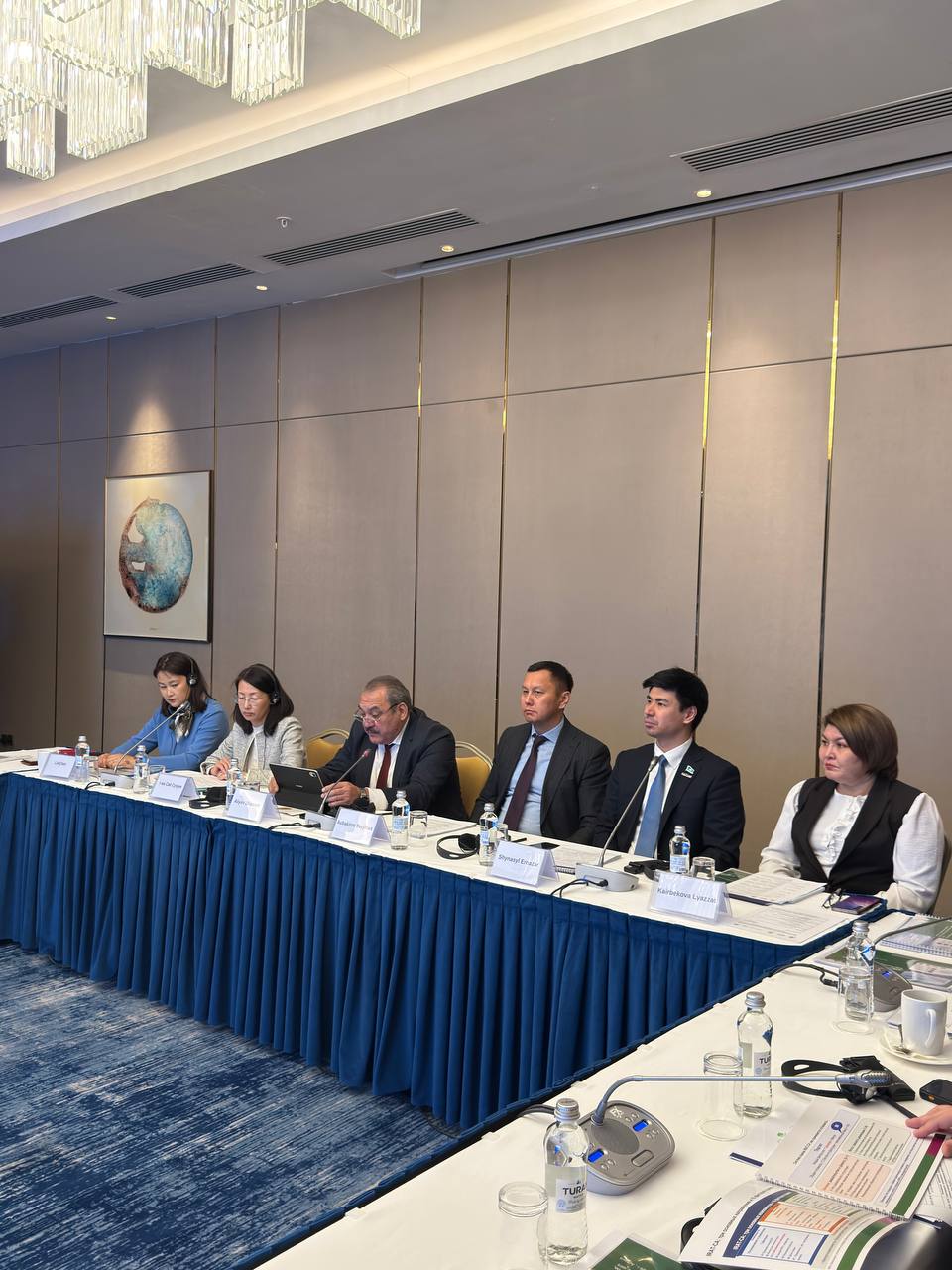
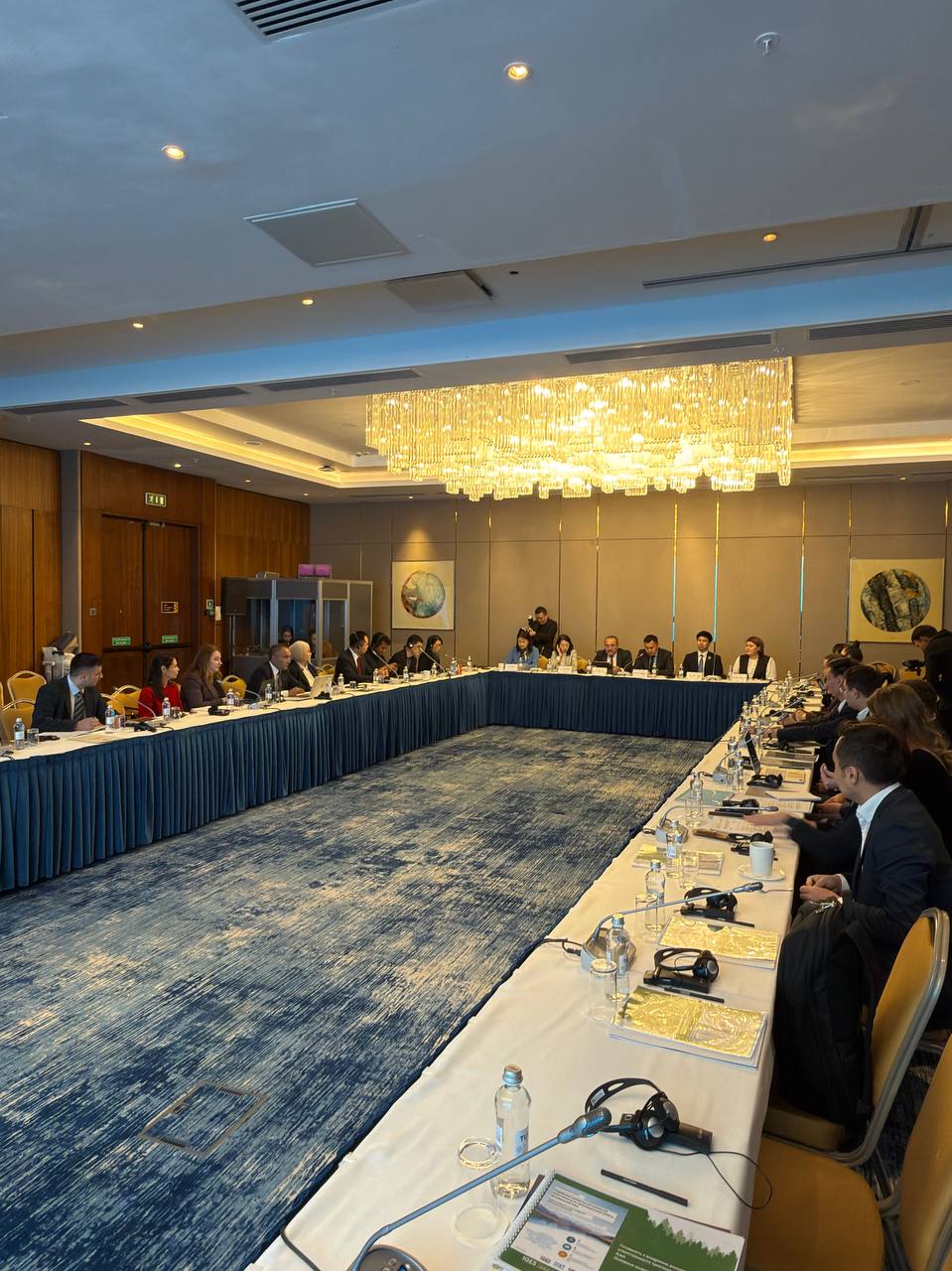
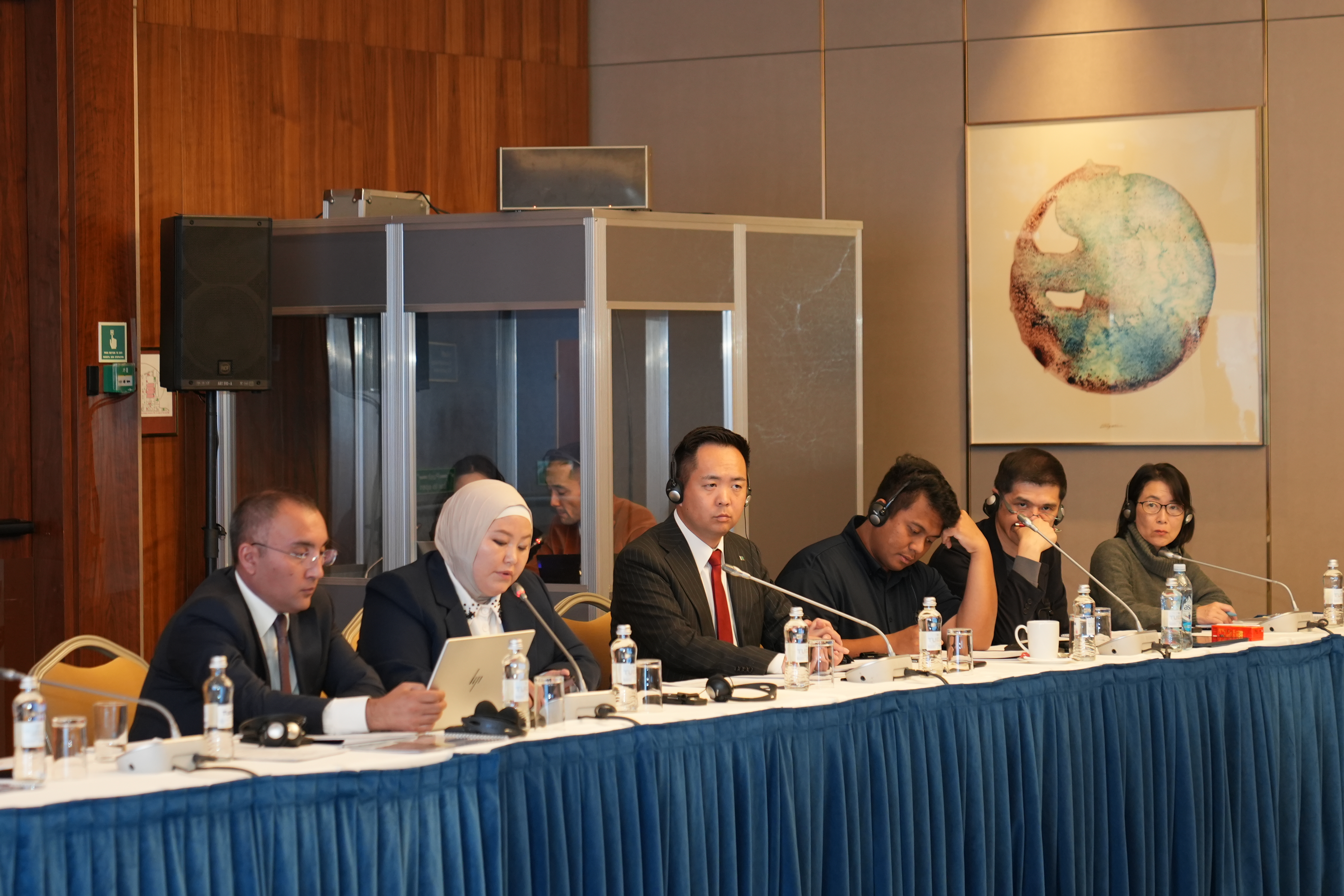
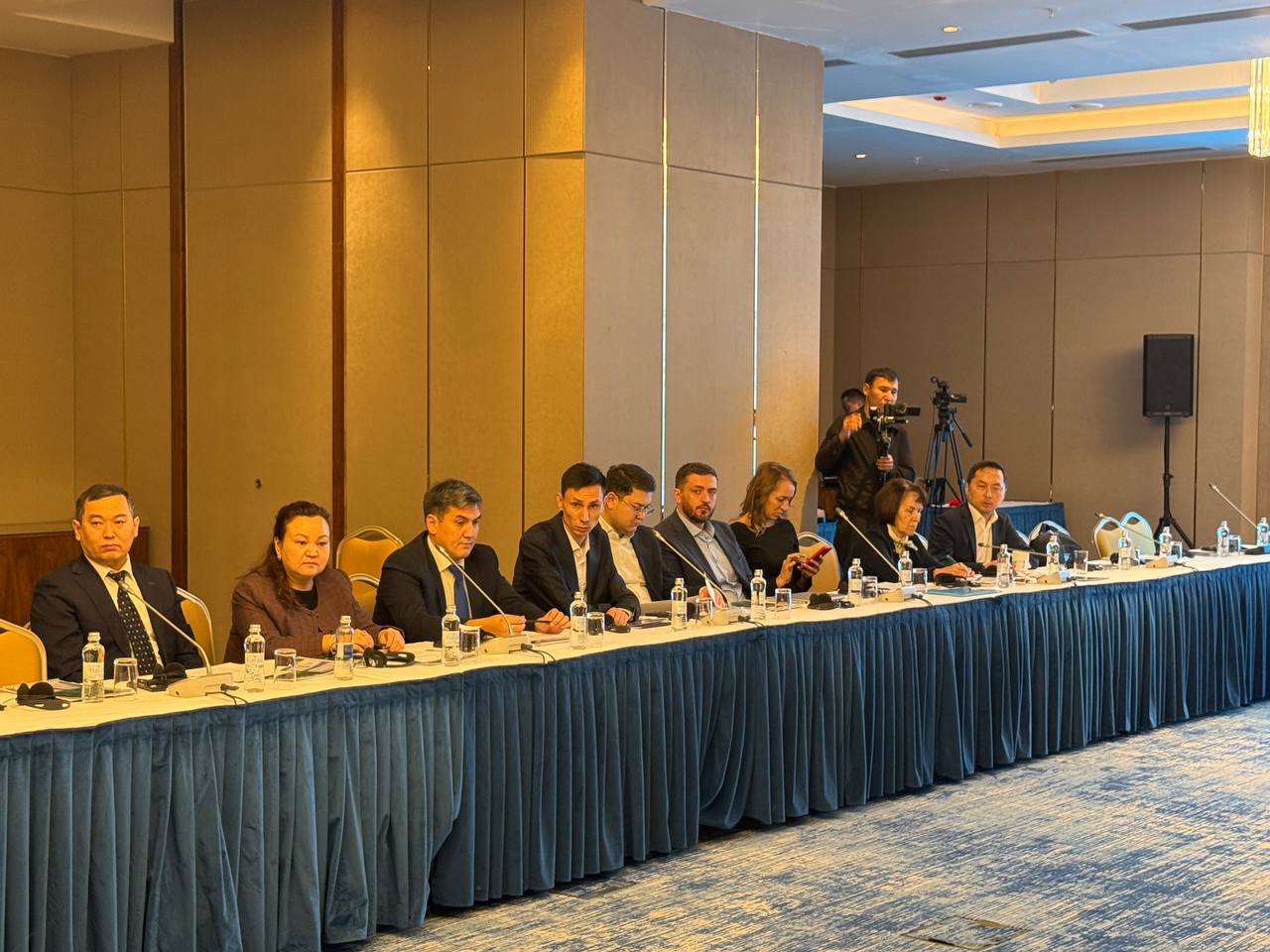
A regional seminar titled “Towards a Circular Economy in Central Asia: Strengthening Extended Producer Responsibility Systems, Developing Recycling Infrastructure, and Building Partnerships with Business” was held in Astana. Participants discussed mechanisms to support the industry, the reintegration of secondary resources into the economy, and cooperation between governments, businesses, and international organizations.
The event was organized by the Kazakhstan Packaging Association in cooperation with the Institute for Global Environmental Strategies of Japan (IGES) and the Association of Secondary Raw Materials Recyclers of Kazakhstan, with the support of the Ministry of Ecology and Natural Resources of the Republic of Kazakhstan and Bank CenterCredit JSC.
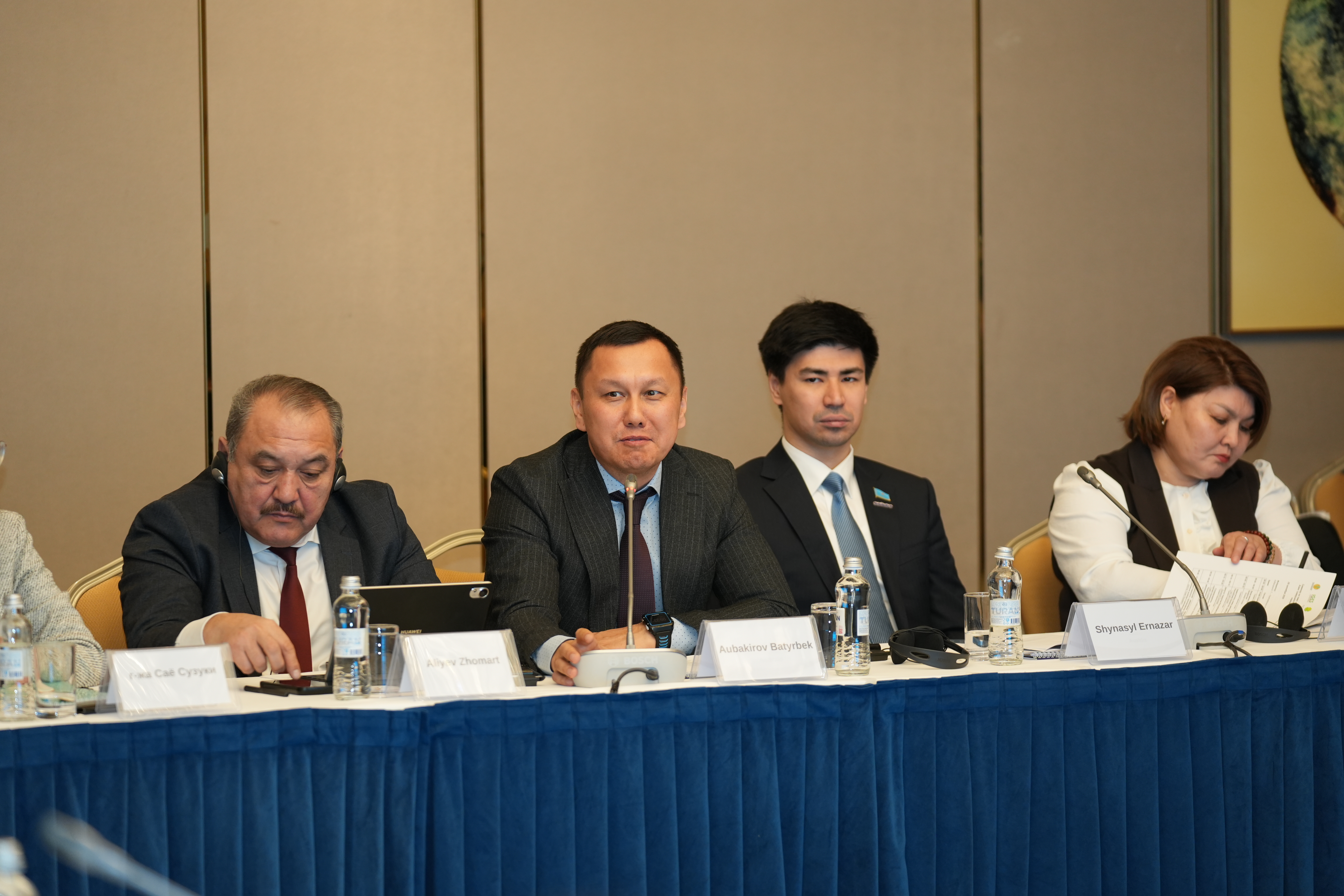
The seminar was attended by Vice Minister of Ecology and Natural Resources of Kazakhstan Zhomart Aliyev, Member of the Kurultai of the Republic of Kazakhstan Shynasyl Yernazar, Managing Director of Zhasyl Damu JSC Yerbol Bayuzakov, as well as representatives of government agencies from Central Asian countries, Japan, international organizations, industry associations, and businesses.
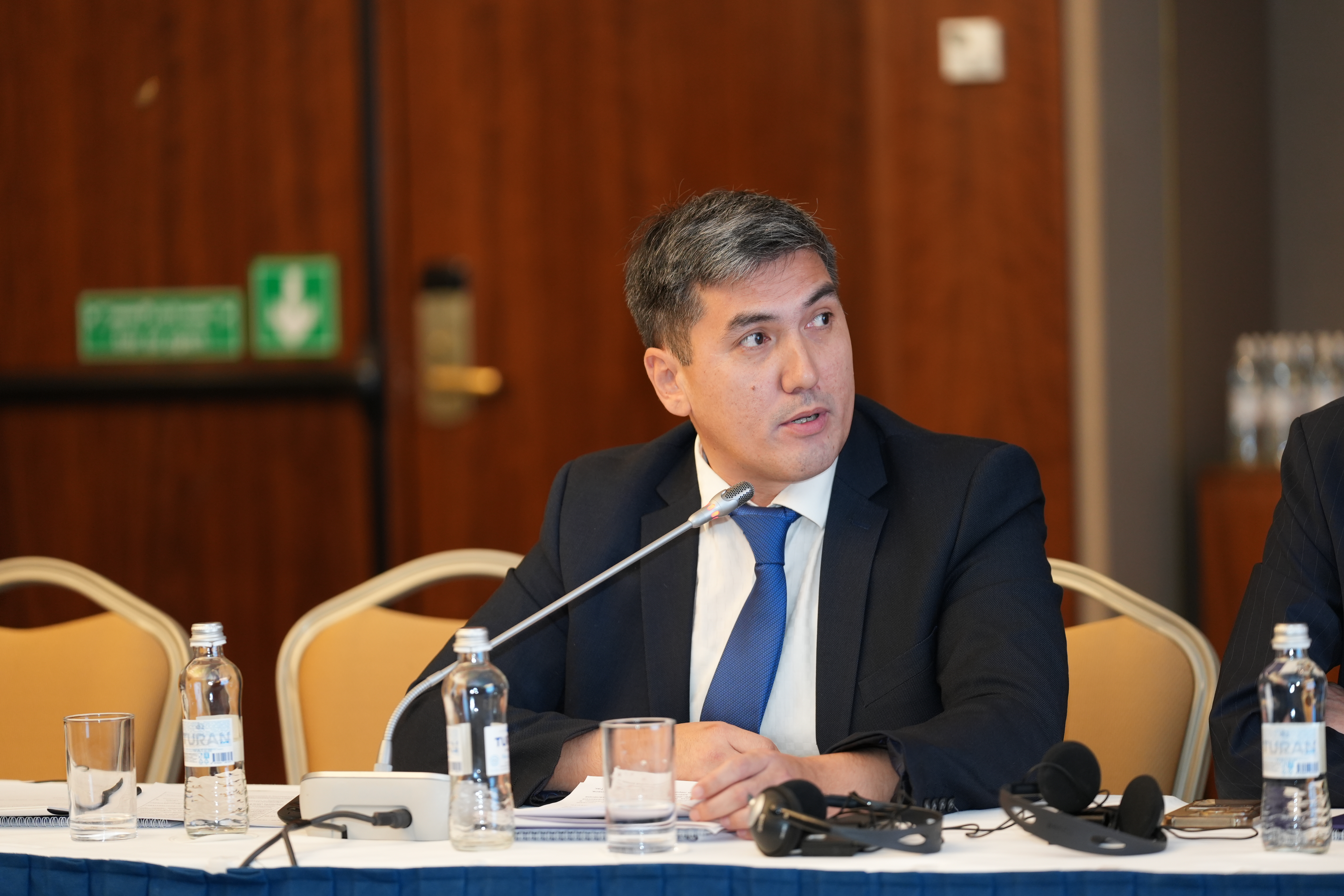
Yerbol Bayuzakov presented Kazakhstan's practical experience in implementing Extended Producer Responsibility (EPR) mechanisms. In his speech, he highlighted two interconnected instruments supporting the industry: the EcoQolday program, which encourages the collection and transfer of waste for recycling, and concessional financing through the Industrial Development Fund JSC, which enables the establishment and modernization of production facilities.
Under the concessional financing mechanism, KZT 185 billion in recycling fee revenues has been allocated for the development of waste management infrastructure. Businesses can access financing at an annual interest rate of 3% for a period of 3 to 15 years, provided that investors contribute at least 20% of the project cost from their own funds. The financing is directed toward the establishment of waste sorting facilities, recycling plants, and the purchase of specialized equipment.
Another key area of support for existing enterprises is the EcoQolday program. Since its relaunch in 2024, a total of 113 agreements have been concluded with waste collection companies, recycling enterprises, and integrated waste management operators. During this period, 180,400 tonnes of waste have been directed for recycling, while total payments to program participants have reached nearly KZT 6 billion. In the first nine months of 2026, approximately 120,000 tonnes of waste were directed for recycling, almost 2.5 times the volume recorded for the entire year of 2025.
In addition to supporting the recycling industry, funds allocated under other areas of Zhasyl Damu JSC's activities are used to renew public transport fleets, agricultural and specialized machinery, and to support the purchase of domestically manufactured vehicles.
The company's future priorities include developing waste collection, sorting, and recycling infrastructure, expanding enterprise participation in the EcoQolday program, and establishing a sustainable market for secondary raw materials. Particular attention will be paid to digital waste accounting and traceability, encouraging public participation in separate waste collection, and attracting investment to the industry.
The discussion of these instruments formed part of a regional exchange of experience on the transition to a circular economy, in which waste is returned to production as raw material, creating opportunities for the development of new enterprises and more efficient use of resources.
 EcoQolday
 Check payment
 Login to the system
