 share
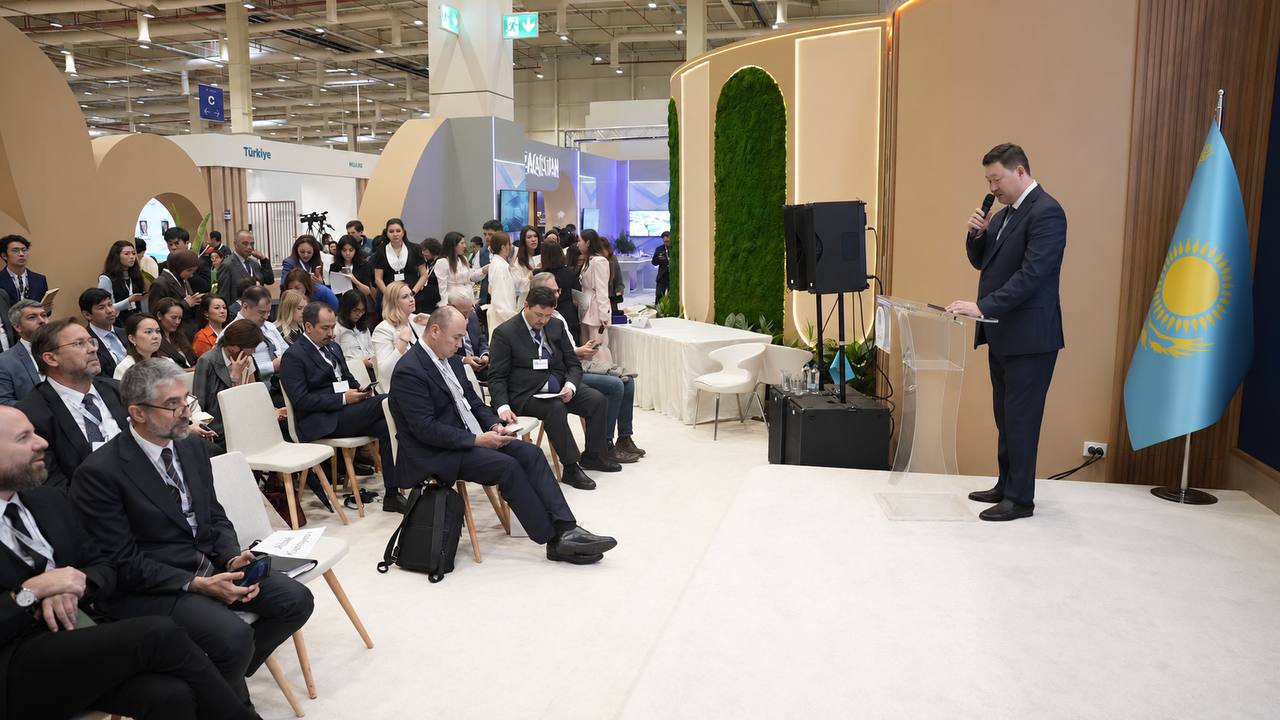
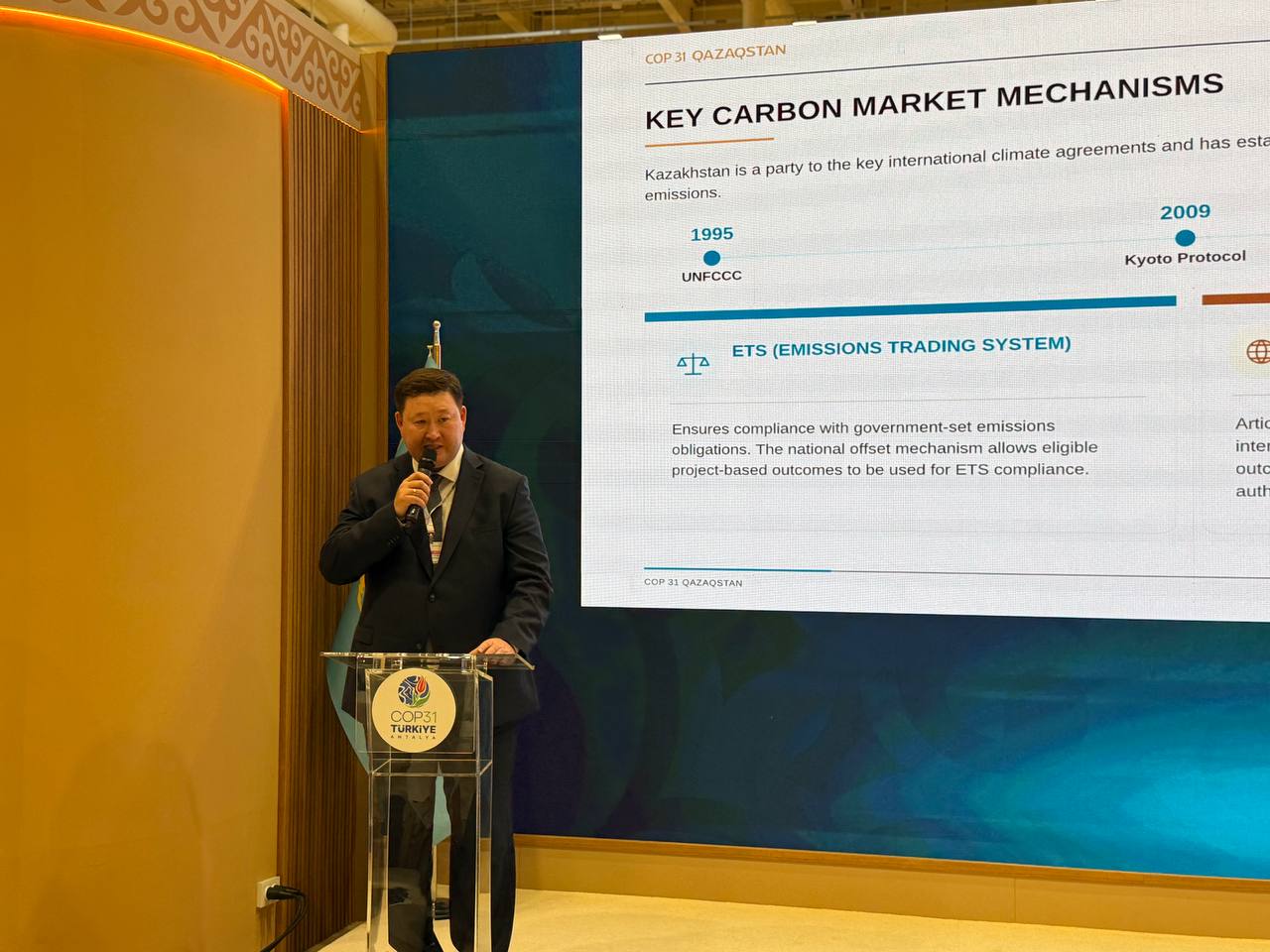
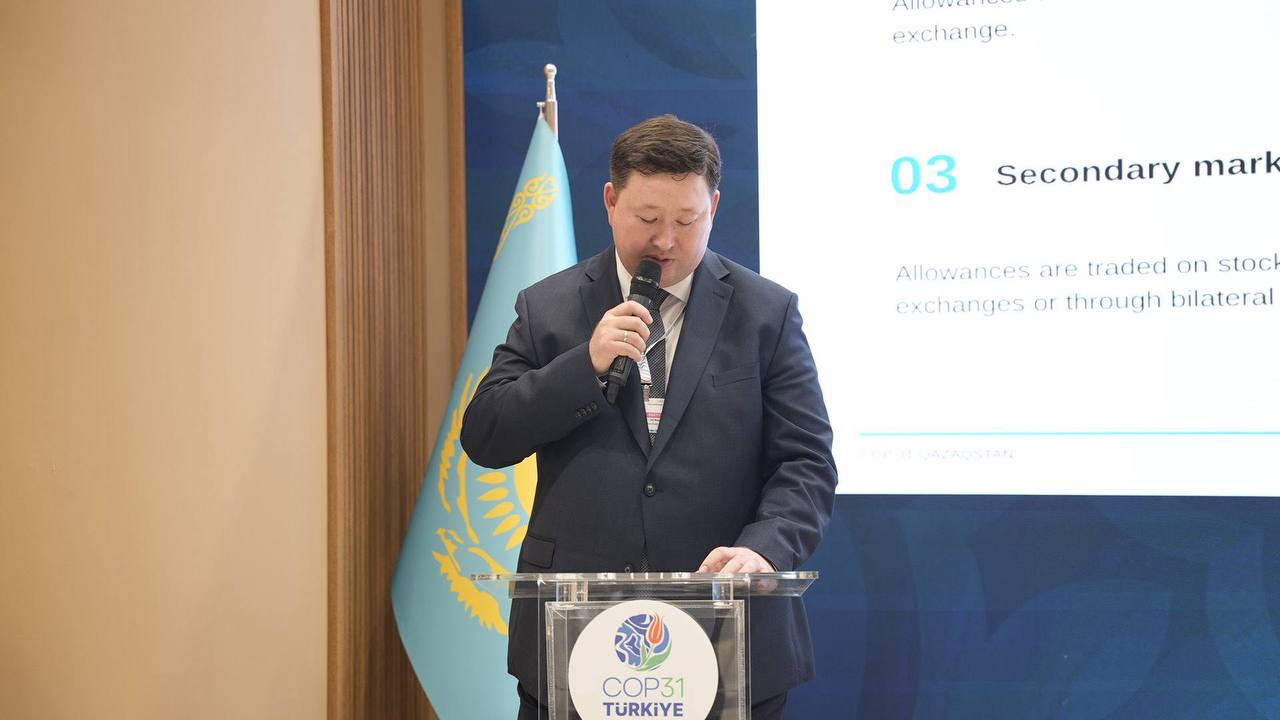
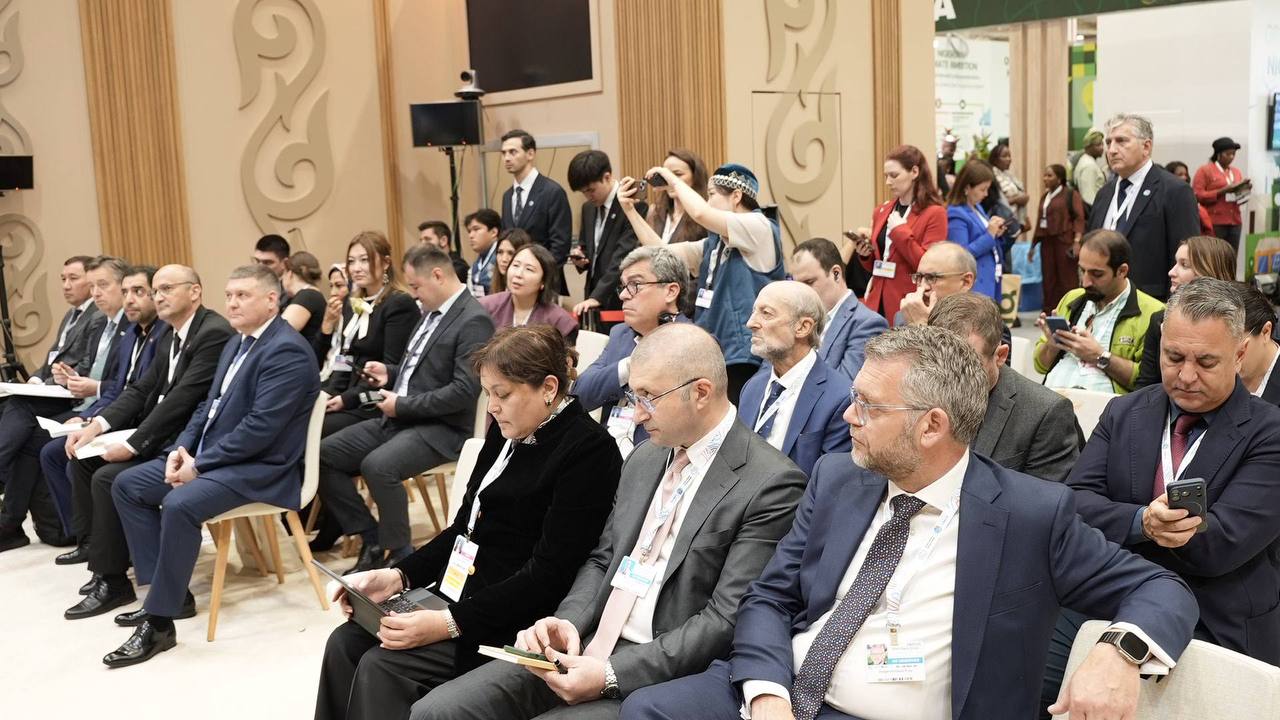
In Antalya, Türkiye, as part of the COP31 climate conference, Yerzhan Sarsenbayev, Chairman of the Management Board of JSC Zhasyl Damu, spoke at the panel session “Kazakhstan’s Carbon Market: From National Mechanisms to International Cooperation.” His presentation focused on the existing greenhouse gas emissions trading system, carbon offsets, and prospects for international cooperation.
Kazakhstan’s national emissions trading system has been operating since 2013 and currently covers 145 enterprises and 234 installations subject to emissions quotas. According to the approved parameters, the portion of the country’s carbon budget subject to emissions quotas will decrease from 163.6 million tonnes of CO₂ in 2026 to 148.1 million tonnes by 2030.
Kazakhstan is also developing its carbon offset mechanism. To date, 61 projects have been reviewed, with 37 projects demonstrating verified results in reducing greenhouse gas emissions or increasing greenhouse gas removals. The total approved volume of carbon offset units amounts to approximately 10 million tonnes of CO₂.
Within the national system, JSC Zhasyl Damu provides technical and expert support for the carbon market. The State Carbon Cadastre and the State Registry of Carbon Units ensure emissions accounting and the traceability of transactions.
International cooperation under Article 6 of the Paris Agreement was another key topic of discussion. Promising areas of cooperation include methane emissions reduction, the introduction of low-carbon technologies, reforestation, and the restoration of degraded lands.
“International cooperation should contribute to tangible emissions reductions and informed investment decisions. This is how we can connect national mechanisms with international opportunities,” the Chairman of the Management Board emphasized.
 EcoQolday
 Check payment
 Login to the system
