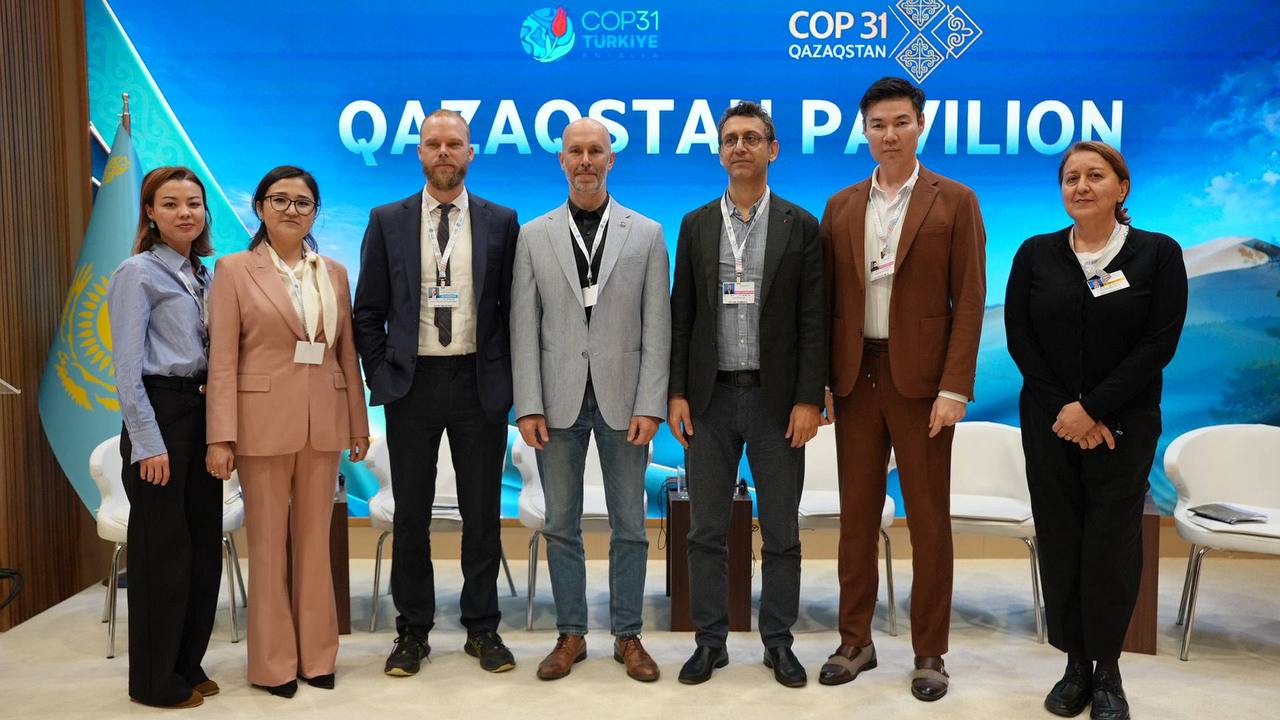
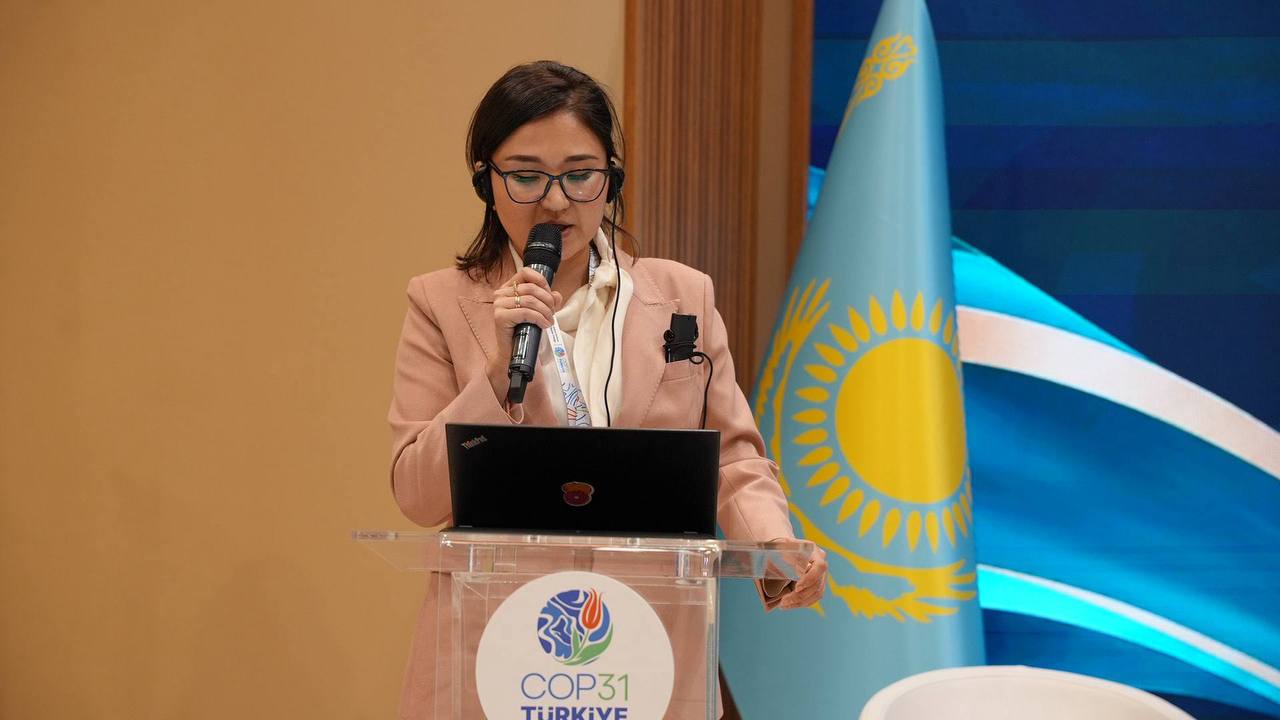
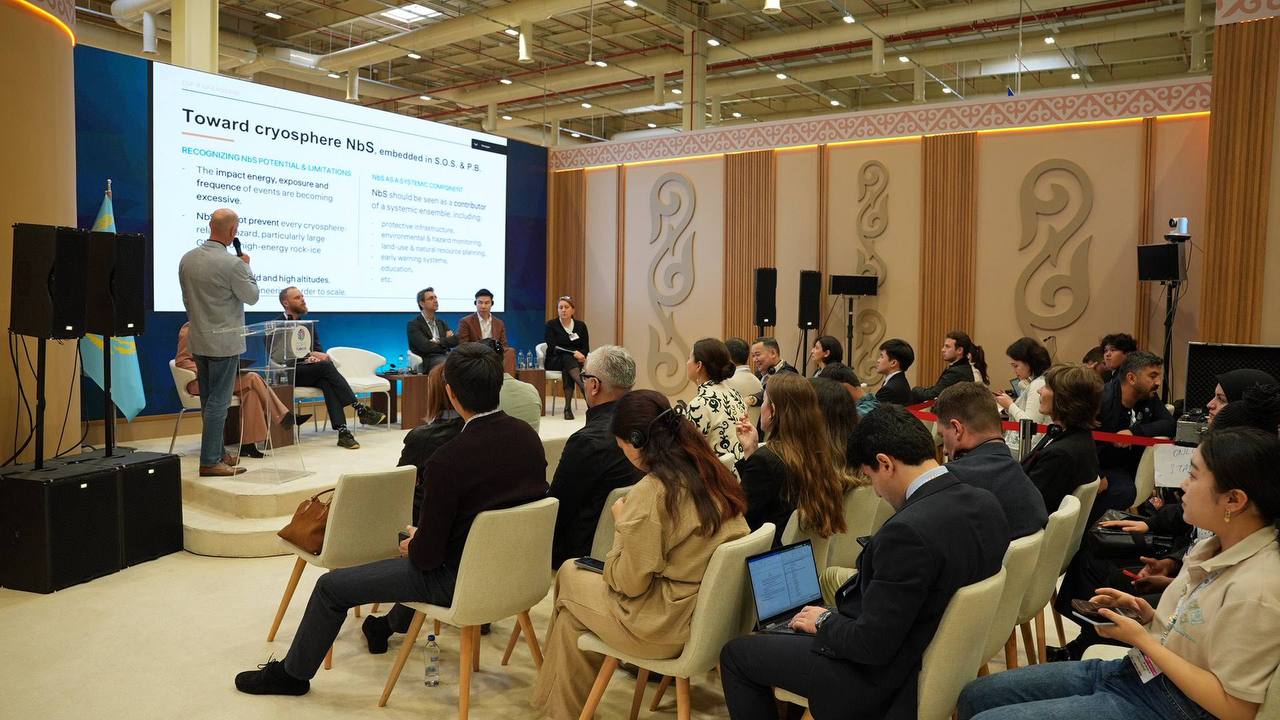
An international session titled “Nature as Infrastructure for Adaptation: Innovative and Nature-Based Solutions” was held at Kazakhstan’s National Pavilion during the COP31 climate conference in Antalya, Türkiye. Organized by Zhasyl Damu JSC, the event brought together representatives of international organizations, the scientific community, and environmental initiatives to discuss practical approaches to climate change adaptation and strengthening the resilience of natural ecosystems. The session was moderated by Dana Kassenova, Director of Sectoral Competencies Department 2 at Zhasyl Damu JSC.
The discussions focused on solutions that harness natural ecosystems as a foundation for climate resilience. Experts explored issues related to water resource conservation, restoration of mountain ecosystems, the application of artificial glacier technologies, and the integration of natural processes with modern engineering and digital technologies.
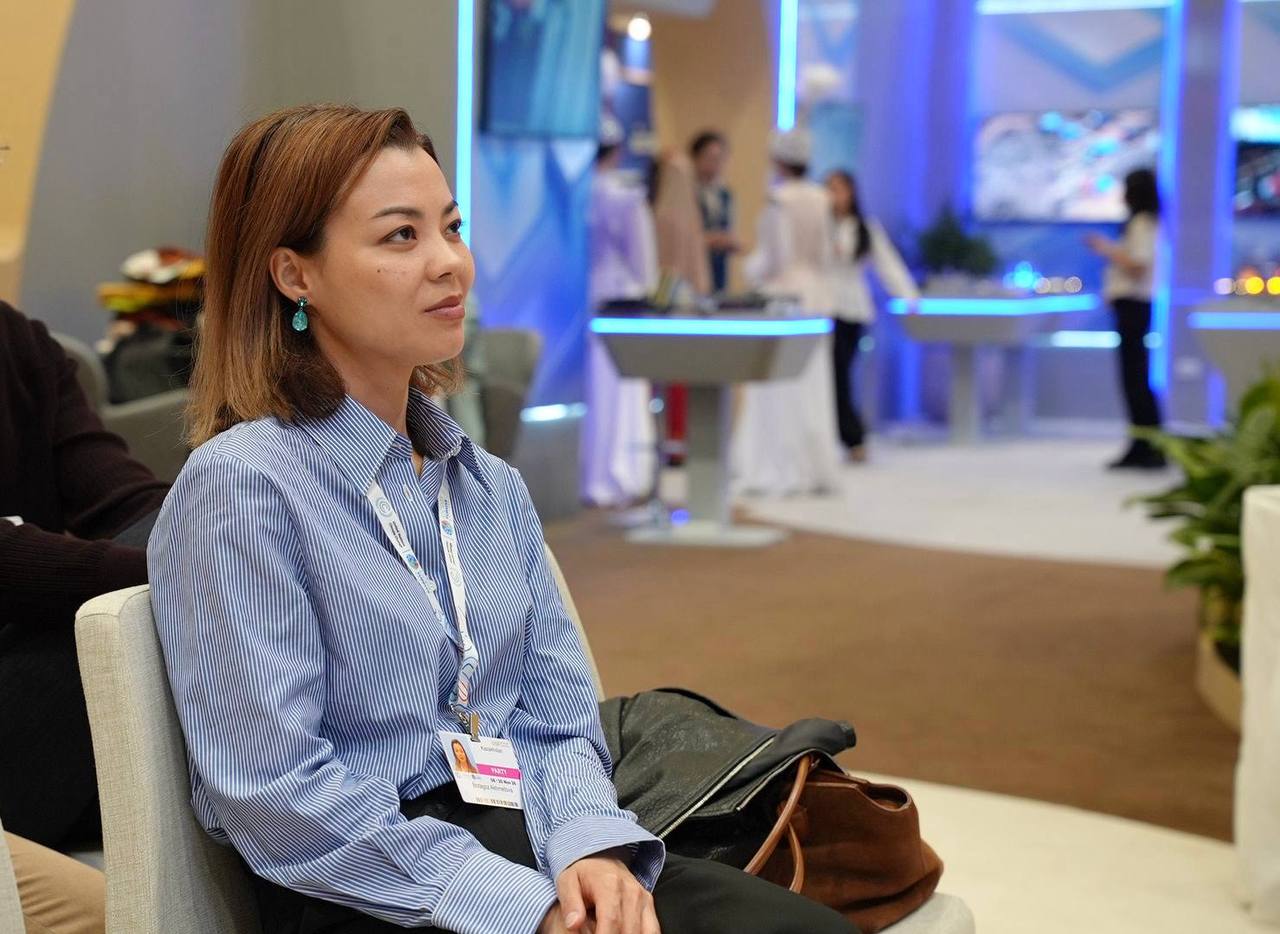
Opening the session, Botagoz Akhmetova, Managing Director of Zhasyl Damu JSC, highlighted the importance of nature-based solutions for Kazakhstan amid increasing droughts, land degradation, and desertification. She emphasized the need to restore forests, pastures, and vegetation on the dried seabed of the Aral Sea, as well as to introduce reliable monitoring systems and attract climate finance to support the implementation of such projects.
Saulet Sakenov, Climate Projects Analyst at the United Nations Development Programme (UNDP), presented ongoing work on the development of Kazakhstan’s first National Adaptation Plan. Jeremy Schlickenrieder, a representative of the Food and Agriculture Organization of the United Nations (FAO), shared experience in implementing adaptation projects in mountainous regions. Denis Samin, a cryosphere researcher at the University of Central Asia, discussed scientific approaches to glacier research and the application of nature-based solutions.
International experience was also presented by Yusuf Serengil, Professor at Istanbul University-Cerrahpaşa. His presentation focused on the TERRA project, which aims to reduce disaster risks and strengthen Türkiye’s climate resilience through nature-based solutions.
Particular attention was given to practical ecosystem restoration initiatives. Saginbek Shunkeyev, CEO of the Halyk Charitable Foundation, presented the Halyk Ormany initiative, aimed at restoring forests and preserving Kazakhstan’s natural heritage. Gulshan Akhundova, Chairperson of the Future Public Association from Azerbaijan, addressed issues related to water balance and water resource management in her country.
During the discussion, participants explored opportunities to apply international experience in Kazakhstan and across Central Asia, strengthen scientific cooperation, and implement joint pilot projects. Special attention was paid to scaling up nature-based solutions, including the introduction of effective monitoring mechanisms, climate risk assessments, and the mobilization of financing.
The international session formed part of Zhasyl Damu JSC’s ongoing efforts to strengthen cooperation in climate policy and sustainable natural resource management. The exchange of scientific knowledge and practical experience creates additional opportunities for implementing nature-based solutions aimed at preserving ecosystems and enhancing regional resilience to the impacts of climate change.

 EcoQolday
 Check payment
 Login to the system

 share