 share
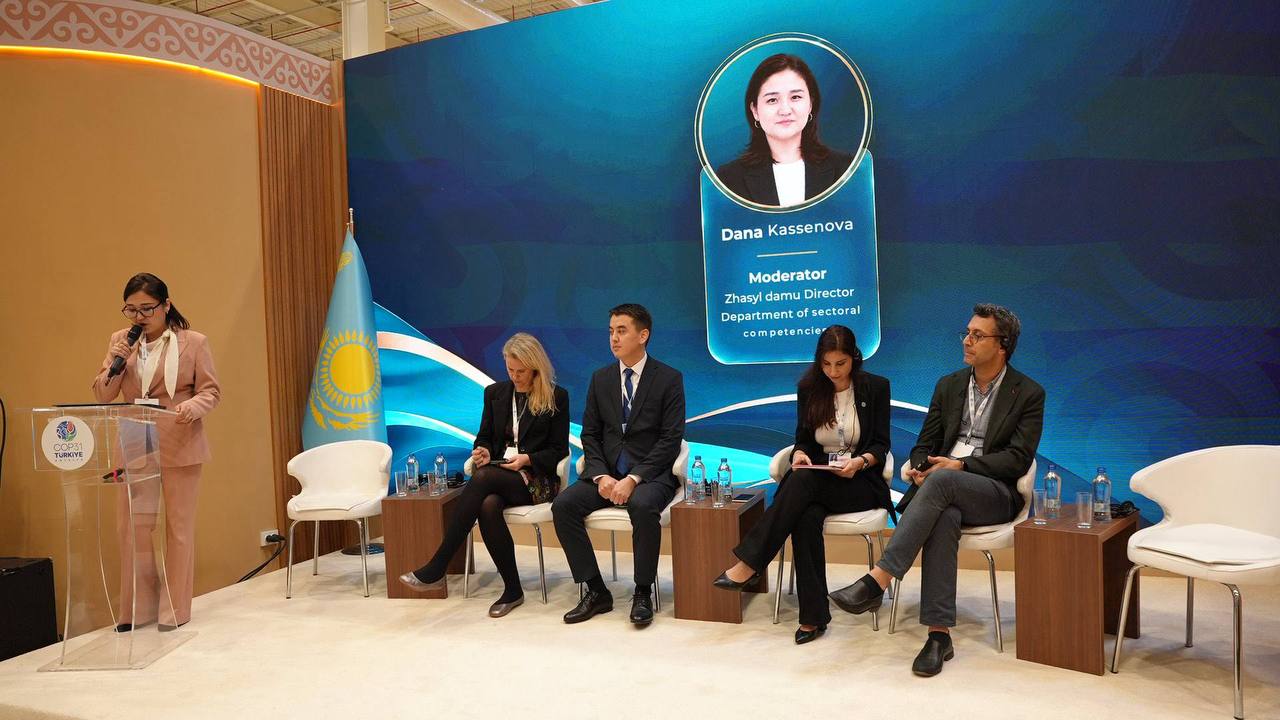
On November 17, an international session titled “Forest and Steppe Fires, Degradation and Restoration of Forests and Steppes” was held at the Kazakhstan National Pavilion during the COP31 climate conference in Antalya, Türkiye. Organized by Zhasyl Damu JSC, the event brought together representatives of government agencies, international organizations and the scientific community to exchange experience in wildfire prevention, protection of forest and steppe areas, and restoration of affected ecosystems.
The participants focused on modern monitoring and early warning systems, improving wildfire response mechanisms and applying nature-based solutions. The discussions also addressed land degradation, restoration of natural landscapes and strengthening their resilience to the impacts of climate change.
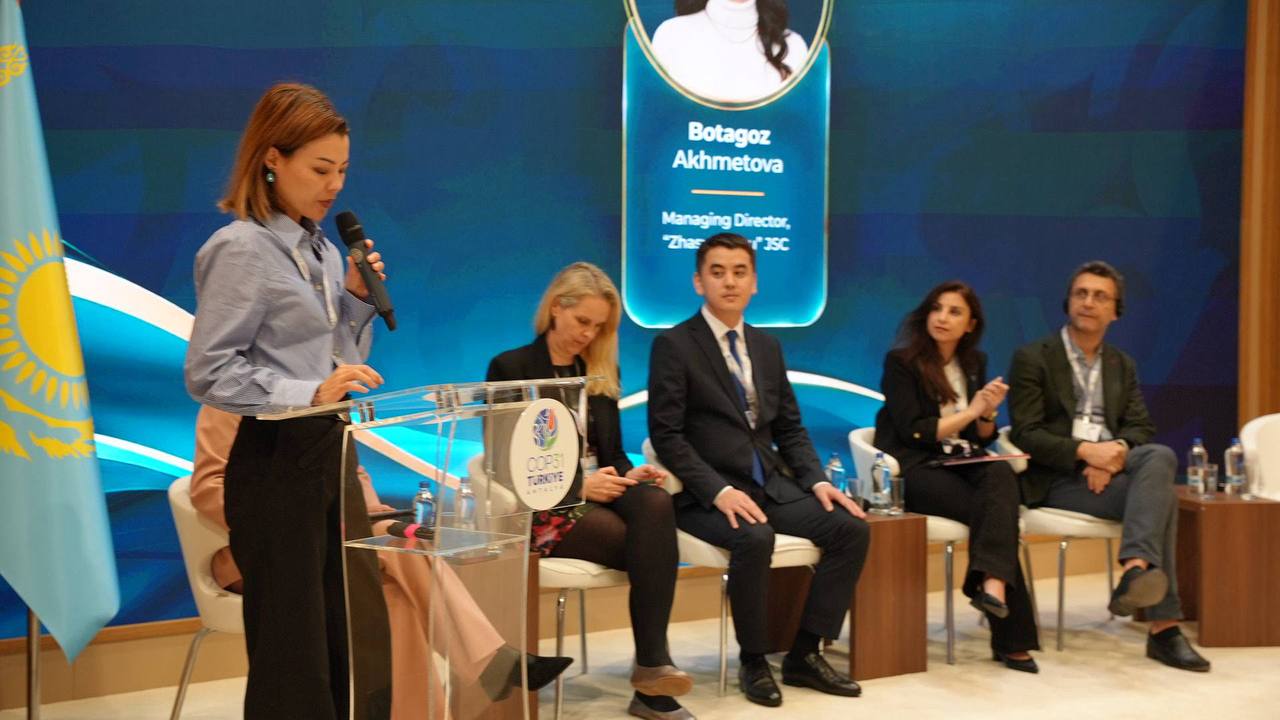
Botagoz Akhmetova, Managing Director of Zhasyl Damu JSC, delivered the opening remarks. She emphasized that rising temperatures and prolonged droughts require a comprehensive approach to protecting natural areas, combining wildfire prevention, advanced monitoring technologies and science-based ecosystem restoration. Particular importance was attached to assessing long-term environmental outcomes, including the capacity of forest and steppe ecosystems to store and absorb carbon.
Amy Duchelle, Senior Forestry Officer at the FAO Global Fire Management Hub, presented international experience in wildfire management. Her presentation explored approaches to reducing wildfire risks and opportunities for strengthening international cooperation in this field.
Kazakhstan's experience in forest protection was presented by Niyaz Zholbarys, Head of the Department of State Control, Forest Conservation and Protection at the Forestry and Wildlife Committee of the Ministry of Ecology and Natural Resources of the Republic of Kazakhstan. His presentation focused on protecting the country's forest resources, preventing fires and improving the effectiveness of wildfire prevention measures.
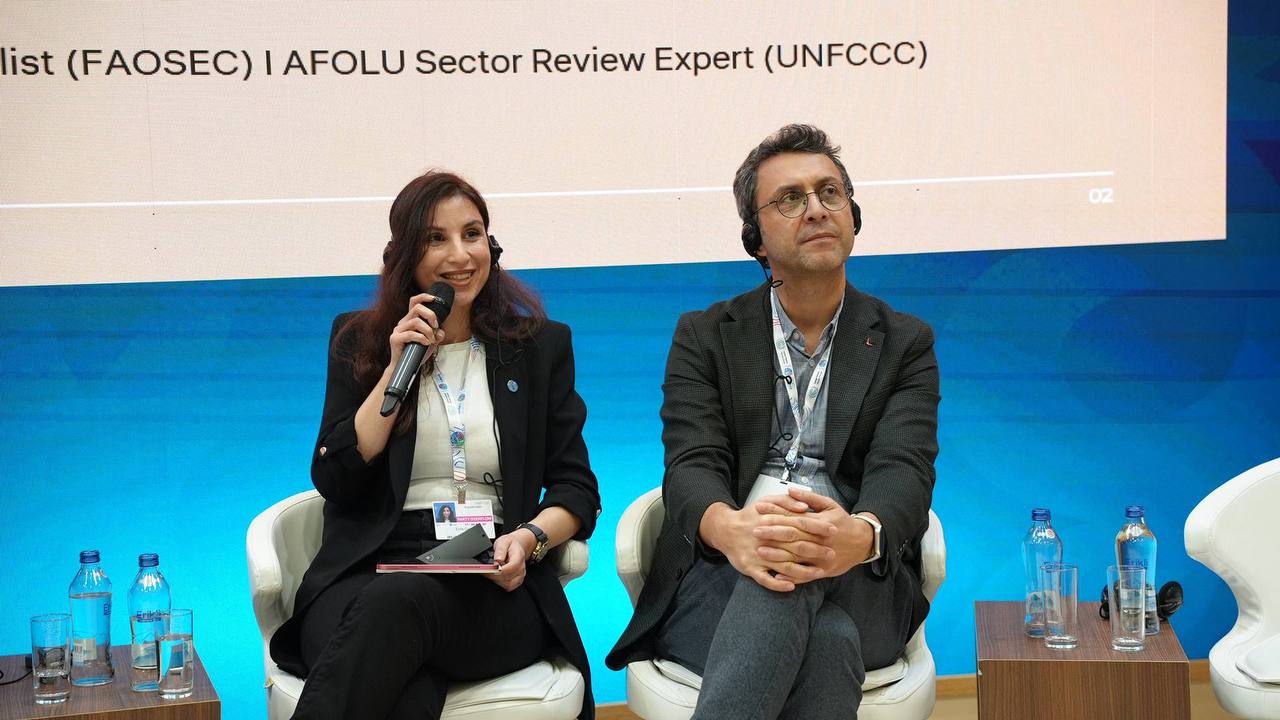
A separate part of the discussion was devoted to adapting natural ecosystems to climate change. Erda Çeler, Climate Change and Watershed Management Specialist at the FAO Subregional Office for Central Asia, introduced participants to international project priorities related to climate adaptation and sustainable management of natural areas.
Professor Yusuf Serengil of Istanbul University-Cerrahpaşa shared experience from the Mediterranean region. Using the MEDFIREWISE initiative as an example, he highlighted the application of nature-based solutions to reduce wildfire risks and strengthen landscape resilience to climate-related threats.
Another key topic was the transition from early detection of wildfire risks to timely practical action. Bill Ho, Head of the Climate Governance and Resilience Programme at the Asian Disaster Preparedness Center (ADPC), who joined the session online, presented approaches to wildfire risk management within integrated multi-hazard early warning systems in Asian countries.
The session was moderated by Dana Kasenova, Director of Sectoral Competencies Department 2 at Zhasyl Damu JSC. During the concluding discussion, participants explored opportunities to apply international experience in Kazakhstan, including the development of early warning systems, improved interagency coordination and greater involvement of local communities in wildfire prevention and the restoration of natural areas.
The session concluded by emphasizing the importance of coordinated efforts among government agencies, the scientific community and international organizations. The exchange of experience helped identify promising areas for future cooperation in wildfire prevention, restoration of degraded ecosystems and strengthening the resilience of forest and steppe landscapes to climate change.

 EcoQolday
 Check payment
 Login to the system
