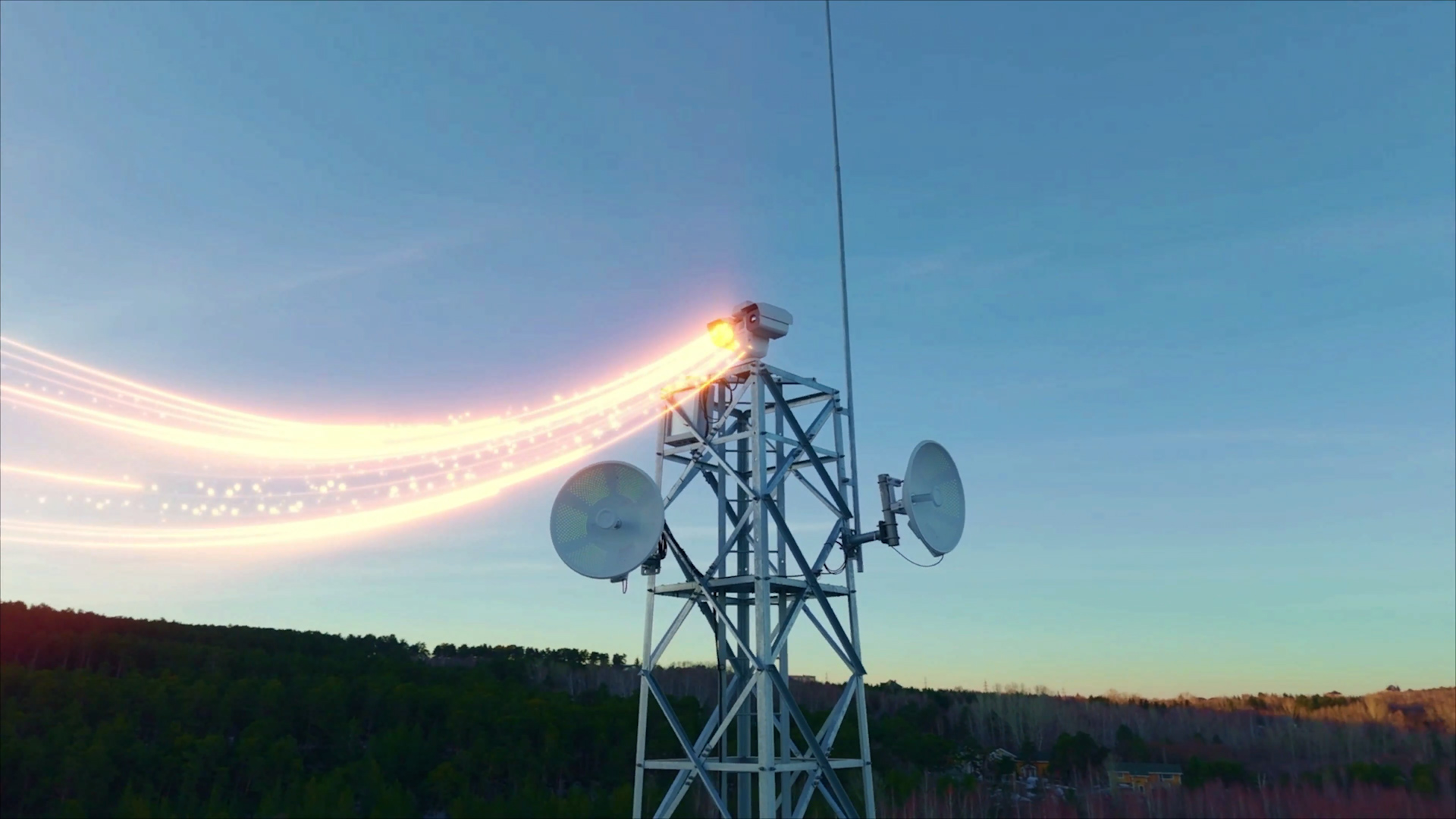
Modern Early Forest Fire Detection Systems (EFDS-1) help monitor forests and protected natural areas around the clock. They automatically detect the first signs of fire and promptly transmit information to emergency services, enabling a rapid response at the earliest stage.
Video surveillance, artificial intelligence, unmanned aerial vehicles (drones), and advanced communication technologies help identify fires before they spread, reducing response time and minimizing the risk of large-scale damage.
This is especially important for Kazakhstan, where forest restoration takes decades. Modern technologies have therefore become one of the key tools for preserving the country's natural heritage.
As part of the "Taza Kazakhstan" environmental initiative of the President of the Republic of Kazakhstan, and with the support of the Ministry of Ecology and Natural Resources of the Republic of Kazakhstan, Zhasyl Damu JSC has allocated KZT 16.9 billion from the utilization fee to strengthen the protection of the country's forest fund, state protected natural areas, and national parks against wildfires.
Today, 14 Early Fire Detection Systems (EFDS-1) are operating in the Akmola, Kostanay, Karaganda, Pavlodar, Almaty, Turkistan, and East Kazakhstan regions, helping detect wildfires at an early stage and significantly improving the fire safety of Kazakhstan's natural areas.


 EcoQolday
 Check payment
 Login to the system

 share
share